

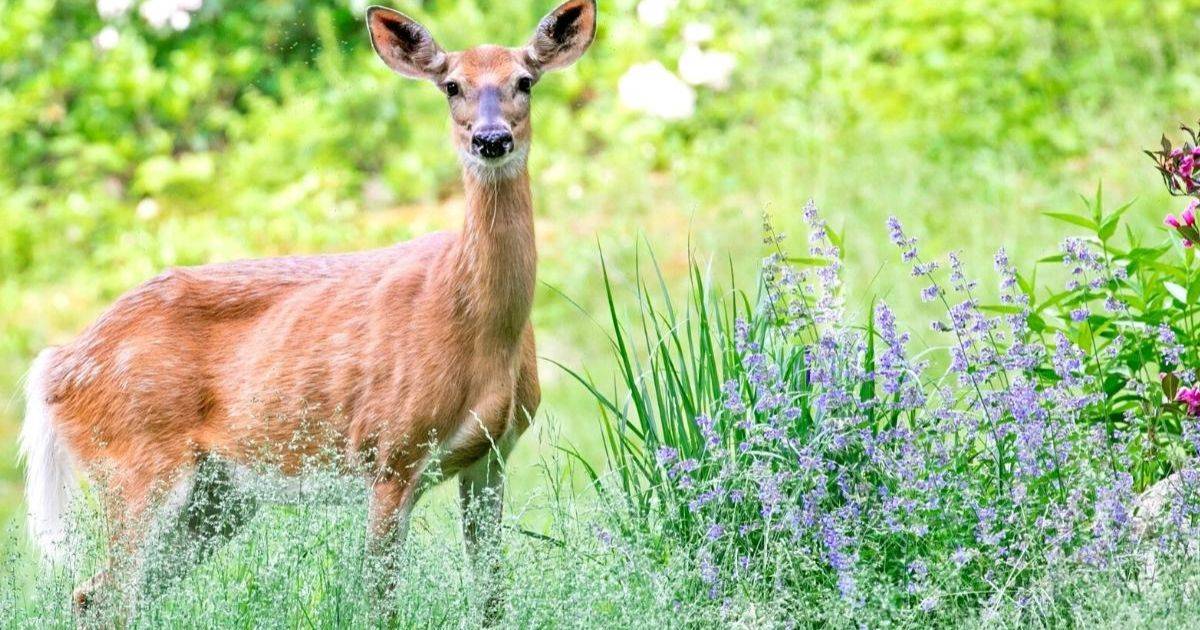
Dusty Miller Senecio cineraria is a popular ornamental plant known for its silvery-gray foliage and striking texture in gardens. Many gardeners wonder whether this plant is deer-resistant, as deer can be a persistent problem in landscapes. Dusty Miller’s dense, woolly leaves and slightly bitter taste make it less appealing to deer compared to other garden plants.
While no plant is completely deer-proof, Dusty Miller is often recommended for areas where deer browsing is common. Its resilience, low maintenance, and aesthetic appeal make it a practical choice for adding color and texture without attracting unwanted wildlife.
What Is Dusty Miller?
A common decorative plant, dusty miller is renowned for its eye-catching silvery-gray foliage and soft, velvety texture. Scientifically called Jacobaea maritima (formerly Senecio cineraria), it is frequently cultivated in gardens for its attractive leaves rather than its small yellow flowers. This drought-tolerant plant thrives in full sun and well-drained soil, making it ideal for borders, containers, and flower beds.
Dusty Miller is often used to create contrast alongside brightly colored blooms. Its hardy nature and unique appearance make it a favorite choice for gardeners seeking low-maintenance, eye-catching landscape dusty miller deer resistant plants.
Key Features:
- Velvety, silver foliage
- Compact, bushy growth habit
- Drought tolerance once established
- Grows well in full sun
- Often treated as an annual in cooler climates
Gardeners love Dusty Miller because it pairs beautifully with bold blooms like petunias, marigolds, and salvias.
Is Dusty Miller Deer Resistant?
 Dusty Miller is widely considered deer-resistant, making it a wise choice for gardens in areas with heavy wildlife pressure. Its soft, silvery-gray foliage has a fuzzy texture and a slightly bitter taste that deer typically avoid. While no plant is completely deer-proof—especially when food is scarce Dusty Miller is rarely a preferred option. This hardy ornamental thrives in full sun and well-drained soil, adding striking contrast to flower beds, borders, and containers.
Because deer tend to bypass it in favor of more tender plants, Dusty Miller is often used as a protective edging plant to help reduce browsing damage in landscaped do deer eat rosemary plants gardens.
The Simple Answer: Yes, Mostly.
Dusty Miller is highly deer-resistant, but not completely immune. Deer tend to avoid it because:
- Strong fragrance – The leaves have a subtle scent that deer dislike.
- Fuzzy texture – The soft, felt-like foliage is unappealing to deer.
- Bitter taste – Many silver-leaved plants contain compounds that deer avoid.
- Non-tender foliage – It’s not juicy or succulent.
However, during extreme hunger or Drought, deer may nibble almost any plant—including Dusty Miller.
Why Deer Avoid Certain Plants
 Deer are selective feeders and tend to avoid certain plants due to taste, smell, texture, and natural chemical defenses. Many plants produce strong scents, bitter flavors, or toxic compounds that make them unappealing or even harmful to deer. For example, herbs like lavender and rosemary contain aromatic oils that deter browsing. Plants with fuzzy, thorny, or challenging leaves are also less attractive because they are do deer eat mondo grass difficult to chew and digest.
Additionally, deer often learn from experience and avoid plants that previously caused discomfort. Seasonal food availability and local browsing pressure also influence their choices, leading them to favor tender, nutrient-rich growth over resistant is mondo grass deer resistant varieties.
How Deer-Resistant Is Dusty Miller Compared to Other Plants?
Dusty Miller is considered highly deer-resistant compared to many common garden plants. Its silvery-gray foliage has a fuzzy texture and a strong scent that deer typically avoid. While no plant is completely deer-proof—especially when food is scarce—Dusty Miller is far less appealing than tender ornamentals like hostas or daylilies. In contrast to soft, lush greenery that attracts browsing, its tough leaves and aromatic qualities act as natural deterrents.
Gardeners often use Dusty Miller as a border or companion plant to help protect more vulnerable flowers. Overall, it ranks among the more reliable deer-resistant choices for landscapes in areas with frequent deer do deer eat dusty miller activity.
Does Location Affect Deer Damage?
Yes. Deer pressure varies by region.
- Rural areas: Higher browsing pressure.
- Suburban areas: Moderate damage.
- Urban gardens: Lower risk.
Even in areas with common deer, resistant plants may still experience occasional browsing.
Growing Dusty Miller Successfully
Growing Dusty Miller successfully is simple when you understand its basic needs. Known for its soft, silvery-gray foliage, Dusty Miller thrives in full sunlight and well-drained soil. This drought-tolerant plant performs best in warm climates and requires minimal watering once established. Overwatering can cause root rot, so allow the soil to dry between waterings. It adapts well to garden beds, borders, and containers, making it a versatile choice for are dusty miller deer resistant landscapes.
Occasional pruning helps maintain a compact, bushy shape and encourages healthy growth. With proper care, Dusty Miller adds striking contrast and texture to flower gardens throughout the growing season.
Sunlight Requirements
Sunlight is essential for plant growth, powering photosynthesis and influencing overall health. Different plants have varying light needs: full sun (6–8 hours daily) suits most vegetables and flowering plants, while partial-sun or shade-loving plants thrive with 3–6 hours of filtered light. Observing your plant’s leaf color, growth, and flowering can indicate if it receives adequate sunlight. Proper placement, seasonal adjustments, and understanding each species’ light tolerance ensure robust growth, higher yields, and is holly deer resistant vibrant foliage, helping your garden flourish naturally.
Soil Conditions
Soil Conditions refer to the physical, chemical, and biological characteristics of soil that influence plant growth and agricultural productivity. Key factors include texture, structure, pH level, nutrient content, moisture, and organic matter. Well-drained, fertile soil with balanced nutrients promotes healthy root development and high crop yields, while poor soil conditions can limit growth and increase susceptibility to disease. Understanding and managing soil conditions through practices like testing, fertilization, composting, and irrigation helps farmers optimize productivity, sustain soil health, and ensure long-term agricultural deer safe flowers success.
Watering
- Water regularly until established.
- After that, it becomes drought-tolerant.
- Avoid overwatering.
Fertilization
Minimal feeding is required. Over-fertilizing may reduce its silvery appearance.
Planting Dusty Miller in Deer-Prone Gardens
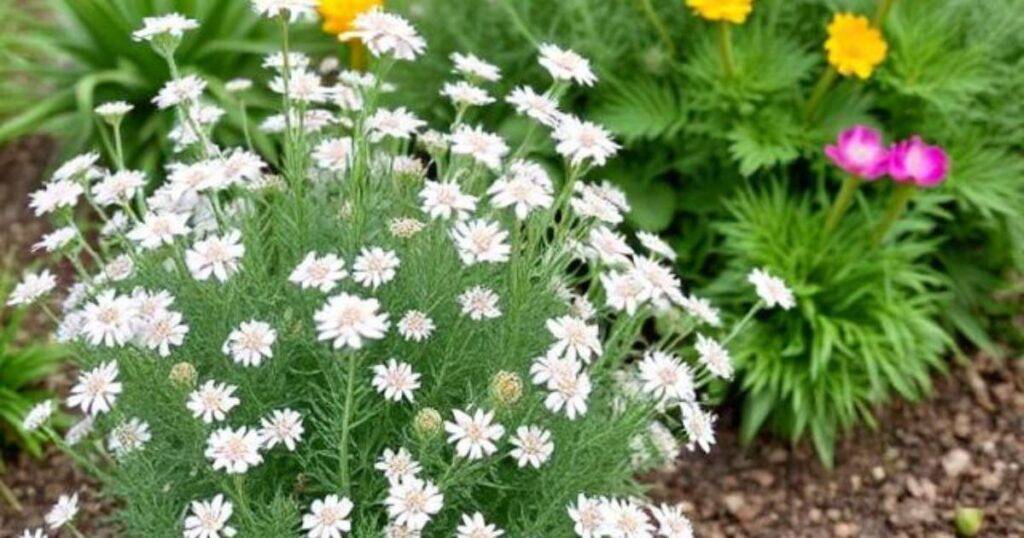 Planting Dusty Miller in deer-prone gardens is a wise choice for low-maintenance, resilient landscaping. Known for its silvery-gray foliage and soft, velvety texture, Dusty Miller naturally deters deer due to its slightly bitter taste and fuzzy leaves. This hardy ornamental plant grows best in full sun and well-draining soil, so it’s perfect for borders, containers, and mixed flower beds. It pairs beautifully with colorful blooms, adding contrast and visual interest throughout the growing season.
Drought-tolerant and easy to care for, Dusty Miller requires minimal watering once established. For gardeners facing frequent deer visits, this plant offers beauty, durability, and dependable resistance in challenging outdoor most deer resistant flowers spaces.
Use Companion Planting
Pair Dusty Miller with other deer-resistant plants like:
- Lavender
- Salvia
- Rosemary
- Russian sage
A cluster of resistant plants is more effective than a single specimen.
Create Layered Planting
Place less-resistant plants closer to your home and surround them with resistant plants, such as Dusty will deer eat vinca flowers are vinca deer resistant Miller.
Seasonal Behavior of Deer
Deer feeding habits change throughout the year:
- Spring: Fresh growth attracts deer.
- Summer: Ample food reduces browsing.
- Fall: Moderate feeding.
- Winter: Increased browsing due to scarcity.
Dusty Miller is most vulnerable in early spring when new growth appears.
Common Garden Uses for Dusty Miller
Dusty Miller (Jacobaea maritima) is a versatile ornamental plant prized for its silvery-gray foliage and delicate texture. Gardeners often use it as a striking border or edging plant, creating contrast with brightly colored flowers like petunias, marigolds, or salvias. Its compact growth habit makes it ideal for container gardens, window boxes, and hanging baskets, adding year-round visual interest.
Dusty Miller also works well in mass plantings, providing a soft, muted backdrop that highlights other garden features. Because of its resistance to dryness and its minimal upkeep needs, it’s perfect for both formal and cottage-style gardens, offering beauty with minimal care.
Borders and Edging
Borders and Edgings enhance gardens, landscapes, and pathways by providing structure, definition, and aesthetic appeal. They can be built out of wood, stone, or brick. metal, or plastic, creating clear separations between lawns, flower beds, and walkways. Beyond visual beauty, they help prevent soil erosion, control weeds, and guide foot traffic. Available in various styles—curved, straight, or decorative—borders and edgings allow gardeners to design organized, polished, and functional outdoor spaces that elevate both form and function.
Container Gardening
Dusty Miller pairs beautifully with:
- Red geraniums
- Purple petunias
- Blue lobelia
Does Dusty Miller Bloom?
Yes, though it’s primarily grown for foliage. It produces small yellow flowers, but many gardeners remove them to maintain a compact deer proof annuals flowers growth habit.
How to Propagate Dusty Miller
Propagating Dusty Miller (Senecio cineraria) is rewarding and straightforward, perfect for adding silvery foliage to gardens or containers. Begin by selecting healthy, mature stems, ideally 4–6 inches long. Using clean, sharp scissors, cut just below a leaf node, then remove lower leaves to expose a few inches of stem. Allow the cuttings to dry for a day to form a callus, reducing the risk of rot.
Plant in well-draining soil or a sandy mix, keeping it lightly moist but not soggy. Place in bright, indirect light and maintain moderate temperatures. Roots typically develop within 2–3 weeks, after which cuttings can be transplanted and deer resistant flowering annuals enjoyed.
From Seeds
- Start indoors 8–10 weeks before the last frost.
- Germination takes 10–15 days.
From Cuttings
- Take softwood cuttings in late spring.
- Root in well-draining medium.
Maintenance Tips
- Pinch back leggy growth.
- Remove flowers for bushier foliage.
- Ensure good air circulation.
Minimal care makes it ideal for beginner gardeners.
Additional Deer Protection Strategies
 Protecting your garden or crops from deer requires more than just fundamental barriers. Additional deer protection strategies include using natural repellents such as garlic, hot pepper sprays, or predator urine to discourage browsing. Motion-activated devices, like sprinklers or lights, can startle deer and keep them away. Planting deer-resistant species around the perimeter creates a natural buffer, while using netting or mesh over vulnerable plants adds an extra layer of defense.
Regularly rotating these strategies prevents deer from becoming accustomed to any single method. Combining multiple approaches increases effectiveness, helping safeguard your plants and ensuring a thriving, deer-free garden or farm environment throughout the growing season.
Fencing
- 6–8 feet tall for effective exclusion.
Deer Repellents
- Commercial sprays
- Homemade garlic sprays
Motion Sprinklers
Startle devices reduce browsing.
Scent Barriers
- Soap bars
- Human hair
- Predator urine products
Use multiple methods for best results.
Why Silver Plants Are Often Deer Resistant
Silver plants are often deer-resistant due to their unique foliage characteristics. The silvery or gray-green leaves typically have a dense layer of fine hairs, waxy coatings, or aromatic oils that make them less palatable and sometimes irritating to deer. These textures reflect sunlight, reduce moisture loss, and can create a bitter or pungent taste, discouraging browsing.
Many silver-leafed plants, such as lavender, sage, and artemisia, also emit strong scents that deer tend to avoid. While no plant is completely deer-proof, silver plants’ combination of visual, tactile, and aromatic defenses makes them a wise choice for gardeners seeking low-maintenance, wildlife-tolerant landscaping.
Is Dusty Miller Toxic to Deer?
Dusty Miller contains compounds that may irritate or taste unpleasant to animals. While not highly toxic, it’s generally avoided.
Landscaping Ideas with Dusty Miller
 Dusty Miller, with its striking silvery-gray foliage, is a versatile plant that adds elegance and contrast to any garden landscape. Perfect for borders, pathways, or container arrangements, it pairs beautifully with vibrant blooms like petunias, marigolds, and salvias, highlighting their colors with its soft, muted tones. Its low-maintenance nature and drought tolerance make it ideal for both beginner and experienced gardeners.
Use Dusty Miller to create a calming monochromatic garden, accent focal points, or soften hardscape elements such as stone and brick. Its unique texture and color can transform ordinary garden spaces into sophisticated, visually dynamic landscapes, offering year-round charm and subtle sophistication.
Cottage Garden
The cottage garden is a popular, comfortable, and informal garden style. blends beauty and practicality. Traditionally found around rural homes, it features a mix of flowers, herbs, vegetables, and climbing plants arranged in a seemingly casual yet harmonious way. Known for its dense plantings, vibrant colors, and natural textures, the cottage garden evokes a nostalgic, cozy atmosphere. Its design encourages biodiversity, attracting bees, butterflies, and birds, making it both visually appealing and ecologically beneficial—a perfect blend of function and timeless charm.
Pros and Cons of Growing Dusty Miller
Dusty Miller (Jacobaea maritima) is a striking ornamental plant known for its silvery-gray, lacy foliage that adds texture and contrast to gardens and containers. One significant advantage of growing Dusty Miller is its drought tolerance and low maintenance needs, making it ideal for sunny borders and mixed plantings. Its foliage remains attractive throughout the season, providing year-round interest in mild climates.
On the downside, Dusty Miller is sensitive to overwatering and poorly drained soil, which can lead to root rot. Additionally, it is primarily grown for foliage rather than flowers, so it may lack vibrant blooms that some gardeners prefer for color emphasis.
Pros
- ✔ Highly deer resistant
- ✔ Drought-tolerant
- ✔ Low maintenance
- ✔ Excellent contrast plant
- ✔ Rabbit resistant
Cons
- ✘ Not completely deer-proof
- ✘ Can become leggy without trimming
- ✘ Sensitive to soggy soil
Conclusion:
In conclusion, dusty miller (Senecio cineraria) is widely regarded as deer-resistant, making it a reliable choice for gardeners in areas with frequent deer activity. Its silvery, textured foliage and slightly bitter taste discourage deer from browsing, helping protect both its aesthetic appeal and surrounding plants. While no plant is completely deer-proof, dusty miller consistently proves less attractive to deer compared to more tender, sweet-tasting species.
Combining it with other deer-resistant plants can further reduce the risk of damage, making dusty miller an excellent addition to low-maintenance, wildlife-conscious gardens seeking both beauty and resilience.
FAQ:
Is Dusty Miller Naturally Deer-Resistant?
Yes, Dusty Miller (Senecio cineraria) is considered moderately deer resistant. Its silvery, fuzzy leaves have a bitter taste and texture that deer typically avoid.
Will Deer ever eat Dusty Miller?
While usually avoided, hungry deer might nibble on Dusty Miller during extreme food shortages. Its resistance is not absolute.
How can I Increase Dusty Miller’s deer Resistance?
Plant it alongside other deer-resistant plants, use repellents, or place barriers like fencing for added protection.
Are there Alternatives to Dusty Miller for deer-prone Areas?
Yes, other deer-resistant plants include Lavender, Russian Sage, and Yarrow, which also deter deer effectively.
Does Dusty Miller Require Special care in deer-prone Gardens?
Dusty Miller is low-maintenance. Keeping it healthy and well-spaced further discourages deer, as dense, vibrant plants are less appealing to them.
