


Grain marketing can feel like a gamble. Prices move daily, weather shifts production forecasts overnight, and global politics can shake markets in minutes. Many farmers hold their grain hoping for a price rally only to watch the market fall.That’s why more successful producers are adopting a more innovative, lower-risk strategy: selling early and often.
Instead of trying to “hit the top,” this method spreads sales across time, reduces emotional decision-making, and improves long-term profitability. In this in-depth guide, we’ll explore how selling early and often can strengthen your grain marketing strategy and stabilize your farm income.
What Does “Selling Early and Often” Mean?
Selling early and often” is a business strategy wheat price news today that encourages entrepreneurs to start promoting and selling their product or service as soon as possible—usually before it is fully perfected. Instead of waiting for a flawless launch, businesses introduce a minimum viable product (MVP), gather customer feedback, and improve continuously. This approach reduces risk, validates market demand, and generates early wheat prices news today cash flow.
It also helps build brand awareness and customer relationships from the beginning. Common in startups and lean business models, selling early and often focuses on learning through fundamental customer interactions rather than relying solely on planning or assumptions before entering the How Can Selling Early and Often Improve Your Grain Marketing Strategy market for wheat market.
Why Grain Markets Are So Volatile
 Grain markets are highly volatile because multiple unpredictable factors influence them. Weather events, including storms, floods, and droughts, can quickly reduce crop yields, causing supply shortages and price spikes. Global demand also shifts due to population growth, livestock feed needs, and biofuel production. International trade policies, export bans, and geopolitical conflicts can disrupt supply chains overnight—currency fluctuations and rising transportation or fertilizer costs further impact wheat markets today prices.
Speculation in commodity futures markets can amplify short-term price swings. Additionally, changing climate patterns increase production uncertainty. Together, these economic, environmental, and political forces make grain markets sensitive, fast-moving, and often complex for farmers and buyers to predict successful farming grain prices accurately.
The Psychology Trap: Waiting for the “High”
Many producers hold grain because:
- “Prices will go higher.”
- “The market is bound to rebound.”
- “Last year’s high might return.”
But emotion-based marketing leads to:
- Missed opportunities
- Stress and second-guessing
- Poor cash flow planning
- Storage costs piling up
Selling early and often removes emotion from the equation. It replaces guesswork with discipline.
The Core Benefits of Selling Early and Often
Selling early and often is a powerful strategy for startups and growing businesses. By launching quickly and generating revenue from the beginning, entrepreneurs validate demand, reduce financial risk, and improve cash flow. Early sales provide honest customer feedback, helping refine products or services before investing heavily in expansion. This approach also builds confidence with investors and stakeholders by demonstrating traction and market interest.
Consistent selling strengthens brand visibility, customer relationships, and long-term loyalty. Instead of waiting for perfection, businesses learn, adapt, and grow through real-world interaction. Ultimately, selling early and often accelerates growth, increases resilience, and creates a sustainable path to profitability.
Reduces Market Risk
Reducing market risk is essential for investors and businesses seeking stability in unpredictable environments. By diversifying portfolios, using hedging strategies, and closely monitoring market trends, one can minimize potential losses from price fluctuations or economic downturns. Effective risk management ensures that exposure to volatile assets is controlled, protecting capital and sustaining long-term growth. Businesses adopting these practices can maintain steady operations even during market turbulence. Overall, reducing market risk empowers stakeholders to make informed decisions, safeguard investments, and achieve financial resilience with greater confidence.
Improves Cash Flow Stability
Improving cash flow stability ensures that a business consistently has enough liquidity to cover its operational expenses, invest in growth, and respond to unexpected challenges. By carefully monitoring income and expenses, implementing efficient billing and collection practices, and planning for seasonal fluctuations, companies can maintain a steady flow of funds. Stable cash flow reduces financial stress, strengthens relationships with suppliers and lenders, and allows strategic decision-making. Ultimately, businesses with consistent cash flow are better positioned to sustain operations, seize opportunities, and achieve long-term financial wheat price news today february 2026 resilience.
Takes Advantage of Seasonal Patterns
Takes Advantage of Seasonal Patterns focuses on optimizing activities, strategies, or production by aligning them with natural seasonal trends. By understanding when certain conditions—like climate, consumer demand, or crop growth—peak, individuals and businesses can maximize efficiency and results. This approach reduces waste, enhances productivity, and ensures timely outcomes across agriculture, retail, and marketing. Leveraging seasonal patterns allows for more thoughtful planning, cost savings, and improved performance. Recognizing these cyclical opportunities turns predictable changes into strategic advantages for sustained growth and success.
Reduces Storage Risk and Costs
Holding grain has hidden costs:
- Storage facility expense
- Quality loss risk
- Interest on unsold inventory
- Shrinkage and spoilage
By selling earlier portions, you reduce stored volume and exposure.
Encourages Proactive Planning
This Strategy forces you to:
- Know your cost of production
- Set price targets
- Follow a written marketing plan
- Monitor market signals regularly
It turns marketing from reactive to strategic.
Tools That Support Selling Early and Often
 Tools That Support Selling Early and often are designed to help businesses validate ideas, attract customers, and generate revenue from the earliest stages. These tools include landing page builders, email marketing, social platforms, media, and CRM (customer relationship management) systems, schedulers, and analytics software. They enable entrepreneurs to test offers quickly, collect feedback, and refine products based on real market demand.
Payment gateways and e-commerce platforms also make it easy to start selling without the need for complex infrastructure. By using automation and data tracking tools, businesses can measure performance, optimize campaigns, and scale faster. Ultimately, these tools reduce risk, improve customer engagement, and help turn ideas into profitable ventures sooner.
Forward Contracts
A customized financial arrangement between two parties to buy or sell an asset for a specified price on a specific future date is known as a forward contract. Unlike standard futures, forward contracts are privately negotiated, offering flexibility in terms, quantity, and settlement. They are commonly used in commodities, currencies, and interest rate markets to hedge against price fluctuations or manage risk. While they provide tailored solutions, forward contracts carry counterparty risk since they are not traded on formal exchanges. These agreements help businesses and investors lock in prices and plan financial strategies with greater certainty.
Futures Contracts
A futures contract is a standardized legal agreement to buy or sell a specific asset—such as a commodity, currency, or financial instrument—at a predetermined price on a set future date. Widely used in trading and risk management, futures allow investors, producers, and businesses to hedge against price fluctuations. These contracts are traded on regulated exchanges, offering liquidity and transparency. They are essential to price discovery, speculation, and portfolio diversification. Futures contracts are crucial tools for managing financial risk while enabling market participants to plan for future costs or revenues efficiently.
Options Contracts
Options provide downside protection while maintaining upside potential.
Example:
- Buy a put option to set a price floor
- If the market rises, you benefit
- If the market falls, you’re protected
Crop Insurance Revenue Protection
Revenue Protection (RP) policies allow you to:
- Sell early with confidence
- Protect against yield and price drops
- Secure revenue guarantees
Insurance works as a safety net when marketing ahead.
A Step-by-Step Strategy for Selling Early and Often
A Step-by-Step Strategy for Selling Early and Often is a practical guide that helps entrepreneurs generate revenue from the very beginning. Instead of waiting for perfection, this approach focuses on launching quickly, testing ideas in fundamental markets, and refining offers based on customer feedback. The Strategy outlines clear, actionable steps—from validating demand and creating a minimum viable offer to building relationships and closing consistent sales.
By prioritizing early cash flow and continuous improvement, businesses reduce risk and accelerate growth. Ideal for startups, freelancers, and small business owners, this method turns momentum into measurable results while building confidence and market credibility from day one.
Know Your Break-Even Price
Calculate:
- Seed cost
- Fertilizer
- Chemicals
- Fuel
- Labor
- Equipment depreciation
- Land rent
- Interest
If your break-even is $4.20 per bushel and the market offers $4.80, that may justify early sales.
Set Target Prices
Rather than guessing the top, set incremental targets:
- Sell 10% at $4.70
- Sell another 15% at $4.90
- Sell 20% at $5.10
This builds discipline.
Start Small and Build
Begin by selling a conservative percentage early:
- 10–20% before harvest
- Increase sales if the weather looks favorable
Avoid overcommitting in uncertain yield years.
Monitor Market Signals
Watch:
- USDA supply reports
- Export demand data
- Weather forecasts
- Global production estimates
Use information, not emotion.
Continue Selling After Harvest
If prices improve during winter or spring:
- Market remaining stored bushels incrementally
- Avoid sitting on 100% of % inventory
Real-World Example
Imagine two farmers growing corn.
Farmer A:
- Sells 100% at harvest
- Price: $4.25
Farmer B:
- Sells 20% at $4.75 (spring)
- Sells 30% at $4.60 (summer)
- Sells 50% at $4.25 (harvest)
Addressing Common Concerns
Addressing common concerns is essential for building trust, clarity, and confidence among readers, customers, or stakeholders. By identifying frequently asked questions and potential doubts, you can provide clear, honest, and practical answers that reduce confusion and uncertainty. This approach demonstrates transparency and shows that you understand your audience’s needs. Whether discussing costs, safety, effectiveness, or long-term benefits, proactively responding to concerns helps prevent misunderstandings and strengthens credibility.
Well-structured explanations, supportive evidence, and simple language make information more accessible. Ultimately, addressing common concerns not only improves communication but also encourages informed decision-making and fosters stronger relationships with your audience.
What if prices skyrocket after I sell?
Yes, that can happen.
But remember:
- No one consistently sells at the top.
- Your goal is profitability, not perfection.
- You still have unsold bushels to benefit from rallies.
What if my yield drops?
This is why conservative percentages matter.
Don’t sell 80% pre-harvest unless:
- Crop conditions are excellent
- Insurance coverage supports it
Start modestly.
Comparing Strategies
Comparing Strategies involves analyzing different approaches to achieving a goal and evaluating their strengths, weaknesses, and outcomes. By systematically examining methods side by side, individuals and organizations can identify the most effective path, optimize performance, and minimize risks. This process encourages critical thinking, informed decision-making, and adaptability in dynamic environments.
Whether applied in business, education, sports, or personal growth, comparing strategies provides valuable insights, highlights innovation opportunities, and ensures resources are used efficiently to achieve objectives with maximum impact and measurable success.
When Selling Early and Often Works Best
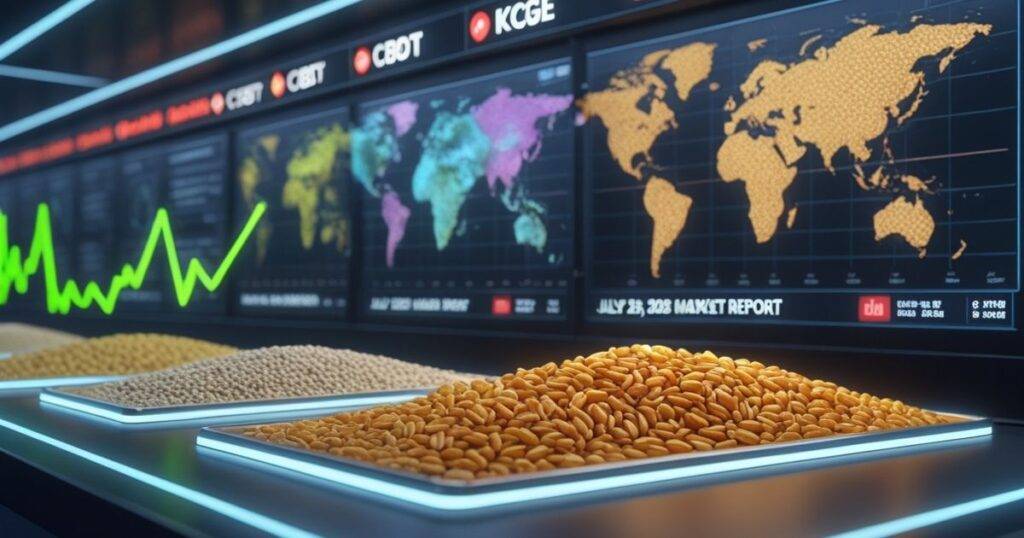 Selling early and often works best when businesses focus on momentum, feedback, and consistent cash flow rather than waiting for perfection. Launching early lets you test demand, validate ideas, and improve products based on honest customer feedback. Frequent selling keeps your brand visible, builds trust, and creates multiple revenue opportunities throughout the year. This Strategy is especially effective for seasonal products, agricultural goods, small businesses, and startups that rely on steady income.
By engaging customers regularly, you strengthen relationships and encourage repeat purchases. Selling early also helps manage inventory efficiently, reduce risk, and adapt quickly to market changes before competitors react.
Integrating Storage into the Strategy
Integrating Storage into the Strategy means making storage systems a core part of operational and business planning rather than an afterthought. Whether in agriculture, manufacturing, retail, or data management, effective storage protects assets, reduces waste, improves efficiency, and strengthens profitability. Strategic storage planning considers capacity, location, climate control, inventory rotation, security, and technology integration.
It aligns supply with demand, supports sustainability goals, and minimizes losses caused by spoilage, damage, or delays. By incorporating innovative storage solutions—such as cold Storage, warehouse automation, or digital inventory tracking—organizations can streamline workflows and respond quickly to market changes. A well-integrated storage strategy ultimately enhances resilience, cost control, and long-term growth.
Emotional Discipline: The Hidden Advantage
Emotional Discipline: The Hidden Advantage explores the transformative power of managing emotions to achieve personal and professional success. It goes beyond traditional self-control, showing how awareness, resilience, and intentional responses to challenges create a decisive edge in high-pressure situations. By cultivating emotional discipline, individuals can navigate stress, make clearer decisions, and maintain focus on long-term goals.
This approach enhances relationships, boosts leadership effectiveness, and fosters mental well-being. The book combines practical strategies, real-world examples, and actionable exercises to help readers harness their emotions rather than be controlled by them. Emotional discipline becomes not just a skill, but a hidden advantage in life and work.
How Technology Supports This Approach
Modern tools make incremental marketing easier:
- Online grain platforms
- Price alerts
- Farm management software
- Automated hedge tools
- Real-time market apps
You don’t need to sit at the elevator waiting for bids.
Long-Term Profitability vs Short-Term Wins
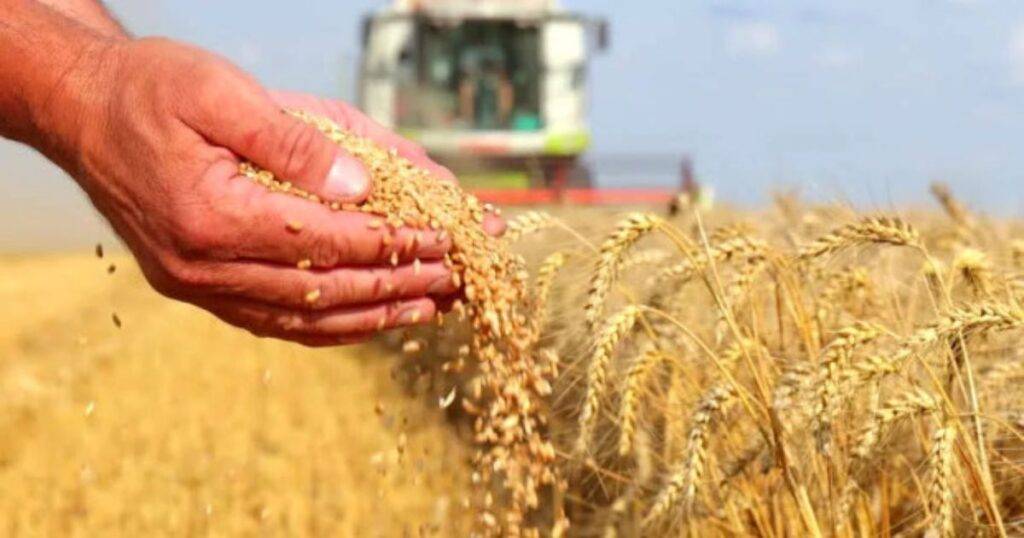 Balancing long-term profitability and short-term wins is crucial for sustainable business success. Short-term gains, such as quick sales or immediate cost reductions, provide instant financial relief and can boost morale, but they may compromise strategic growth if overemphasized. In contrast, long-term profitability focuses on consistent revenue streams, customer loyalty, innovation, and brand reputation, ensuring stability and resilience amid market fluctuations.
Businesses that prioritize long-term strategies often invest in research, quality, and employee development, laying a foundation for enduring success. Understanding the trade-offs between immediate rewards and sustainable growth allows companies to make informed decisions that optimize both financial performance and market longevity.
Advanced Strategy: Scaling the Percentages
Advanced Strategy: Scaling the Percentages explores the nuanced approach of adjusting percentages to optimize performance, growth, and results across various contexts, from business analytics to financial planning. This Strategy emphasizes precision, allowing practitioners to identify key leverage points and scale efforts efficiently without overextending resources. By understanding proportional relationships and applying systematic adjustments, users can achieve balanced outcomes while minimizing risk.
The methodology combines data-driven insights with practical decision-making frameworks to deliver measurable improvements. Ideal for managers, analysts, and strategic planners, this guide empowers professionals to refine operations, allocate resources effectively, and achieve greater impact through methodical, percentage-based scaling techniques.
Conclusion:
Selling early and often can transform your grain marketing strategy by reducing risk, improving cash flow, and taking advantage of favorable market conditions. By avoiding the trap of waiting for perfect prices, you lock in profits gradually and protect against unpredictable weather, supply fluctuations, and price volatility. Frequent sales also allow you to diversify timing and contracts, spreading risk across different market periods.
This proactive approach encourages disciplined marketing, prevents emotional decision-making, and creates flexibility for reinvestment or operational needs. Ultimately, consistent, early selling empowers farmers to maximize returns while minimizing uncertainty in an ever-changing grain market.
FAQ:
What does “Selling early and often” Mean in grain Marketing?
“Selling early and often” is a strategy where farmers sell portions of their grain crop soon after harvest and continue selling in increments throughout the marketing year. This reduces reliance on a single price point and spreads risk.
Why is Selling Early Beneficial for Farmers?
Selling early allows farmers to secure cash flow, lock in favorable prices when markets are strong, and reduce storage costs. It also helps manage the risk of unexpected price drops.
How does Selling often help Manage Market Volatility?
Grain prices fluctuate due to weather, global demand, and economic conditions. By selling in smaller, regular increments, farmers can take advantage of price peaks and minimize losses when prices dip.
Can this Strategy Increase Overall Profitability?
Yes. Selling early and often helps farmers avoid waiting for the “perfect price,” which may never occur, and can average out prices across the year, usually leading to higher realized profits.
What Tools can Farmers use to Implement this Strategy?
Farmers can use forward contracts, futures, options, and cash contracts to lock in prices. Combining these tools with a planned selling schedule ensures consistency and reduces emotional decision-making.
