


Winter can be one of the most challenging and expensive seasons for livestock farmers. As temperatures drop, natural pasture becomes limited, and animals require more energy-rich food to maintain body heat and overall health. This seasonal shift naturally increases winter feed costs, putting pressure on farm budgets and profit margins.During colder months, farmers rely heavily on stored hay, silage, grain, and commercial cow feed instead of fresh grazing. At the same time, transportation expenses, storage losses, and supply shortages can further increase winter feed costs. Even simple factors such as poor feed management, damaged feeding troughs, or inefficient cattle feeders can lead to unnecessary waste.
Many farmers also compare prices for organic cattle feed near me or ask practical questions, such as the cost to feed sheep during the winter season or how much winter rye costs from a feed mill. These concerns are common because winter feeding directly impacts farm sustainability.Understanding why winter feed costs rise and learning practical strategies to control them is essential for every livestock producer who wants to protect animal health while maintaining financial stability during the cold season.
Increased Nutritional Demands in Cold Weather
During winter, livestock require more energy to maintain body temperature. This directly leads to higher winter feed costs because animals eat more to stay warm. Cattle, sheep, and goats burn additional calories when temperatures drop below their comfort zone. As a result, farmers must provide extra feed for cows, including energy-dense, nutrient-rich feed.Cold stress can also reduce feed efficiency. If animals do not receive proper nutrition, weight loss and health problems can occur. Drip Irrigation vs. Flood Irrigation: A Comprehensive Comparison Farmers often increase grain supplements or high-quality hay, which adds to expenses. The cost to feed sheep during the winter months can rise significantly, especially if pasture is unavailable.
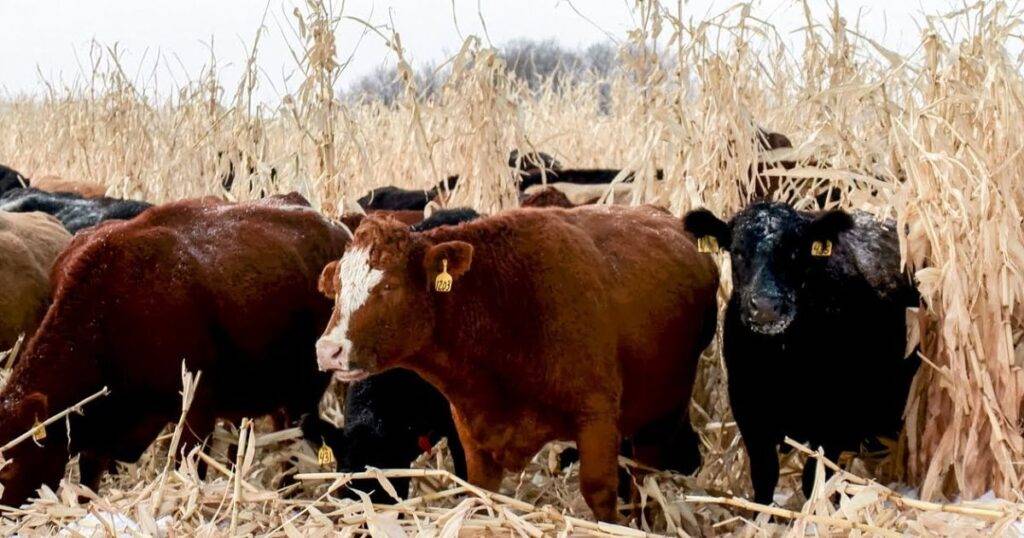
Additionally, wind, snow, and ice may damage feed supplies, resulting in waste. Poor-quality hay or silage may force farmers to purchase additional feed at higher winter prices. Therefore, managing feed quality and storage becomes crucial. Monitoring body condition scores and adjusting rations carefully can help prevent overfeeding while ensuring animals remain healthy throughout winter.
Limited Grazing and Forage Shortages
One of the main reasons winter feed costs rise is the lack of natural grazing. During warmer months, livestock rely on pasture, reducing the need for purchased feed. In winter, however, grass growth slows or stops entirely. Farmers must depend on stored hay, silage, or grain.Some producers plant winter crops, such as rye, to reduce their dependence on stored feed. However, many farmers ask, “How much does winter rye cost from a feed mill?” Prices vary by location and supply, but transportation and demand often push prices higher in winter.
If forage planning was insufficient during summer, cow feed farmers may be forced to buy emergency supplies at peak prices. This can significantly increase winter feed costs. Drought conditions in previous seasons can make shortages even worse.To control expenses, farmers should plan forage production months in advance. Proper hay storage prevents spoilage and reduces losses. Testing forage quality also helps balance rations efficiently, ensuring animals receive adequate nutrition without unnecessary supplementation.
Rising Feed Transportation and Supply Chain Costs
Winter weather often disrupts transportation systems. Snowstorms, icy roads, and rising fuel prices contribute to higher delivery charges. This directly affects winter feed costs, as suppliers pass these expenses on to farmers.If you are searching for organic cattle feed near me, you may notice price differences between suppliers. Organic and specialty feeds typically cost more due to certification and limited production. In winter, demand rises while supply may shrink, pushing prices even higher.
Feed mills also experience higher operational costs during cold months. Heating, storage protection, and logistics all require additional resources. When farmers ask about the cost to feed sheep during the winter season, transportation costs often account for a significant share of the total cost. To control these costs, farmers can bulk purchase feed before peak winter demand. Coordinating group purchases with neighboring farms can reduce shipping expenses. Building relationships with local suppliers may also lead to more affordable and adaptable delivery options.
Feed Wastage and Poor Equipment Management
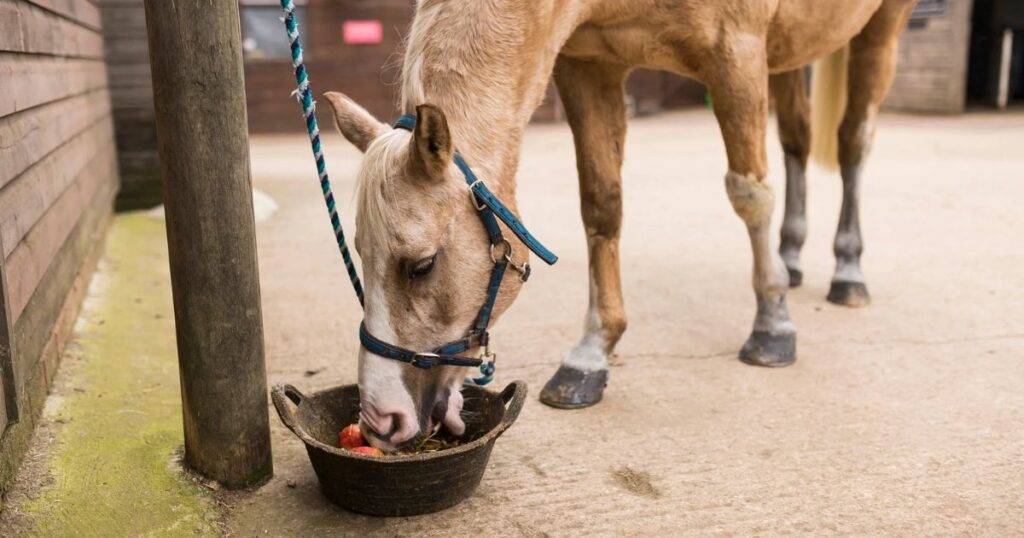
Feed wastage is a hidden contributor to rising winter feed costs. Improper or damaged use of a feeding trough can lead to significant losses. When feed is exposed to snow, mud, or trampling, animals may refuse to eat it, leading to increased waste.Using a well-designed cattle feeder helps reduce spillage and ensures equal access for all animals. Investing in a durable cattle feeding trough may seem costly upfront, but it saves money in the long run by minimizing losses.
Windbreaks and covered feeding areas also protect feed from harsh weather. Wet hay quickly molds and becomes unusable. Regularly checking equipment and repairing broken troughs can significantly reduce waste.Proper feeding management includes offering measured portions instead of overfilling troughs. Monitoring animal intake helps avoid excess feeding. How Can Farmers Cut Waste in Sustainable Agriculture These simple strategies can effectively control winter feed costs without compromising livestock health.
Strategies to Control and Reduce Winter Feed Costs
Although winter feed costs often increase, farmers can take proactive steps to manage expenses. First, conduct feed inventory assessments before winter begins. Knowing how much hay, silage, and grain you have prevents emergency purchases at high prices.Second, optimize ration balancing. Work with a nutritionist to ensure your cow feed formulation meets energy requirements without overspending on supplements. Efficient feeding programs lower the cost of feeding sheep and cattle alike.
Third, improve storage conditions. Keep hay dry and protected to prevent spoilage. Maintain feeding equipment, such as your cattle feeder and feeding trough, to reduce waste.Fourth, consider alternative feeds such as crop residues or locally sourced options. Comparing suppliers when searching for organic cattle feed near me can also help secure competitive prices.Finally, track all feed-related expenses. Identifying patterns that increase winter feed costs allows better budgeting for future seasons. Different Types of Cows: Breeds Characteristics and Uses Explained Planning, efficiency, and proper management are key to maintaining profitability even during challenging winter months.
How Much Does Winter Rye Cost from a Feed Mill?
The cost of winter rye, whether used for forage, feed, or cover cropping, can vary significantly depending on where you buy it and how much you need. In many feed mills in the United States, winter rye grain or seed is commonly sold in 50-pound (about 23 kg) bags. For example, some mills price a 50 lb bag of winter rye at around $21.00 (about Tk 1,900–Tk 2,000), though this can change with supply and demand, inflation, and transportation costs.
Many agricultural supply stores also offer winter rye seed for forage or grazing. Prices for rye seed or grain at feed stores range from $22.99 to $25.99 per 50-lb bag, depending on the brand and quality. In Bangladesh, rye prices fluctuate based on local market conditions and import costs. Rye (not specifically winter rye grain) might cost approximately USD 0.77-3.43 per kilogram (around Tk 80–Tk 370/kg) at retail levels. If buying bulk tonnage directly from a feed mill, the per-kilogram or per-ton cost often drops compared with bag prices, but you usually need a truck or storage space. Always check with local mills for current pricing, Zinnia Perennial: A Colourful Bloom That Keeps Coming Back as feed grain costs change seasonally and based on availability.
Conclusion
Winter is naturally a high-expense season for livestock operations. Increased nutritional demands, limited pasture, transportation challenges, and equipment-related waste all contribute to rising winter feed costs. Whether you are calculating the cost to feed sheep in the winter months or evaluating how much winter rye costs from a feed mill, careful planning is essential.
Investing in high-quality feeding systems, such as durable feeding troughs, can significantly reduce waste. Proper selection of cow feed, improved storage, and innovative purchasing strategies also help maintain control over expenses.By understanding why winter feed costs rise and implementing proactive management practices, farmers can protect both animal health and farm profitability. Preparation and efficiency make all the difference when temperatures drop, Understanding Food Costs and Modern Farming Practices and feed becomes the most critical farm investment.
FAQ
Why do winter feed costs increase every year?
Winter feed costs increase mainly because livestock require more energy during cold weather. Animals eat more, and exceptionally high-quality cow feed to maintain body temperature. At the same time, pasture growth slows down, forcing farmers to rely on stored hay, grain, and commercial feed. Transportation problems, rising fuel prices, and supply shortages also contribute to higher costs.
How can I reduce feed waste in winter?
To reduce waste, use a proper feeding trough or durable cattle feed trough that prevents spillage and trampling. A well-designed cattle feeder helps control portions and keeps feed clean. Covered feeding areas and regular equipment checks also help minimize losses from snow, mud, and moisture.
What is the average cost to feed sheep during the winter season?
The cost to feed sheep in the winter months depends on hay prices, grain costs, and local availability. Expenses vary by region, but proper ration planning and forage testing can significantly reduce unnecessary spending while keeping sheep healthy.
Is organic cattle feed more expensive in winter?
Yes, searching for organic cattle feed near me often shows higher prices in winter. Organic feed typically costs more due to certification standards and limited supply, and seasonal demand can further increase prices.
How can I plan ahead to control winter feed costs?
Plan forage production early, store hay properly, compare feed mill prices (including winter rye prices), and track expenses carefully. Bulk purchasing before peak winter demand can also help stabilize winter feed costs.
