

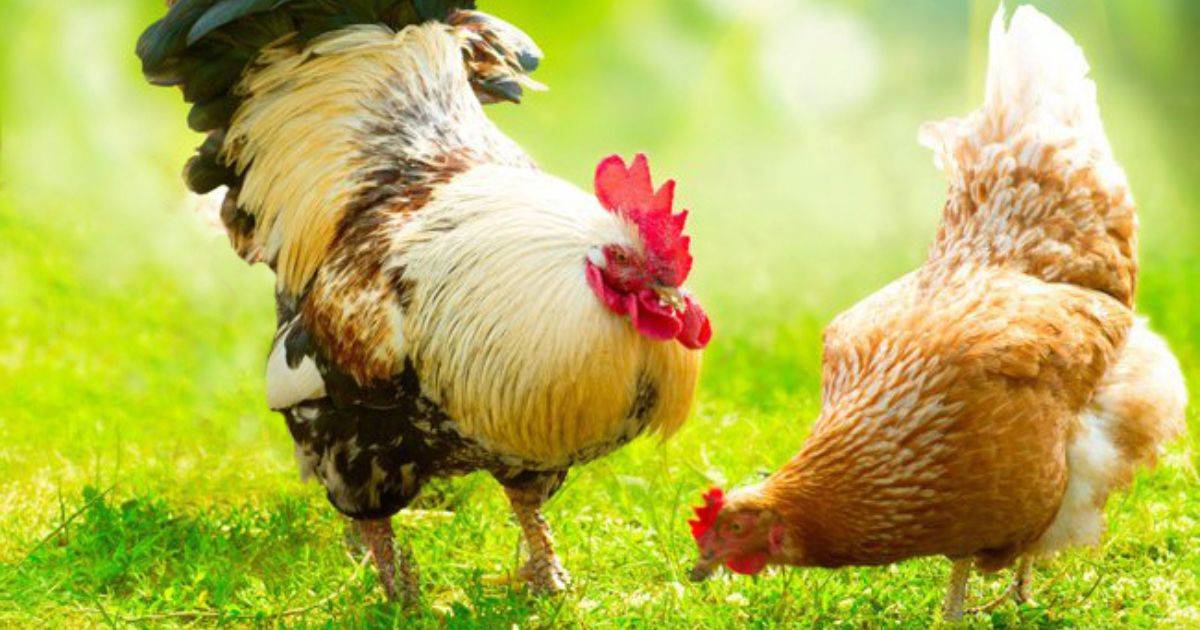
Whether you’re a backyard hobbyist in Dhaka dreaming of fresh eggs for breakfast or a small-scale farmer looking to diversify your income with both eggs and meat, choosing the right chicken breeds is crucial. Chicken farming has surged in popularity worldwide, offering sustainable protein sources, natural pest control, and even companionship. But with hundreds of breeds available, how do you pick the best ones for eggs and meat? This comprehensive guide delves into the top performers, drawing on expert sources and real-world experience. We’ll cover specialized egg layers, dedicated meat birds, and versatile dual-purpose breeds that excel at both. By the end, you’ll have the knowledge to build a flock that suits your Space, Climate, and goals—whether it’s maximizing egg output in humid tropical conditions or raising birds for flavorful roasts.
Chicken farming isn’t just about production; it’s about sustainability and efficiency. In regions like Bangladesh, where agriculture is a backbone of the economy, selecting hardy breeds that thrive in warm, humid environments can make all the difference. Factors like feed conversion ratio, disease resistance, and temperament play key roles. For egg farming, aim for breeds that lay consistently year-round, even during monsoons. Meat birds should grow quickly to minimize costs, while dual-purpose options provide flexibility for mixed operations.
Top Breeds for Egg Production
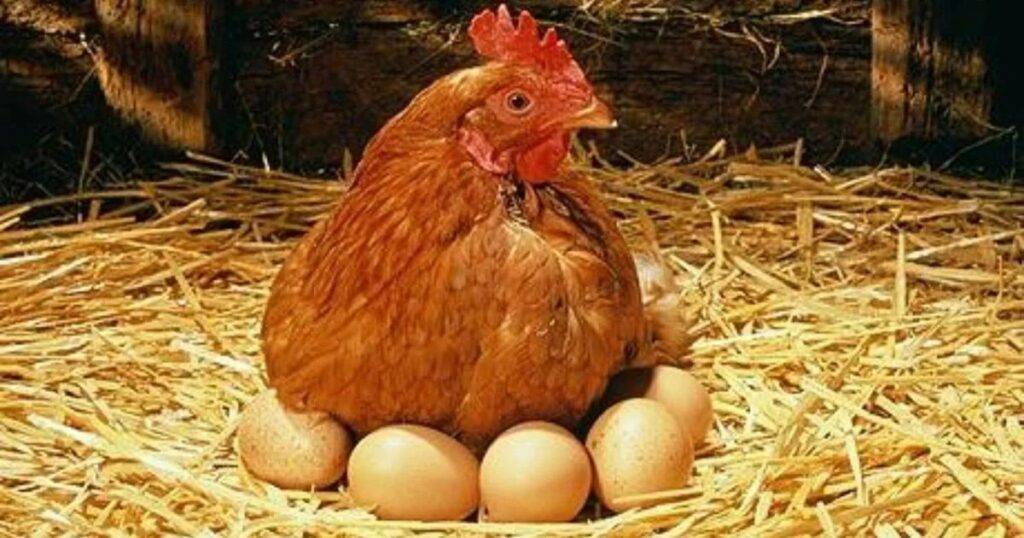 Looking for the best chickens for egg production? Choosing the right breed can maximize your egg yield, ensure consistent laying, and suit your Climate and Space. Popular top egg-laying breeds include Leghorns, Rhode Island Reds, Sussex, and Plymouth Rocks, known for their high productivity, hardiness, and adaptability. Whether you want large white eggs, brown eggs, or dual-purpose birds, these breeds provide reliable performance for backyard flocks or small-scale farms. Understanding chickens breeds each breed’s characteristics helps you select the perfect layers for your needs.
White Leghorn
The White Leghorn is often hailed as the queen of egg layers, originating from Italy and refined in the U.S. for industrial production. These birds are slim, active foragers with bright white feathers, red combs, and yellow legs. They lay large white eggs—up to 280-320 per year—starting at around 4-5 months country chicken old.
Their efficiency is unmatched; one hen can produce an egg almost daily during peak seasons. Pros include excellent feed-to-egg conversion, heat tolerance (perfect for Dhaka’s Climate), and low maintenance needs. However, they’re flighty and not the friendliest, which might be a con for family farms. They also go broody rarely, so natural hatching isn’t their strength. For care, provide ample Space to roam and a balanced layer feed with 16-18% protein. In hot weather, ensure shade and fresh water to prevent heat stress. Leghorns are prone to feather pecking in confined spaces, so monitor flock dynamics. dynamics.
Rhode Island Red
Developed in the U.S. in the late 1800s, the Rhode Island Red is a robust American heritage breed known for its deep reddish-brown plumage and hardy nature. Hens lay 250-300 large brown eggs annually, even through winter with proper lighting. They’re dual-purpose, leaning toward eggs, with roosters reaching 8-9 pounds. Pros: Calm temperament, good foragers, and cold-hardy (adaptable to variable weather).
Cons: Can be dominant in mixed flocks and occasionally broody. For farming tips, start chicks with a heat lamp at 95°F, gradually reducing it. Supplement with greens to enrich egg yolks. This breed is resistant to common diseases like Marek’s, but vaccinate anyway. In egg-focused operations, cull non-layers after 2-3 years for optimal types of hen productivity.
Black Australorp
Hailing from Australia (a cross of Orpingtons and others), the Black Australorp holds a world record for egg laying—364 eggs in 365 days! Their glossy black feathers shimmer green in sunlight, and they lay 200-280 light brown eggs per farm hensyear.
Pros: Docile, excellent mothers, and heat-resistant. Cons: Slower to mature (5-6 months to lay) and, if overfed, may be prone to obesity. They’re great for free-range setups, with foraging accounting for up to 50% of their diet. Provide calcium-rich oyster shells for strong eggshells. In humid areas, watch for mites and ventilate farm chicken coops.
Golden Comet
A hybrid (Rhode Island Red x White Leghorn), the Golden Comet is a sex-link breed—chicks are color-coded by gender. They sport golden-red feathers and lay 250-300 medium brown eggs yearly, starting early at 16-18 weeks. Pros: Friendly, prolific layers, and efficient feeders. Cons: Shorter lifespan (3-5 years) and not breedable true. Ideal for small farms; they thrive on standard layer pellets. Monitor for egg-bound issues in hot species of hens weather.
ISA Brown
ISA Brown is a highly popular hybrid layer chicken known for its exceptional egg-laying abilities. Developed for commercial and small-scale farms, this breed consistently produces large, brown eggs, often reaching 300 or more per year. ISA Browns are hardy, adaptable to various climates, and exhibit calm, friendly temperaments, making them ideal for backyard flocks. They are efficient feed converters and have strong immunity, reducing health issues.
Their resilience, productivity, and docile nature make ISA Brown chickens a top choice for both professional poultry operations and home enthusiasts seeking reliable egg types of chicken chickens breeds production.
Top Breeds for Meat Production
 Top Breeds for Meat Production focuses on livestock known for rapid growth, efficient feed conversion, and high-quality carcass yield. In cattle, breeds like Angus, Hereford, and Charolais are prized for marbling, tenderness, and substantial weight gain. Among sheep, Suffolk and Dorper stand out for lean meat and adaptability. In goats, Boer goats are widely recognized for fast growth and muscular list two poultry livestock build.
For poultry, Cornish Cross chickens dominate commercial meat production due to exceptional feed efficiency. These breeds are selected for performance, resilience, and profitability, making them ideal for farmers aiming to maximize meat output while maintaining consistent quality and market types of chickens value.
Cornish Cross
The industry standard, Cornish Cross (Cornish x Plymouth Rock hybrid), grows to 5-6 pounds dressed in 6-8 weeks.White-feathered and broad-breasted, they’re bred for tender meat. Pros: Fast growth, excellent farm chickens feed conversion (2:1 ratio). Cons: Health issues, such as leg problems, if overfed; not for long-term keeping. Restrict feed after 4 weeks to prevent issues. Great for commercial setups.
Freedom Ranger
A slower-growing hybrid, Freedom Rangers reach 4-5 pounds in 9-11 weeks. Reddish feathers, active foragers. Pros: Better health, flavorful meat. Cons: Higher feed costs. Pasture-raised for best different types of hens images results.
Bresse
French heritage breed Bresse chickens (common white variety) yield 4-5 pounds in 16-20 weeks and have a gourmet flavor.Pros: Triple-purpose (meat, eggs, show), disease-resistant. Cons: Slower growth. Finish with dairy for marbled beef.
Jersey Giant
American giants, reaching 10-13 pounds live. Black, white, or blue feathers. Pros: Gentle, good meat yield. Cons: Slow types of chicken farming maturity (20+ weeks) and high feed requirements.
Kosher King
Kosher King is a premium food brand specializing in authentic, kosher-certified products, offering a wide range of meats, poultry, and specialty items crafted to meet the strictest standards for tradition and quality. Committed to flavor and purity, Kosher King ensures all products are carefully prepared under strict supervision, catering to those seeking genuine kosher cuisine. Perfect for everyday meals or festive occasions, the brand combines convenience, taste, and cultural authenticity, making it a trusted choice for families, chefs, and food enthusiasts who value wholesome, certified kosher food list of chicken breeds experiences.
Top Dual-Purpose Breeds for Eggs and Meat
Top dual-purpose chicken breeds are ideal for farmers and backyard keepers who want both reliable egg production and quality meat. These versatile birds balance productivity, hardiness, and temperament, making them perfect for sustainable, small-scale farming systems. Popular dual-purpose breeds lay a steady supply of medium- to large-sized eggs while also producing well-sized, flavorful carcasses for the table.
They are often hardy in different climates, adaptable to free-range or coop settings, and known for calm behavior. Choosing the right dual-purpose breed helps reduce costs, maximize farm efficiency, and support self-sufficiency by providing two valuable food sources from one resilient local chicken flock.
Buff Orpington
The Buff Orpington is a popular, dual-purpose chicken breed known for its striking golden-buff feathers, calm temperament, and excellent egg-laying ability. Originating in England, this breed thrives in both backyard flocks and small farms thanks to its hardiness and adaptability. Buff Orpingtons produce large brown eggs consistently and are also valued for their tender meat. Gentle and friendly, they are ideal for families and beginner poultry keepers. Their fluffy plumage, quiet demeanor, and reliable productivity make them a global favorite among poultry lovers.
Barred Plymouth Rock
The Barred Plymouth Rock is a popular American chicken breed, easily recognized by its striking black-and-white striped plumage. Renowned for its friendly temperament, hardiness, and adaptability, it thrives in both backyard flocks and small farms. This dual-purpose breed excels in egg production, consistently laying large brown eggs, while also providing quality meat. Barred Plymouth Rocks are calm, sociable, and manageable, which makes them perfect for families and beginner poultry keepers. Their resilience to cold weather and disease further enhances their appeal as a reliable, all-around backyard chickens breeds chicken.
Speckled Sussex
The Speckled Sussex is a charming heritage chicken breed known for its friendly temperament and striking appearance. Recognizable by its rich mahogany plumage dotted with creamy white speckles, this breed is both hardy and adaptable to various climates. Speckled Sussex hens are excellent layers, producing a steady stream of medium- to large-sized brown eggs, while the roosters are calm and sociable. Ideal for backyard flocks, they thrive in free-range settings but are equally comfortable in coops. Their docile nature makes them perfect for families and beginner poultry keepers seeking beauty and productivity.
Wyandotte
Colorful U.S. breed, 200 eggs/year, 6-8 pounds. Pros: Cold-tolerant, pretty. Cons: Occasionally aggressive.
New Hampshire
New Hampshire is a picturesque state in the northeastern United States, known for its stunning natural landscapes, including the White Mountains, Lakes Region, and scenic fall foliage. Renowned for its outdoor recreation, it offers hiking, skiing, and boating opportunities year-round. The state blends charming small towns with vibrant cities like Manchester and Concord. Famous for its “Live Free or Die” motto, New Hampshire boasts a rich history, welcoming communities, and a thriving local culture, from peaceful forests to bustling cultural events; it’s a place that appeals to both history buffs and environmental lovers.
Tips for Successful Eggs and Meat Farming
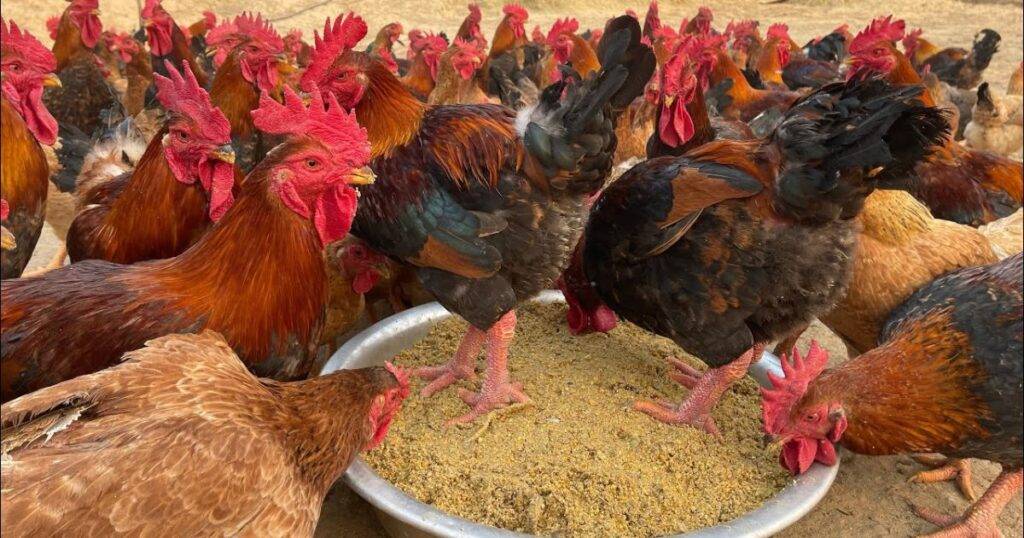 To thrive, consider your location—Dhaka’s humidity calls for ventilated coops and parasite control. Start small with 10-20 birds, vaccinate against Newcastle disease, and use biosecurity measures. Feed costs 60-70% of total expenses; opt for locally sourced grains mixed with commercial feed. For eggs, collect daily; for meat, process humanely. Sustainability tip: Compost manure for gardens. Scale up gradually, marketing via local markets or online.
In conclusion, whether you choose Leghorns for eggs, Cornish Cross for meat, or Orpingtons for both, success lies in matching breeds to your setup. Experiment, learn from flocks, and enjoy the rewards of fresh produce. Happy farming! (Word count: 2047)
Best Dual-Purpose Chicken Breeds
The best dual-purpose chicken breeds are valued for both egg production and high-quality meat, making them ideal for small farms and backyard flocks. These versatile birds offer a practical balance—laying a steady supply of nutritious eggs while growing large enough for flavorful table meat. Popular dual-purpose breeds are typically hardy, adaptable to different climates, and known for calm temperaments, which makes them easy to manage.
They help farmers maximize productivity without maintaining separate flocks for meat and eggs. From traditional heritage breeds to modern utility strains, dual-purpose chickens support sustainable poultry keeping by reducing costs, improving self-sufficiency, and providing reliable year-round food production for homesteaders and small-scale growers.
How to Choose the Right Breed for Your Farm
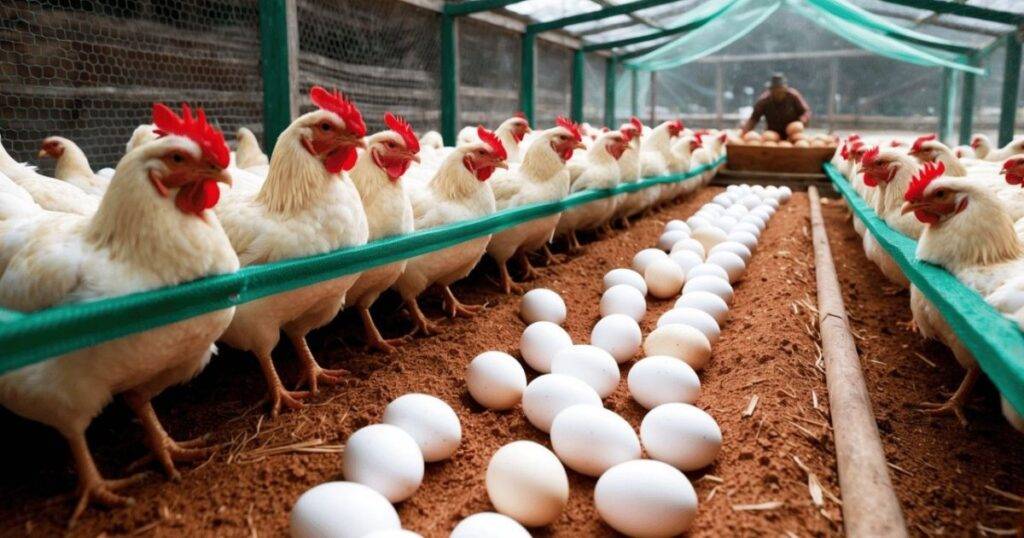 Choosing the right breed for your farm is a critical decision that impacts productivity, profitability, and long-term sustainability. The ideal breed depends on your farm’s Climate, available Space, feed resources, and primary goals—whether for meat, milk, eggs, fiber, or breeding. Consider disease resistance, growth rate, temperament, and market demand in your region. Heritage breeds may offer hardiness and adaptability, while commercial breeds often yield higher.
Evaluate startup costs, maintenance needs, and local regulations before investing. Visiting nearby farms and consulting agricultural experts can also help you make an informed choice. The right breed ensures better performance, lower risks, and greater success for your farming operation.
Define Your Purpose
- For maximum eggs → Choose Leghorn or Australorp
- For fast meat production → Cornish Cross
- For balance → Orpington or Plymouth Rock
Consider Climate
- Cold climates → Brahma, Wyandotte, Jersey Giant
- Warm climates → Leghorn, Rhode Island Red
Evaluate Space
Active breeds like Leghorns need room to roam, while heavier breeds require spacious housing.
Feed Costs
Lighter birds eat less. Fast-growing broilers require high-protein feed.Family farms benefit from calm breeds like Orpingtons and Australorps.
Conclusion:
In conclusion, understanding different chicken breeds is essential for both hobbyists and commercial farmers. Each breed offers unique traits, from egg production and meat quality to temperament and adaptability. Selecting the right breed depends on your goals: consistent egg-laying, fast growth, or ornamental appeal. Heritage breeds preserve genetic diversity, while hybrid breeds maximize chickens breeds productivity.
By understanding the characteristics, needs, and strengths of different breeds, farmers can optimize their flocks for health, sustainability, and profitability. Ultimately, appreciating breed diversity helps ensure a balanced, thriving, and efficient poultry-raising experience for any scale of operation.
FAQ:
What are Chickens Breeds?
Chicken breeds are specific varieties of chickens that have been selectively bred for particular traits, such as egg production, meat quality, appearance, or temperament. Each breed has unique characteristics that make it suitable for different purposes.
How many Chicken Breeds are there?
More than 500 chicken breeds are recognized worldwide, including heritage, commercial, and hybrid types. The exact number may vary depending on the classification system used by poultry organizations.
Which Chicken Breed lays the Most Eggs?
Leghorns are among the most prolific layers, producing up to 300 eggs per year. Other high-yield layers include Hy-Line, Rhode Island Red, and ISA Brown.
Which Chicken Breeds are Best for Meat?
For meat production, Cornish Cross is the most common commercial breed, known for rapid growth and tender meat. Other meat breeds include Bresse, Jersey Giant, and Orpington.
Can Chicken Breeds Survive in cold Climates?
Some breeds are more cold-hardy due to feather density and body size. Cold-tolerant breeds include Rhode Island Red, Wyandotte, and Brahma. Proper housing and shelter are still crucial in winter.
Are there Rare or Exotic Chicken Breeds?
Yes, ornamental breeds like Silkies, Polish, Phoenix, and Frizzle are rare or exotic. These are mainly kept for shows, pets, or aesthetic appeal rather than egg or meat production.
