

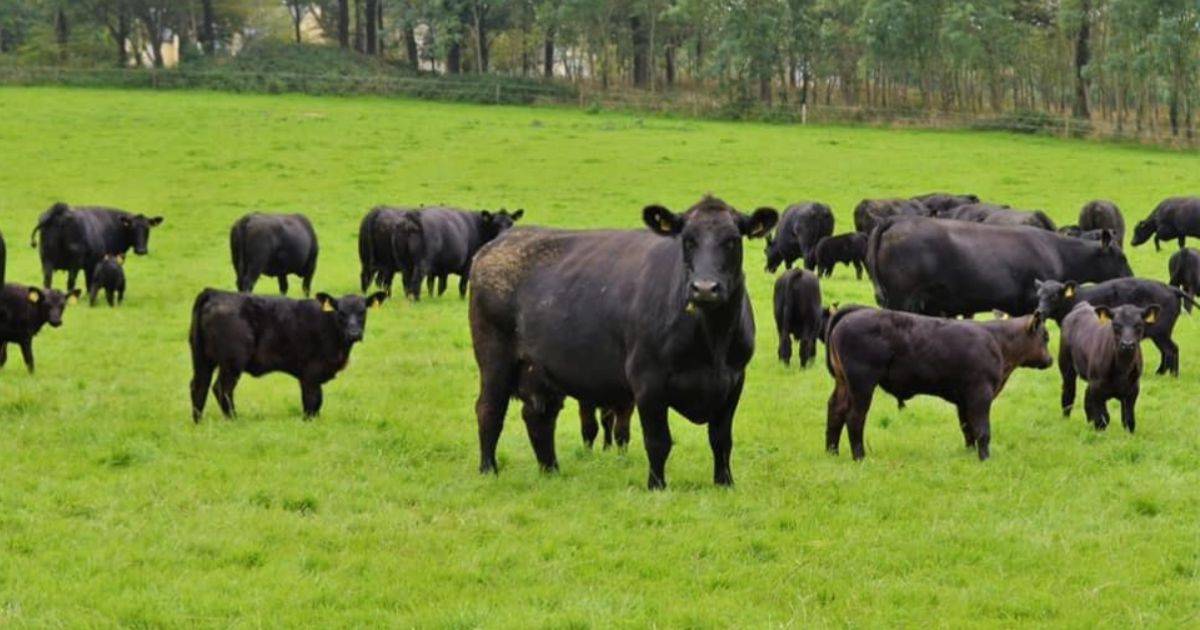
When people talk about premium beef, one breed consistently stands above the rest: Aberdeen Angus. Renowned for its exceptional marbling, tenderness, and rich flavor, Aberdeen Angus has become the global benchmark for high-quality beef. From small family farms to large commercial operations, this breed plays a vital role in modern beef production.
Beyond its reputation for excellent meat, Aberdeen Angus cattle are valued for their adaptability, efficiency, calm temperament, and strong reproductive performance. This article explores the history, characteristics, advantages, management needs, and economic value of Aberdeen Angus, explaining why it remains one of the most respected beef cattle breeds in the aberdeen angus cow world.
Origin and History of Aberdeen Angus
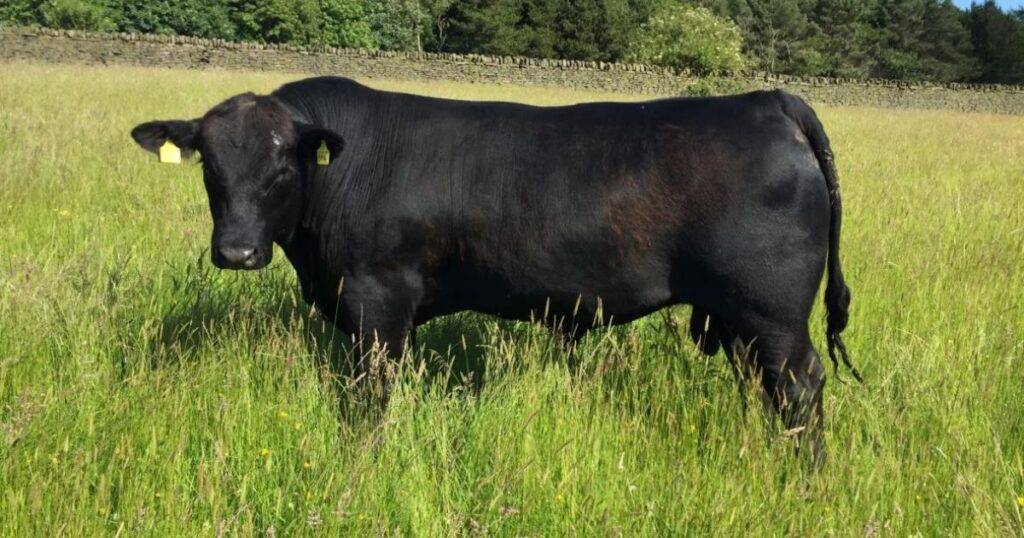 Aberdeen Angus originated in Scotland, specifically in the counties of Aberdeenshire and Angus, during the early nineteenth century. Farmers in this region needed cattle that could withstand harsh weather conditions while still producing high-quality meat. Over time, local black, hornless cattle were selectively bred to lowline cattle enhance desirable traits such as early maturity, meat quality, and hardiness.
The breed quickly gained recognition for its performance, and by the late 1800s, Aberdeen Angus cattle were exported to other countries. In 1873, they were introduced to the United States, where they rapidly became popular due to their superior beef quality and ease of management. Today, Aberdeen Angus cattle are raised across Europe, North America, South America, Australia, and many parts of Asia and aberdeen cattle Africa.
Physical Characteristics
Katahdin lambs are medium-sized, well-balanced animals known for their hardy build and clean, muscular frame. They have a smooth hair coat rather than heavy wool, which naturally sheds as temperatures rise, eliminating the need for shearing. Coat colors vary widely and may include white, tan, brown, red, or combinations of these shades. Katahdins typically have strong legs, solid hooves, and a broad chest that supports efficient growth and mobility.
Most are naturally polled (hornless), giving them a calm, manageable appearance. Their overall structure supports adaptability, easy movement, and excellent performance in diverse farming black aberdeen angus environments.
Coat and Appearance
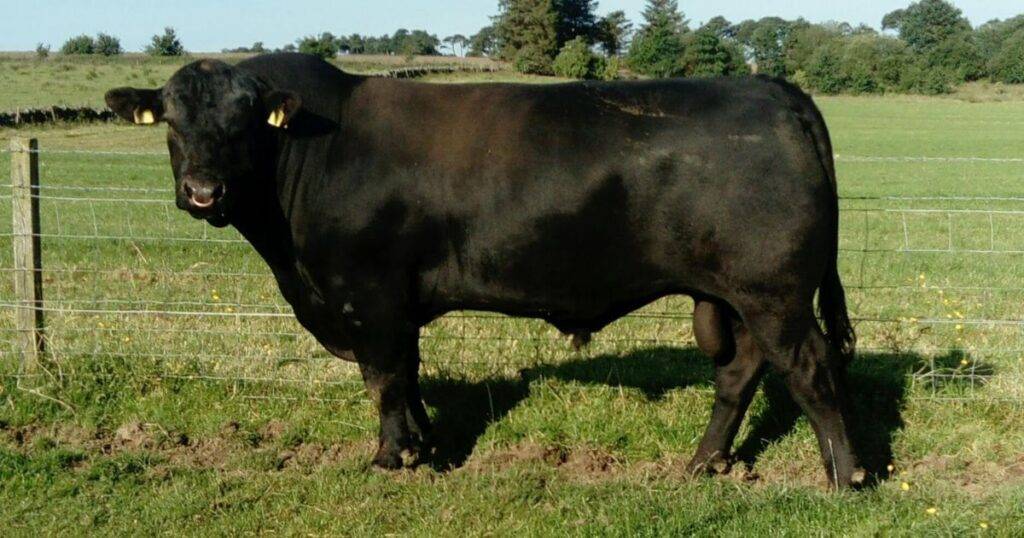
- Solid black coat is the most common
- Naturally polled (hornless), reducing injury and labor costs
- Smooth, compact body with deep muscling
Size and Structure
- Medium-sized breed
- Mature cows typically weigh 500–650 kg
- Mature bulls weigh 800–1,000 kg
Their moderate size allows for efficient feed conversion while still producing high carcass yields, making them ideal for both intensive and pasture-based lowline cows systems.
Exceptional Beef Quality
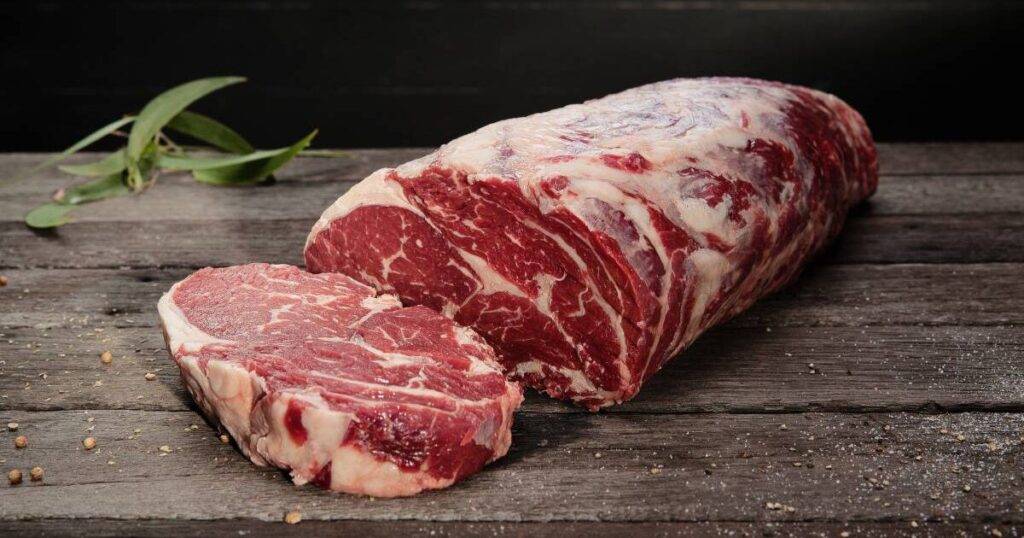 Exceptional beef quality begins with responsible farming, superior genetics, and careful animal care from pasture to plate. Cattle raised on balanced nutrition and low-stress environments develop better muscle structure, resulting in tender texture and rich marbling. This natural marbling enhances juiciness, flavor depth, and overall eating satisfaction. Strict handling standards and humane practices preserve meat integrity while ensuring food safety and aberdeen cow consistency.
Every cut delivers a clean, robust taste that reflects the health of the animal and the land it was raised on. From premium steaks to everyday portions, exceptional beef offers reliable tenderness, mouthwatering flavor, and nutritional value that discerning consumers can trust and enjoy in every meal.
Superior Marbling
Superior Marbling refers to the fine, evenly mini angus distributed intramuscular fat within high-quality meat, particularly beef. This delicate fat network enhances flavor, tenderness, and juiciness, creating a rich, buttery texture that elevates every bite. Meats with superior marbling are prized by chefs and food enthusiasts alike for their exceptional eating experience, whether grilled, roasted, or seared.
The visual appeal of marbling also signals premium quality, making it a key indicator when selecting meat. Superior marbling transforms ordinary cuts into indulgent, melt-in-your-mouth delicacies, perfect for gourmet lowline angus bull meals.
Tenderness and Flavor
Tenderness and flavor define the essence of a truly enjoyable culinary experience. Foods that are tender melt easily in the mouth, offering a delicate texture that enhances every bite. When paired with rich, well-balanced flavors, they create a memorable taste that delights the senses. Whether it’s succulent meat, fresh vegetables, or perfectly cooked grains, the combination of softness and taste elevates meals from ordinary to extraordinary. This harmony of texture and flavor not only satisfies hunger but also leaves a lasting impression of quality and care.
Premium Beef Programs
Many countries operate branded beef programs that feature Angus genetics, further reinforcing consumer trust and willingness to pay higher prices for miniature angus Angus beef.
Temperament and Ease of Handling
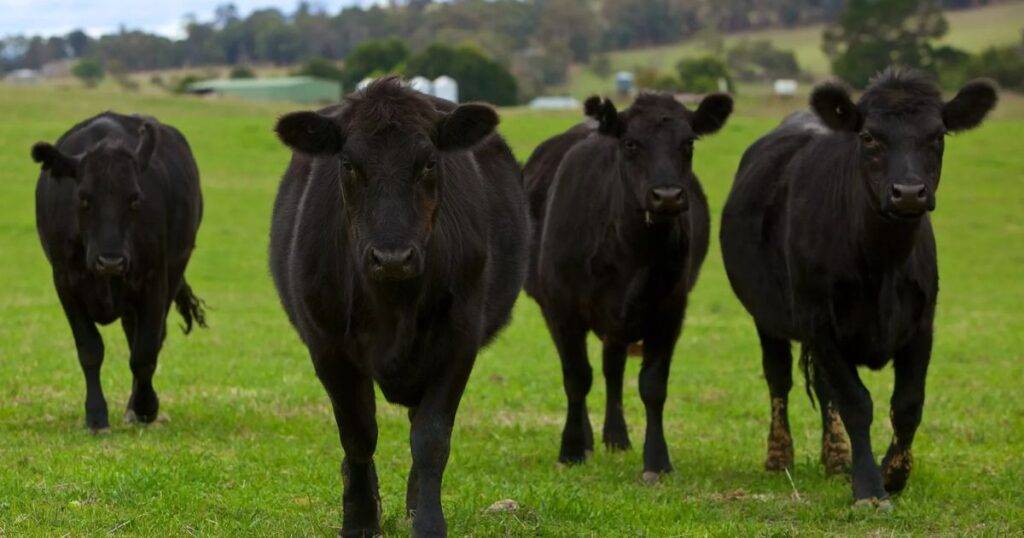 Understanding an animal’s temperament is key to safe and effective handling. Animals with calm, gentle, and social personalities are easier to manage, making daily care, veterinary visits, and training less stressful for both the handler and the animal. Conversely, high-strung, aggressive, or skittish animals require more patience, consistent routines, and sometimes specialized handling techniques.
Breed, age, and past experiences can influence temperament, but proper socialization and positive reinforcement improve manageability over time. Observing body language, establishing trust, and maintaining predictable interactions are essential for safe handling. Overall, knowing temperament helps ensure a harmonious, low-stress relationship between humans and miniature angus cattle animals.
Adaptability and Climate Tolerance
Adaptability and climate tolerance refer to an organism’s ability to survive, grow, and reproduce across varying environmental conditions. Species or breeds with high adaptability can adjust to changes in temperature, humidity, rainfall, and other climatic factors, maintaining health and productivity. This trait is crucial for agriculture, livestock, and horticulture, especially in the face of climate change, extreme weather events, or new geographic aberdeen cows locations.
Animals or plants with strong climate tolerance often require less intervention, feed, or shelter, making them more sustainable and cost-effective. Selecting adaptable breeds or varieties ensures long-term resilience, consistent yields, and reduced vulnerability to environmental stressors.
Climate Resilience
- Performs well in cold and temperate climates
- Can adapt to warmer regions with proper shade and water management
- Thick skin and coat provide natural protection
Grazing and Feeding Flexibility
- Excellent performance on pasture
- Thrives in grass-fed, grain-fed, and mixed systems
- Efficient forage utilization
These characteristics make Aberdeen Angus suitable for a wide range of production systems, from extensive grazing to intensive feedlot operations.
Reproductive Performance and Maternal Traits
Reproductive performance and maternal traits play a vital role in the productivity and sustainability of any livestock system. Strong fertility rates, regular breeding cycles, and high conception success ensure consistent herd growth and efficient resource use. Maternal traits such as mothering instinct, milk production, lambing ease, and protective behavior directly affect offspring survival and early development. Animals with calm temperaments and good nurturing ability reduce labor demands and management stress for farmers.
Together, balanced reproductive performance and reliable maternal traits lead to healthier young, lower mortality rates, and improved overall farm profitability, making them essential factors in successful breeding and long-term livestock management systems.
Early Maturity
Early Maturity refers to crops, plants, or livestock that reach their growth, development, or harvest stage sooner than standard varieties. These varieties are especially valuable for farmers seeking quick yields, multiple cropping cycles, or early market access. Early-maturing crops often require careful selection of suitable climates, soil, and care practices to maximize productivity.
In livestock, early maturity can mean faster growth and earlier readiness for market or breeding. Overall, early-maturing varieties enhance efficiency, reduce risk from adverse weather, and help meet seasonal demand efficiently.
Calving Ease
Calving Ease refers to how easily a cow gives birth, an important trait in livestock management. It is influenced by factors like the cow’s size, age, breed, and the calf’s birth weight and position. High calving ease reduces labor, stress, and the risk of injury or complications for both cow and calf. Farmers often select bulls and cows for this trait to improve herd health and productivity. Monitoring and assisting difficult births ensures animal welfare, lowers veterinary costs, and enhances overall farm efficiency.
Maternal Strength
Angus cows are known for good milk production, strong mothering instincts, and high calf survival rates. These traits reduce labor requirements and improve overall herd productivity.
Feeding Efficiency and Management
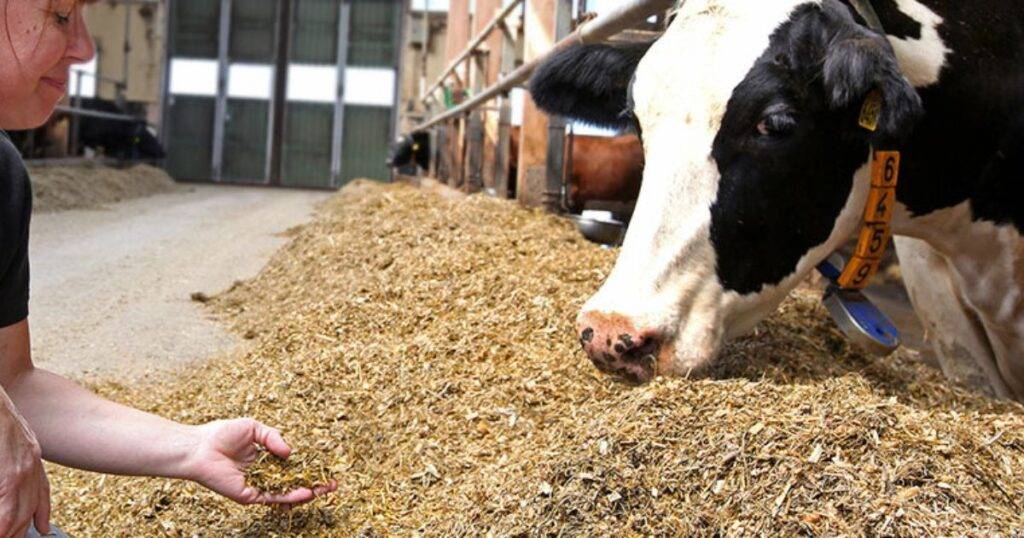 Feeding Efficiency and Management refers to the strategies and practices used to optimize the conversion of feed into animal growth, production, or yield while minimizing waste and cost. It involves selecting high-quality feed, balancing nutrients, and providing the right amounts at the right times to meet animals’ physiological needs. Effective management includes monitoring consumption, adjusting rations based on growth or production stages, and reducing feed losses through proper storage and handling.
Feeding Systems
- Performs well on grass-only diets
- Responds efficiently to grain finishing
- Suitable for organic and natural beef programs
Management Requirements
- Low maintenance compared to larger beef breeds
- Requires standard vaccination and health programs
- Minimal housing needs in most climates
Their efficiency and simplicity make them a popular choice for both beginner and experienced cattle producers.
Economic Value and Market Demand
Feeding Efficiency and Management focuses on using feed resources wisely to support healthy growth, strong productivity, and lower operating costs. Effective management begins with selecting balanced rations that meet nutritional needs without excess waste. Monitoring intake, adjusting feed based on age or production stage, and maintaining clean feeding areas all play a key role. Efficient systems also reduce labor, prevent spoilage, and improve overall animal welfare.
By tracking performance and feed conversion, producers can make smarter decisions that increase profitability while supporting sustainable practices. Well-managed feeding programs lead to consistent results, healthier livestock, and better long-term farm success.
Premium Market Prices
Premium Market Prices” refers to the pricing of goods and products that are positioned above standard market rates due to superior quality, exclusivity, or brand reputation. These prices reflect added value from factors such as premium ingredients, craftsmanship, or sustainable sourcing. Consumers often associate premium pricing with higher reliability, luxury, or enhanced experience.
In marketplaces, understanding premium market prices helps buyers make informed decisions and allows sellers to strategically position their products for maximum profitability. It highlights quality over quantity in purchasing choices.
Brand Recognition
The “Angus” name is widely associated with premium beef, helping farmers and processors market their products more effectively.
Breeding Stock Demand
Registered Angus bulls and heifers are in high demand, both locally and internationally, making breeding operations highly profitable.
Role in Crossbreeding Programs
Crossbreeding programs are vital for enhancing livestock performance, and selecting the right breeds plays a central role. By combining the strengths of different breeds, farmers can improve traits such as growth rate, disease resistance, fertility, and adaptability to local climates. Strategic crossbreeding maximizes heterosis, or hybrid vigor, leading to healthier, more productive animals.
It also allows breeders to balance desirable characteristics, like meat quality and milk yield, while minimizing weaknesses inherent in pure breeds. Careful planning, record-keeping, and understanding of genetic compatibility are essential for success. Overall, crossbreeding programs are a powerful tool to optimize livestock efficiency and sustainability.
Benefits of Angus Crosses
- Improved carcass quality and marbling
- Enhanced fertility and calving ease
- Polled trait reduces management issues
- Better temperament in crossbred offspring
Common crosses include Angus with Brahman, Hereford, or Charolais, combining Angus meat quality with environmental adaptability or growth traits.
Sustainability and Environmental Considerations
 Sustainability and environmental considerations are central to responsible development and resource management. They focus on minimizing negative impacts on ecosystems, conserving natural resources, and promoting practices that meet present needs without compromising future generations. This includes reducing waste, lowering carbon emissions, protecting biodiversity, and adopting renewable energy and eco-friendly technologies.
Businesses, communities, and governments increasingly integrate sustainable strategies into planning, production, and consumption to ensure long-term ecological balance.By prioritizing environmental stewardship, individuals and organizations can contribute to healthier ecosystems, resilient economies, and improved quality of life, fostering a harmonious relationship between human activity and the natural world.
Challenges of Raising Aberdeen Angus
Despite its many strengths, the breed does have some challenges:
- High-quality breeding stock can be expensive
- Black coat may increase heat stress in extremely hot climates
- Premium markets often require strict quality standards
With proper management, these challenges can be minimized effectively.
The Future of Aberdeen Angus
The future of Aberdeen Angus remains very promising. Advances in genetics, including genomic testing, are improving traits such as feed efficiency, disease resistance, and meat quality. At the same time, global demand for premium, traceable beef continues to grow.
As consumers become more selective about quality and sustainability, Aberdeen Angus is well positioned to remain a leading breed in global beef production.
Conclusion:
Aberdeen Angus has earned its reputation as a premium beef cattle breed through a combination of exceptional meat quality, adaptability, efficient production, and strong market demand. For farmers, it offers reliability, profitability, and ease of management. For consumers, it delivers consistent tenderness, flavor, and value.
Whether raised on open pasture or finished in modern feed systems, Aberdeen Angus continues to set the standard for high-quality beef worldwide—and its influence shows no sign of slowing down.
FAQ:
What is Aberdeen Angus?
Aberdeen Angus is a Scottish breed of beef cattle known for its high-quality, well-marbled meat and naturally polled (hornless) trait. They are black or red in color and are highly valued in beef production worldwide.
Why is Aberdeen Angus beef popular?
The meat is tender, juicy, and well-marbled, making it flavorful and ideal for steaks, roasts, and premium beef products.
What is the lifespan of Aberdeen Angus cattle?
They can live 12–20 years, but in commercial beef production, they are usually raised for meat at 18–30 months of age.
Are Aberdeen Angus cows good for breeding?
Yes, they are excellent mothers, easy to calve, and produce healthy calves, making them popular for breeding programs.
Do Aberdeen Angus cattle require special care?
They are hardy and adaptable to various climates, but like all cattle, they need proper nutrition, shelter, and veterinary care.
