
The turkey is one of the most important livestock and poultry species in the U.S, with a history that originated in Mexico and later spread across North America. The eastern wild turkey played a significant role in the development of domestic turkeys, which were later selectively bred for size, plumage, and meat quality. Today, a reliable hatchery is the starting point for most farmers and homesteaders, supplying healthy poult or chick stock.
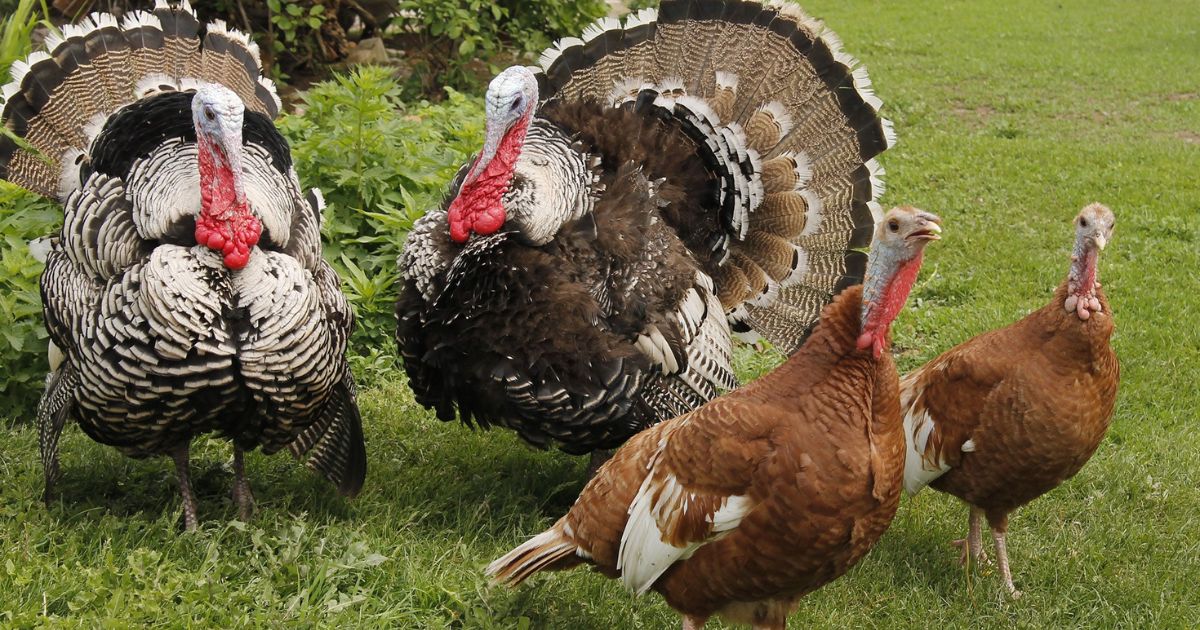
There are many breeds of turkeys, ranging from heritage turkeys to popular commercial types. Well-known turkey varieties include bronze turkey, white turkey, black turkey, royal palm turkey, Narragansett, slate turkeys, bourbon red, white holland turkey, Beltsville small white, midget white, chocolate turkeys, Norfolk black, Spanish black, and Jersey buff. Many of these are heritage birds and heritage breed options protected by the Livestock Conservancy.
Heritage vs Commercial Turkey Breeds
Choosing the right turkey breed depends on your goals: conservation, egg production, or meat. Heritage turkeys such as standard bronze, white hollands, narragansetts, slate, and royal palm are slower growing but known for strong genetics, natural broody behavior, and excellent forage ability. These birds are ideal for free-range systems, offering benefits like insect control and resilience.
On the other hand, broad-breasted breeds dominate popular commercial production. The broad-breasted white, broad-breasted bronze, and broad-breasted bronze turkeys are a typical commercial breed, raised primarily for size and efficiency. These meaty birds can weigh 25-33 pounds or more, with toms often significantly heavier than hens. How to Grow a Black Pepper Plant from Your Garden Some hens lay fewer eggs, but growth is usually rapid, and they are ready for harvest at 24 weeks.Smaller breeds like the midget, midget white, or beltsville petite white mature at 10 to 16 pounds, making them an excellent option for small farms. Each option serves a different purpose within livestock, balancing sustainability, tradition, and productivity.
Raising Turkeys: Flock Management and Growth
Successful turkey farming starts with proper flock management. Whether raising heritage birds or broad-breasted breeds, turkeys require clean housing, quality feed, and space to grow. Poultry farmers often choose free-range systems, allowing birds to forage naturally while improving meat quality. Forage not only reduces feed costs but also enhances flavor and overall health.A balanced breeding program focuses on egg production, strong plumage, and healthy carcass development. Breeder stock selection is crucial, especially for rare livestock breeds supported by the Livestock Conservancy. Many heritage turkeys show natural mating behavior, unlike some commercial breed birds.

Growth rates vary by breed. Smaller turkeys reach standard weight faster, while larger broad-breasted white birds can exceed 24 weeks before processing. Typical weights include pounds and hens averaging 12–18 pounds and toms exceeding 25 pounds. Farms sourcing poults from trusted suppliers, such as Murray McMurray Hatchery, benefit from consistent genetics. Understanding mutation, health needs, and breed traits ensures a productive and sustainable turkey operation.
From Harvest to Table: Meat Quality and Use
The final stage of the Turkey Breed Guide: From Hatchery to Table is processing and use. Proper harvest timing affects meat quality. Heritage breed turkeys are prized for rich flavor, firm texture, and superior meat quality, while broad-breasted white birds offer larger portions and uniform carcass size for markets.
At processing, a skilled butcher ensures clean results, preserving skin and plumage integrity where needed. Smaller breeds provide manageable, smaller-sized carcasses ideal for family consumption, while large toms may reach 33 pounds dressed weight. Farmers raising livestock and poultry for local sales often highlight traditional breeds like bourbon red, white holland, or standard bronze as premium products.From roasting to smoking, turkey meat is versatile and nutritious. Whether raised for conservation, self-sufficiency, or profit, turkeys remain a cornerstone of American poultry farming. With thoughtful breed selection and care, this excellent choice of livestock continues to support farmers, homesteaders, and consumers alike from hatchery to table.
Egg Production, Breeding & Genetics
Different turkey breeds vary greatly in egg production and breeding behavior. Most heritage turkeys are naturally broody, meaning the hen can hatch and raise her own poult, which is ideal for small farms and homesteaders. On average, hens lay 60–100 eggs per year, depending on the breed. Narragansett, bourbon red, and white Holland turkey breeds are especially valued for steady laying and strong maternal instincts.Commercial lines such as broad-breasted white and broad-breasted bronze are heavily selected for size and meat yield rather than fertility. As a result, artificial insemination is often required. This difference is significant when choosing between heritage breed and commercial breed turkeys.
Genetic diversity is protected by organizations such as the Livestock Conservancy, which helps ensure that rare livestock breeds such as Norfolk Black, Spanish Black, and Slate Turkeys survive. Breeds recognized by the APA follow strict standards outlined in the Standard of Perfection, helping maintain purity and quality across generations of American poultry.
Feed, Foraging & Free-Range Benefits

Nutrition plays a critical role in raising healthy domestic turkeys. While commercial feeds support rapid growth in broad-breasted breeds, heritage birds thrive in pasture- and free-range environments. These birds actively forage for grass, seeds, and insects, providing natural insect control and lowering feed costs.Free-ranging improves muscle tone and results in more meaty, flavorful meat. Royal palm turkey, Narragansetts, and standard bronze are exceptionally efficient foragers. How to Raise Homing Pigeons Smaller birds like midgets and midget whites adapt well to limited space while still benefiting from outdoor systems.
Balanced feeding programs also affect final carcass weight. Depending on the breed, turkeys may finish at 10, 16, 25, or even 33 pounds. Farms that combine quality feed, pasture access, and good management produce turkeys with excellent meat quality and are increasingly popular choices among local and ethical meat consumers in the U.S.
Market Demand, Processing & Profitability
Understanding market demand is essential when raising turkeys as livestock. Popular commercial birds, like the broad-breasted white, dominate supermarket sales due to their uniform size and efficiency. However, demand for heritage turkeys is growing rapidly among chefs, farmers’ markets, and health-conscious buyers.Processing age varies by breed. Heritage birds are usually ready for harvest at around 24 weeks, while commercial birds grow faster. 10 Stunning Early Spring White Flowering Trees Skilled butcher work ensures clean cuts and premium presentation. Smaller birds are often preferred by households, while larger toms are better suited to events and restaurants.
By marketing the breed’s history in Mexico, traditional genetics, and superior flavor, farmers can add value. From hatchery sourcing to table-ready products, turkeys remain one of the most versatile and profitable livestock and poultry options.
Housing Health & Biosecurity
Proper housing is essential for raising healthy domestic turkeys as productive livestock. Turkeys need dry, well-ventilated shelters that protect them from predators and harsh weather. Good biosecurity practices, such as limiting visitor access, cleaning equipment, and isolating new birds, help prevent disease in the flock.Compared to other poultry, turkeys are sensitive during early growth stages. Clean bedding and fresh water reduce stress and improve survival rates of poult and chick stages. What Is the Difference Between Subsistence And Commercial Heritage breeds generally show stronger immunity, while broad-breasted breeds require closer monitoring due to rapid growth and heavier body weight.
Routine health checks, proper vaccination where recommended, and balanced nutrition ensure strong carcass development and excellent meat quality. Healthy birds reach standard weight on time and provide better returns for homesteaders and commercial farmers alike.
Conservation Sustainability & Future of Turkey Breeds
The future of turkey farming depends on protecting genetic diversity within livestock breeds. Many rare heritage turkeys, such as royal palm, Norfolk black, and slate, are maintained through conservation programs supported by the Livestock Conservancy. These efforts prevent loss caused by over-reliance on a few commercial breed lines.Sustainable systems emphasize free range, natural forage, and ethical management. These practices improve animal welfare and create premium products valued by modern consumers. Different Types of Cows: Breeds Characteristics and Uses Explained By raising heritage birds, farmers contribute to conservation while meeting niche market demand.

As interest in local food and resilient agriculture grows, turkeys remain a cornerstone of American poultry and livestock systems. Preserving traditional genetics today ensures substantial, adaptable turkey populations for future generations, making turkey farming both a responsible and rewarding choice.
Conclusion
Raising turkeys successfully requires the right balance of breed selection, proper management, and a clear production goal. From choosing healthy poults at a trusted hatchery to understanding growth rates, egg production, and final harvest, every step matters. Whether you prefer heritage turkeys for their rich history, strong foraging ability, and superior flavor, or broad-breasted breeds for efficient meat yield and market demand, each turkey breed offers unique advantages.
As a valuable part of livestock and poultry farming, turkeys contribute not only high-quality protein but also to sustainability through free-range systems and natural insect control. With guidance from organizations like the American Poultry Association and conservation efforts by the Livestock Conservancy, farmers and homesteaders can confidently raise healthy, productive flocks. Ultimately, this Turkey Breed Guide: From Hatchery to Table highlights why turkeys remain an excellent choice for modern agriculture, combining tradition, profitability, and outstanding meat quality from farm to family table.
FAQ
What is the best turkey breed for beginners?
Breeds like bourbon red, Narragansett, and midget white are a great option because of their serene disposition. good egg production, and easy management.
What is the difference between heritage and broad-breasted turkeys?
Heritage turkeys can mate naturally, forage well, and grow more slowly. Broad-breasted breeds grow faster, produce larger breasts, but often require assisted breeding.
How much do turkeys weigh at harvest?
Weights vary by breed. Smaller birds finish around 10–16 pounds, while commercial toms can reach 25 pounds or even 33 pounds.
Are all turkey breeds recognized by the APA?
No. Only breeds that meet specific criteria are recognized by the APA under the Standard of Perfection.
Where can I buy quality turkey poults?
Reputable hatcheries such as Murray McMurray Hatchery offer a wide range of healthy turkey varieties for farms and homesteads.