
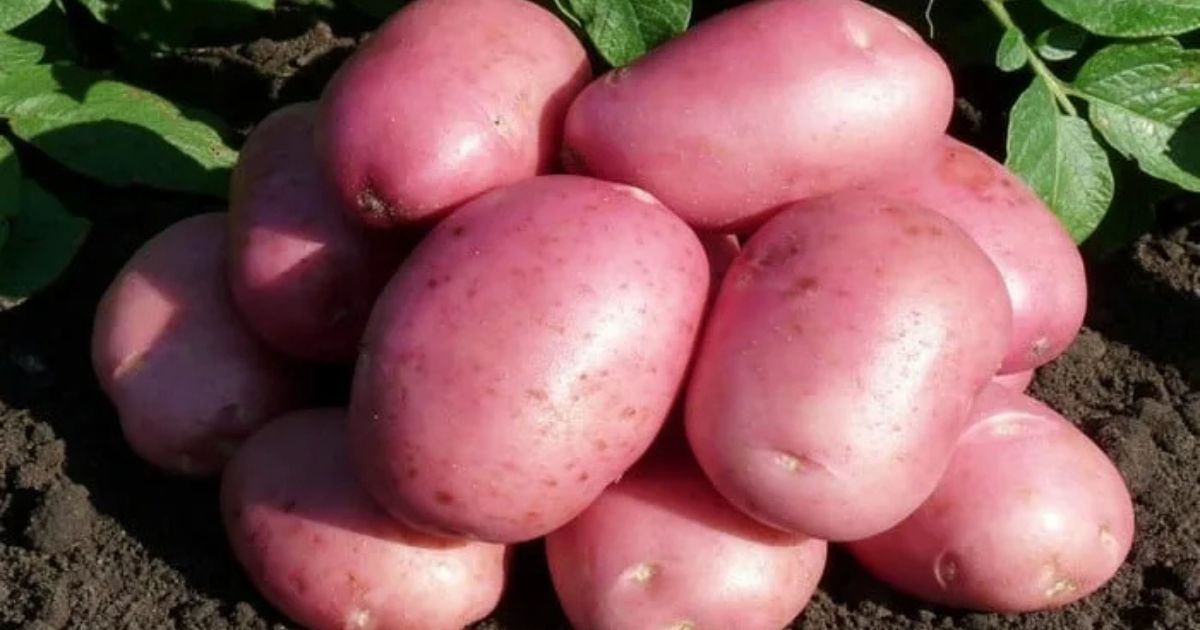
Potatoes may look tough underground, but when it comes to water, they’re surprisingly sensitive. Too little water leads to small, misshapen tubers. Too much water invites rot, disease, and disappointing harvests. If you’ve ever wondered exactly how much water potato plants need—and when they need it most—this guide has you covered.
Whether you’re growing potatoes in raised beds, containers, or open fields, proper potato watering is one of the most significant factors separating an average crop from a great one.
Why Water Is So Important for Potato Plants
Water is essential for potato plants because it directly influences growth, yield, and the quality of the tuber base of each plant. Potatoes have shallow roots, making them highly sensitive to soil moisture. Adequate water supports cell expansion, nutrient uptake, and photosynthesis, which are vital for healthy foliage and tuber growth in large containers. During critical stages like tuber initiation and bulking, consistent moisture ensures uniform tuber size and prevents deformities such as cracking or hollow heart.
Conversely, overwatering can lead to water retention, root rot, fungal diseases, and poor seed storage quality, while underwatering causes stunted growth and reduced yields. Proper irrigation not only maximizes gardener productivity but also maintains soil health, promotes efficient nutrient absorption, and ensures that potatoes develop into high-quality, market-ready tubers.
How Much Water Do Potato Plants Need Per Week?
Potato plants require careful water management to ensure healthy growth, larger potatoes, optimal tuber size, and high yield. On average, potatoes need about 25–50 mm (1–2 inches) of water per week, including rainfall and irrigation, depending on water requirements, growth stage, soil type, and climate. Early stages, such as sprouting and vegetative growth, require moderate moisture, while tuber initiation and seed potato bulking are critical periods with peak water demand.
Disease and root rot can result from overwatering, although underwatering leads to small, misshapen tubers. Using efficient irrigation methods like drip or sprinkler systems, monitoring soil moisture, and adjusting irrigation based on rainfall helps maintain consistent hydration. Proper weekly watering ensures healthy foliage, robust tubers, and a much more successful potato tuber harvest.
Water Needs at Each Potato Growth Stage
 Potato plants require varying amounts of water at each growth stage to ensure healthy development and high yields. During planting to emergence, the soil should be lightly moist to support sprouting without causing seed rot. During the vegetative growth stage, moderate, consistent watering promotes strong foliage and root development. Water-growth conditions demand increase significantly during tuber initiation, as moisture stress can reduce tuber number and water potato shape.
The highest water requirement for potatoes occurs during tuber bulking, when potatoes rapidly increase in size and need evenly moist soil. As plants mature, garden before harvest, gradually reduce watering to help set tuber skins, an inch of water, for harvesting, and improve storage quality.
Planting to Sprouting (Weeks 1–3)
Water requirement: Low to moderate
After planting seed potatoes, water lightly to settle the soil. During this stage:
- Soil should be slightly moist, not wet
- Overwatering can rot seed potatoes before sprouting
- Allow the top inch of soil to dry between watering
If rainfall is adequate, extra watering may not be necessary.
Vegetative Growth (Leaf and Stem Development)
Water requirement: Moderate
Once shoots emerge and leafy growth begins, water needs increase.
- Aim for about 1 inch of water per week
- Keep soil evenly moist
- Avoid waterlogging, especially in clay soils
Healthy foliage at this stage lays the foundation for strong tuber production later.
Flowering and Tuber Initiation (Critical Stage)
Water requirement: High and consistent
This is the most critical stage for potato watering. Tubers begin forming just as the plants’ early potatoes flower.
- Provide 1.5 to 2 inches of water per week
- Never let soil dry out completely
- Inconsistent watering causes small or deformed potatoes
Water stress during this stage can permanently reduce yield.
Tuber Bulking (Potato Enlargement)
Water requirement: High
Tubers increase rapidly in size during this phase.
- Maintain steady moisture levels
- Mulch heavily to retain soil moisture
- Frequent shallow watering is inferior to deep irrigation.
Uneven moisture can cause tubers to crack or develop hollow centers.
Maturation and Pre-Harvest
Water requirement: Low
About 2–3 weeks before harvest, reduce watering.
- Allows potato skins to harden
- Improves storage quality
- Reduces risk of rot and disease
Once the foliage starts to yellow and die back, stop watering almost entirely.
How Soil Type Affects Potato Watering
 The kind of soil is essential in determining how much and how often potato plants need to be watered. Sandy soils drain quickly and hold less water. Loamy soils provide the ideal balance of drainage and water retention, allowing potatoes to access moisture consistently with moderate watering. Clay soils retain water for extended periods but drain slowly, increasing the risk of waterlogging, root rot, and disease if overwatered.
Understanding potatoes: prefer your soil’s texture and structure. Plants are flowering; it helps you certify seed potatoes. Adjust irrigation timing, depth, and frequency. Proper soil-specific watering improves root health, supports even tuber development, and ensures higher potato yields with efficient water use.
Sandy Soil
- Drains quickly
- Requires more frequent watering
- Often needs mulch to prevent moisture loss
Loamy Soil (Ideal)
- Holds moisture while draining excess water
- Allows for balanced watering
- Best for potato production
Clay Soil
- Holds water longer
- Risk of waterlogging
- Requires careful irrigation and good drainage
Knowing your soil type helps you adjust both the amount and frequency of watering.
Watering Potatoes in Hot vs Cool Climates
Watering needs for growing season potatoes vary greatly between hot and cool climates. In hot, dry regions, higher temperatures increase evaporation and plant transpiration, so potatoes require more frequent and deeper watering to maintain consistent soil moisture, especially during tuber formation and bulking. Mulching and drip irrigation help reduce water loss and prevent heat stress.
In cooler climates, evaporation rates are lower, and rainfall often supplies part of the crop’s needs. Here, potatoes require less frequent irrigation, and overwatering must be avoided to prevent waterlogging and disease. Adjusting irrigation schedules based on climate ensures healthy growth, uniform tubers, and optimal yields across all growing potato conditions.
Hot, Dry Weather
- Increase watering frequency
- Monitor soil moisture daily
- Mulch to reduce evaporation
Cool or Humid Weather
- Reduce watering
- Watch for fungal diseases
- Ensure good airflow and drainage
Potatoes prefer cool soil temperatures, but moisture must remain consistent regardless of climate.
How to Water Potato Plants Properly
 How to Water Potato Plants Properly focuses on raised beds, providing the right amount of moisture at each growth stage to ensure healthy plants and high yields. Potato plants require consistent, deep watering rather than frequent shallow irrigation. Proper watering supports strong root development, improves tuber formation, and prevents common problems such as the need to water, cracking, rot, and the stop-watering watering potatoes disease.
This guide explains when to increase watering during tuber initiation nd bulking, how soil type affects water needs, and why overwatering can be just as harmful as drought stress. By using efficient irrigation methods, monitoring soil moisture, and watering only before dieback harvest, growers can improve potato quality, maximize yield, and conserve water effectively.
Best Watering Methods
Proper watering is inch of how much water for potatoes water per week crucial for healthy plant growth, high yields, and efficient water use. The best watering methods focus on reducing waste by delivering water straight to the root zone and minimizing disease risk. Drip irrigation is highly effective, providing 2 inches of water and precise moisture while reducing tuber growth evaporation, making it ideal for home gardens and 6-inch commercial crops.
Sprinkler systems offer uniform coverage for larger fields but may increase leaf wetness and evaporation. Furrow or flood irrigation do potatoes like full sun works for traditional setups, but potato seed must be handled carefully to avoid waterlogging.
Drip irrigation
- Delivers water directly to roots
- Reduces leaf wetness and disease
- Most efficient soil moisture method
Soaker hoses
- Excellent for garden beds
- Provides slow, deep watering
Hand watering
- Works for small gardens
- Must be done evenly and deeply
Avoid overhead sprinklers whenever possible, especially during humid weather.
How Deep Should You Water Potatoes?
 Potato plants have relatively shallow root systems, so the depth of watering is critical for healthy growth and high yields. Ideally, water should penetrate 12–18 inches (30–45 cm) into the soil, reaching the active root zone where most nutrient uptake occurs. Shallow watering only wets the surface and encourages weak roots, while deep watering white potatoes promotes more vigorous plants and consistent tuber how often to water potatoes development.
Soil type affects watering depth—sandy soils require deeper, more frequent watering, while clay soils need slower, less frequent irrigation to avoid waterlogging. Checking soil moisture below the surface ensures that potatoes receive enough water without excess, helping prevent stress, disease, and poor-quality store potatoes.
Signs of Overwatering Potato Plants
reducing seed piece waste and delivering water straight to the root zone
Common symptoms include:
- Yellowing leaves
- Wilting despite wet soil
- Soft or mushy stems
- Rotting seed potatoes or tubers
- Increased fungal diseases
If you notice these signs, reduce watering immediately and improve drainage.
Signs of Underwatering Potato Plants
Underwatering potato plants by an inch deep can quickly affect growth, yield, and tuber quality. One of the earliest signs is wilting leaves, especially during the cooler parts of the day, indicating organic matter is under prolonged moisture stress. Leaves may turn dull green or yellow, curl inward, and become dry or brittle over time. Plant russet growth slows noticeably, resulting in shorter stems and smaller leaves.
Below ground, a lack of water often results in small, misshapen, or cracked tubers weeks after planting. Severe drought stress can also cause premature flowering or early plant dieback, reducing overall yield from deep watering. Consistently dry soil around the root zone is a clear warning that container-grown potato irrigation levels need immediate adjustment.
Watering Potatoes in Containers
Container-grown potatoes dry out faster than those in the ground.
Tips for container potatoes:
- Water daily in hot weather
- Ensure containers have drainage holes
- Use a moisture-retentive potting mix
- Mulch the soil surface
Containers may need up to 2 inches of water per week, sometimes more during heat waves.
Mulching and Water Conservation
 Mulch is one of the best tools for managing potato moisture.
Benefits include:
- Reduces evaporation
- Regulates soil temperature
- Prevents soil crusting
- Suppresses weeds
Best mulch options:
- Straw
- Dried grass clippings
- Shredded leaves
Rainfall grow bags play a crucial role in meeting potato plants’ water needs, complementing irrigation and reducing overall water use. Potatoes require consistent moisture, especially during tuber initiation and bulking stages, and natural rainfall can supply a significant portion of this demand. However, rainfall is often irregular in both timing and amount, making supplemental irrigation essential to keep the soil moist and avoid water stress or overwatering.
Growers must closely monitor rainfall and adjust irrigation schedules to maintain even soil moisture. Correctly accounting for rainfall helps conserve water, prevent nutrient leaching, reduce the risk of waterlogging, and ensure healthy tuber development, leading to higher yields and better-quality inches of potato crop water per potato.
Common Potato Watering Mistakes
Avoid these common errors:
- Watering too often, but too shallow
- Letting the soil dry out during flowering
- Overwatering near harvest
- Poor drainage in heavy soils
- Wetting leaves late in the day
Correcting these planting mistakes can dramatically improve yields.
Conclusion:
In conclusion, potato plants require careful and consistent water management to achieve healthy growth, optimal tuber size, and high yields. Their water needs vary across growth stages, from moderate moisture during emergence, increasing to peak demand during tuber initiation and bulking, then tapering off as the plants mature. Both underwatering and overwatering can harm the crop, leading to stunted growth, misshapen tubers, or rot.
Factors such as soil type, climate, how much water does a potato need and irrigation method play a crucial role in establishing the exact water requirements. By monitoring soil moisture with fungal monitoring, using efficient irrigation techniques like drip systems, and adjusting for rainfall, growers can ensure potatoes receive the right amount of water at the right time, maximizing irrigation yield and harvest potato how much water do potatoes need quality.
FAQ:
How Much Water do Potato Plants need per Week?
Potato plants generally need 25–50 mm (1–2 inches) of water per week, depending on their growth stage, plant type, and climate. Early growth requires less water, while tuber bulking (when potatoes grow underground demands the most consistent growing well-spud moisture.
How Much Water do Potato Plants need per day?
Daily water needs for Colorado potato by soil type and weather conditions. On average, potatoes require 3–6 liters per square meter per day during peak growth in hot, dry conditions in Colorado. Constantly adjust based on rainfall and soil moisture.
Can I Grow Potatoes in Containers? How much Water do they Need?
Potatoes in containers dry out faster than field crops. Later, when the top 2–3 cm of soil is dry, usually once or twice a day in hot weather. Ensure containers have excellent water drainage.
Can Mulching help with Potato Water Management?
Yes. Consistently moist mulching helps retain soil moisture, regulate temperature, and reduce evaporation. Good potato flower mulch materials include plant straw, leaf litter, grass clippings, or home garden compost.
Are Modern Technologies Effective for Optimizing Potato Watering?
Yes. Precision irrigation tools, hill-soil moisture sensors, and AI-based watering systems can optimize water use, improve yield, and conserve water. Drip irrigation combined with soil moisture monitoring is currently the most effective practice for keeping the soil moist before planting potatoes.