
Potatoes are one of the most rewarding crops for a home gardener, but knowing how much water a potato plant really needs is essential to success. Whether you grow potatoes in open soil or in containers, proper watering plays a key role from the moment seed potatoes begin to sprout until the final stage of harvesting. Too little water can limit tuber development, while too much water may lead to rot and poor yields. Because potatoes need to be watered differently at different growth stages, understanding when and how to water them correctly can significantly improve plant health, tuber size, and overall productivity. This approach can help you ascertain the precise amount of water a potato plant requires and how to manage watering for the best results.
Understanding Potato Water Needs
To grow healthy, productive potatoes, it’s essential to understand their specific water requirements. A potato plant has a relatively shallow root system, which means it depends on consistent soil moisture to absorb nutrients and support steady growth. Unlike deep-rooted crops, potatoes cannot tolerate long dry periods, especially during active growth.Water plays a vital role in every stage of development. From the time seed potatoes sprout, moisture helps establish strong roots and leafy growth. As the plant matures, adequate water supports photosynthesis, nutrient transport, and energy storage. The most critical period for watering occurs when the plant begins forming tubers. During this stage, uneven or insufficient water can result in small, misshapen potatoes or reduced yields.
However, potatoes are also sensitive to excess moisture. Overwatering can cause poor oxygen circulation in the soil, leading to root stress, fungal diseases, and rotting tubers. This is why well-draining soil and balanced watering are essential. The goal is to keep the soil evenly moist—never completely dry and never waterlogged. Fastest Growing Vegetables for Your Garden For gardeners growing potatoes in the ground or in containers, regularly monitoring soil moisture is key. Understanding these water needs helps ensure healthy plants, better tuber development, and a successful harvest.
How Often to Water Potatoes
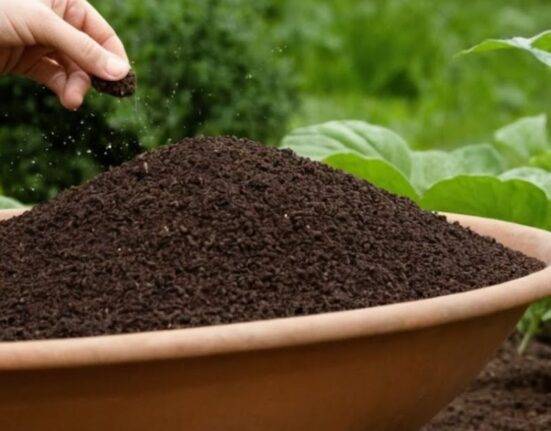
How often do you water potatoes? The answer depends on potato growing conditions, soil type, and where the plants are grown. In general, potatoes like consistently moist soil throughout the growing season, but they do not tolerate soggy conditions. Knowing when it’s time to water is key to producing healthy plants and high-quality tubers.Most potatoes need about 1 inch of water per week from rainfall or irrigation. This amount helps maintain proper soil moisture without causing waterlogging. If the top few inches of soil feel dry, it’s a clear sign you need to water. Adding organic matter, such as compost, strengthens the soil’s structure and improves moisture retention, reducing the need for frequent watering.

Because containers dry out faster than garden beds, potatoes in containers require more frequent watering. Every day, especially in warm weather, check the soil moisture content. When cultivating potatoes in pots, make sure to water them well until any extra water runs off the bottom of the pot. Different potato varieties may have slightly different water needs, but most potatoes like steady, even moisture. During tuber formation, consistent watering is essential for developing smooth, well-sized new potatoes. Irregular watering at this stage can lead to cracked or deformed tubers.As plants mature and you prepare to harvest potatoes, reduce watering about one to two weeks before harvest. This allows the skins to set correctly, improving storage quality and making harvesting easier. By maintaining a balanced watering routine, you can support healthy potato growth from planting to harvest.
How Much Water Do Potatoes Need?
How often you water potatoes depends on several factors, including soil type, weather, and planting method. As a general rule, potatoes need about 11 to 22 inches of water per week during active growth. This water per week helps keep the soil evenly moist, which is essential for healthy root development and tuber formation.A consistent watering schedule is one of the best practices for watering potatoes. Instead of light, frequent watering, apply water deeply so moisture reaches the root zone. If the top few inches of soil feel dry, it’s a sign that watering is needed. Potatoes grown in a raised bed may require more frequent watering because the soil drains more quickly than in an in-ground bed.
Proper watering frequency is fundamental to avoid overwatering, Sweet Potatoes and Irish Potatoes: A Tasty Showdown which can reduce soil oxygen levels and lead to diseases such as root rot. Always allow excess water to drain freely and avoid letting plants sit in waterlogged soil.As the plants approach maturity, gradually stop watering one to two weeks before harvest. This helps toughen the potato skins, making them easier to store potatoes for long-term use. By maintaining balanced moisture and following proven watering practices, you can ensure healthy potato plants and a successful harvest.
Best Time of Day to Water Potatoes
The best time of day to water potatoes is early in the morning. Morning watering allows moisture to soak deeply into the soil while the temperatures are cooler, reducing evaporation and water loss. It also gives the leaves time to dry during the day, preventing fungal infections and keeping potato plants healthy.Watering in the evening or at night is generally not recommended. When moisture sits on leaves and soil surfaces overnight, it can increase the risk of disease and rot. Consistent morning watering supports steady growth and ensures the roots have access to water throughout the day.
During very hot or dry weather, you may need to check soil moisture more frequently. If the soil dries out quickly, a light supplemental watering in he late afternoon can help, but avoid soaking the foliage. The objective is to maintain uniform soil moisture levels without creating conditions that promote disease.
Soil Type and Drainage Considerations

Soil type and drainage play a significant role in how well potatoes grow and how often they need water. Potatoes perform best in loose, well-draining soil that allows excess water to move away from the roots while still holding enough moisture for steady growth. Poor drainage can quickly lead to waterlogged conditions, increasing the risk of disease and reducing tuber quality.Sandy soil drains quickly and warms up fast, which is helpful for early growth, but it also dries out faster. In sandy soil, potatoes may need more frequent watering to maintain consistent moisture. Adding organic matter, such as compost, improves water retention and nutrient availability.
Clay soil, on the other hand, holds water for extended periods and can easily become compacted. In heavy clay soil, careful watering is essential to avoid overwatering and root problems. Improving clay soil with compost and planting potatoes in raised beds can greatly enhance drainage and air circulation.Loamy soil is ideal for potato growing because it balances drainage and moisture retention. No matter the soil type, good drainage is essential.
Weather and Climate Factors
Weather and climate strongly influence how often potatoes need to be watered. Temperature, rainfall, humidity, and wind all affect how quickly moisture evaporates from the soil and how much water a potato plant uses during the growing season.In hot or dry weather, soil moisture can disappear quickly, especially from the upper soil layers. Under these conditions, potatoes usually need more frequent watering to prevent stress and ensure proper tuber development. Mulching around the plants can help reduce evaporation What Not to Plant with Tomatoes and keep the soil cooler.Cool or rainy weather reduces the need for additional watering. When rainfall is consistent, it’s important to monitor soil moisture and avoid overwatering, as excess water can lead to disease and poor root health. Prolonged wet conditions increase the risk of rot, so good drainage becomes even more critical.
Climate also affects regional watering habits. In dry climates, regular irrigation is often necessary throughout the season. In more humid or temperate regions, watering needs may vary based on natural rainfall. By adjusting watering practices to match local weather and climate, gardeners can maintain healthy plants and produce higher-quality potatoes.
Best Watering Methods for Potatoes
Using proper watering methods is essential for healthy potato plants and a successful harvest. Potatoes require steady moisture throughout the growing season, starting from planting time, when the soil should already be well prepared and able to drain correctly. Maintaining constant soil moisture is the aim. not overly wet, so roots can develop without stress.One of the best techniques is deep watering. Potatoes require water to reach about 6 inches deep into the soil, where most roots are active. Applying 1 to 2 inches per week allows moisture to penetrate deeply rather than staying on the surface. What is the Process of Growing Soybeans This encourages strong root growth and helps plants grow steadily as they start forming tubers.
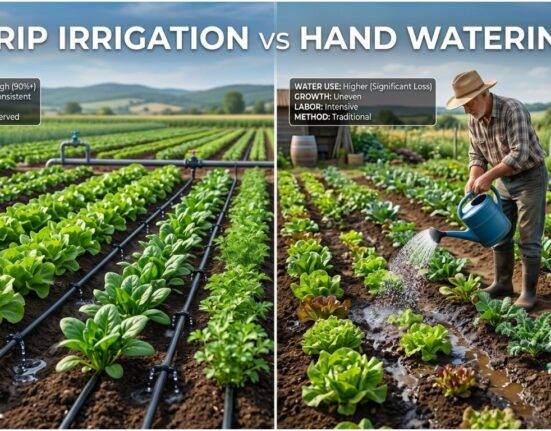
Drip irrigation and soaker hoses work exceptionally well in garden beds because they deliver water slowly around the plant, reducing waste and keeping foliage dry. These methods are ideal for heavy soils like clay soil, where slow, controlled watering prevents water from pooling and limits the risk of disease.As potatoes mature and approach harvest time, watering should be reduced. This helps firm up the skin and improves storage quality. By choosing effective watering methods and maintaining proper moisture levels, you support healthy growth from planting to harvest and ensure strong yields at the end of the season.
Common Watering Mistakes to Avoid
One of the most common mistakes gardeners make is failing to keep the soil consistently moist. Potatoes prefer even moisture, especially during early plant growth and tuber development. According to any reliable growing guide, potatoes require about 1–2 inches of water per week, applied deep to reach the root zone. Shallow watering can weaken roots and limit yields.Another mistake is watering at the wrong time. Some gardeners wait until he soil surface is dry, while others water too frequently. The best approach is to regularly monitor soil moisture levels. If the top few inches are dry, it’s time to water, but don’t let the soil dry completely. Boosting Soil Health The soil should never be waterlogged; instead, it should always be continuously moist.

Overwatering as potatoes mature is also a standard error. As plants approach harvest, reduce watering. Continuing heavy watering at this stage can cause poor skin development and storage prob ems.Finally, ignoring plant signals can lead to problems. When plants show signs such as wilting, yellowing leaves, or slow growth, it often indicates improper watering. From planting time to harvest, understanding what potatoes prefer and adjusting watering habits accordingly will lead to healthier plants and better overall results.
Conclusion
Proper watering is one of the most important factors for growing healthy, high-yield potatoes. From planting time to when potatoes mature, maintaining the right balance of moisture helps plants grow strong, develop quality tubers, and achieve a successful harvest. Potatoes prefer consistently moist soil, with about 1–2 inches per week delivered through deep watering to encourage healthy roots and prevent stress.
By following a well-planned watering schedule, monitoring soil moisture levels, and avoiding common mistakes such as overwatering or allowing the soil to dry out excessively, gardeners can ensure their potato plants thrive. Whether growing in garden beds or potatoes in containers, understanding when it’s time to water, how much water potatoes require, and the best watering methods will help produce robust plants and tubers ready for harvest. With careful attention to these practices, you can enjoy a bountiful crop of nutritious, homegrown potatoes that store well and taste great.
FAQ
How often do I need to water potatoes?
Potatoes generally need about 1–2 inches of water per week. The frequency depends on soil type, weather, and growth stage. Check soil moisture regularly and water when the top few inches are dry.
Can I overwater potatoes?
Yes. Overwatering can cause root rot, poor tuber development, and disease. Maintain constant soil moisture at all times. not soggy.
When is the best time to water potatoes?
Early morning is ideal. Watering in the morning allows soil to absorb moisture and leaves to dry during the day, reducing the risk of fungal diseases.
How much water do potatoes require?
Most potato plants need 1–2 inches of water per week, applied deeply to reach the root zone. Adjust based on rainfall and soil type.
How do I water potatoes in containers?
Potatoes in containers dry out faster than in-ground plants, so check the soil daily. Use deep watering to saturate the soil and ensure proper drainage, preventing rot.