
An efficient irrigation system depends heavily on the right irrigation pipe and pipeline design to deliver water where it is needed most. Whether used in agriculture, gardens, or landscapes, irrigation pipes help move water from the pump to crops through drip lines or sprinkler systems. Popular materials such as PVC are widely used because they are durable, easy to install, and cost-effective. Modern irrigation pipes also offer excellent flexibility, making them suitable for different field layouts and soil conditions. Choosing the right irrigation pipe provides significant advantages, improving water efficiency, reducing waste, and ensuring healthy plant growth.
What Is an Irrigation Pipe?
An irrigation pipe is a specially designed pipe used to transport water from a source such as a pump, well, river, or storage tank to crops, gardens, or landscaped areas within an irrigation system. Its primary purpose is to deliver water efficiently and evenly, ensuring plants receive the moisture they need for healthy growth.Irrigation pipes form the backbone of the entire irrigation system, connecting the water source to various distribution methods such as sprinkler systems, drip lines, or surface irrigation channels. These pipes are available in multiple materials, including PVC, HDPE, and LDPE, each chosen based on water pressure, climate, and field conditions. 5 Common Mistakes In Sprinkler System Design PVC irrigation pipes are popular because they are durable, easy to install, and corrosion-resistant.
Modern irrigation pipes are designed to handle different flow rates and pressures while offering flexibility for installation in diverse terrains. By using the right irrigation pipe, farmers and gardeners gain a significant advantage—better water management, reduced water loss, and improved crop productivity.
Common Types of Irrigation Pipes
An efficient irrigation pipeline depends on selecting the right irrigation pipe for each application. Different farming and gardening needs require other materials and designs. Below are the most common options used in modern irrigation.PVC pipes are among the most widely used materials in irrigation systems. This type of pipe is strong, long-lasting, and highly corrosion-resistant, making it suitable for both underground and surface use. PVC pipes work well in sprinkler irrigation systems that require steady pressure. They are easy to connect using standard fitting components, which simplifies installation and maintenance.

For drip irrigation and drip irrigation systems, flexible plastic pipes such as LDPE and HDPE are commonly used. These pipes are lightweight and flexible, allowing them to follow field contours without breaking. Their flexibility makes them ideal for precise water delivery close to plant roots, improving efficiency and reducing water waste.In some irrigation setups, a combination of rigid and flexible pipes is used as part of the overall irrigation equipment. Rigid pipes handle the main water supply lines, while flexible pipes distribute water to crops. Choosing the correct irrigation pipe ensures durability, easy installation, and long-term performance in any irrigation system.
Uses of Irrigation Pipes in Different Systems
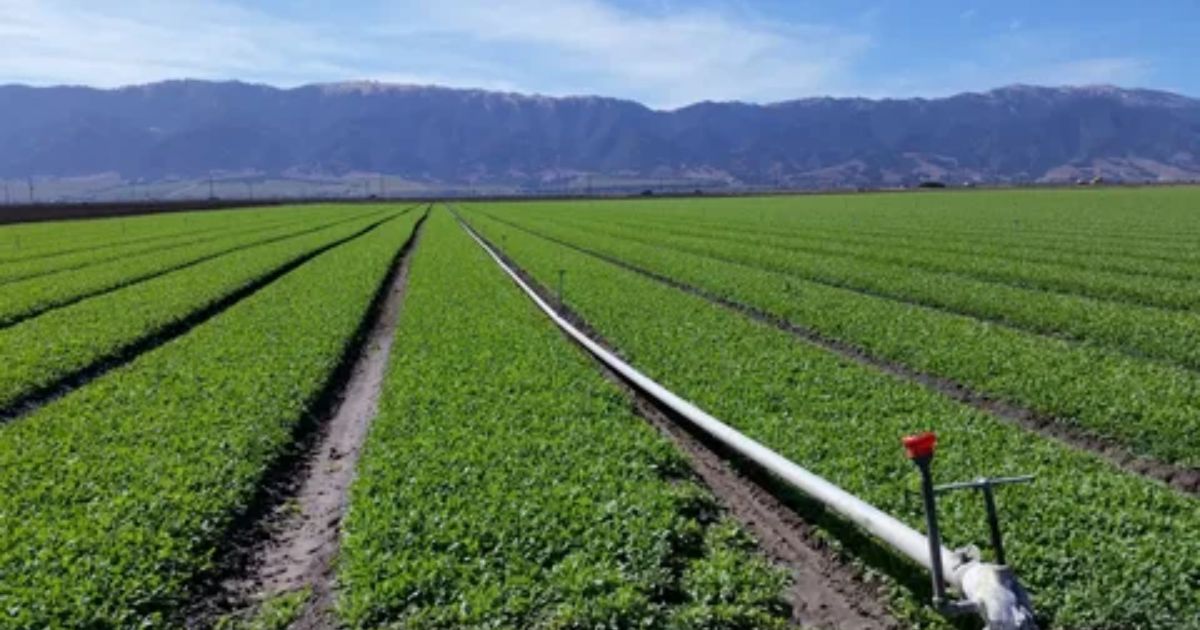
Irrigation pipes play a vital role in delivering water efficiently to every crop, regardless of field size or layout. In different irrigation systems, pipes are selected based on diameter, pressure requirements, and installation method. Large-diameter main pipes are commonly used as supply pipes to carry water from the source to various distribution points, while smaller pipes deliver water directly to plants.In many farms, irrigation pipes are installed underground to protect them from weather damage and reduce interference with field activities. Underground installation also improves durability and ensures long-term system reliability. The choice of pipe often depends on the terrain; flat land may use rigid pipes, while uneven areas benefit from flexible options, such as poly pipes, which can adapt easily to slopes and curves.
Every irrigation system relies on each component working together, including proper joint connections and high-quality pipes and fittings. Strong pipe fittings are essential to prevent leaks, especially in high-pressure systems such as sprinkler irrigation systems. Drip and sprinkler systems both depend on well-connected main and branch pipes to distribute water evenly.Organizations like agricultural conservation service programs often recommend efficient irrigation piping to reduce water loss and support sustainable water use. Overall, well-designed irrigation pipe networks ensure reliable water delivery, system efficiency, and healthy crop growth across different irrigation methods.
Choosing the Right Irrigation Pipe
Choosing the right irrigation pipe is essential to building an efficient, long-lasting irrigation system. The first factor to consider is the crop type and its water requirements. Different crops require different flow rates, which directly affect the pipe diameter you should use. Main supply pipes usually require a larger diameter, while branch lines can be smaller.Installation conditions also matter. If the pipes are placed underground, durability and resistance to damage become very important. Pipes made from PVC or other poly materials are commonly used because they offer a long service life and perform well across different soil conditions. Drip Irrigation vs. Flood Irrigation: A Comprehensive Comparison The terrain of your land should guide your choice: flat land can support rigid pipes, while uneven or sloped areas benefit from flexible pipes that are easier to install and adjust.
Water pressure is another key consideration. Systems that operate under high pressure, such as sprinkler irrigation, require strong pipes and reliable pipe fittings to prevent leaks and breaks. Proper joints and quality pipes and fittings ensure smooth water flow and reduce maintenance issues.Finally, consider long-term efficiency and sustainability. Agricultural conservation service guidelines often recommend choosing pipes that minimize water loss and support efficient irrigation. Selecting the right pipe improves system performance, reduces costs, and ensures healthy crop production over time.
Installation Tips for Irrigation Pipes
Proper installation of irrigation pipes is crucial for ensuring efficient water flow and long-term system performance. Start by carefully planning the pipe layout based on your field or garden size, crop type, and water source. Identify the locations of the main pipes and branch lines to ensure water is distributed evenly throughout the irrigation system.Choose the correct diameter for each pipeline section. Larger-diameter supply pipes should be used to carry water from the pump, while smaller pipes are suitable for distribution lines. When installing underground pipes, dig trenches deep enough to protect them from surface damage and temperature changes, which improves overall durability.
Use high-quality pipes and fittings to ensure secure connections. Proper pipe fittings and tight joints help prevent leaks and pressure loss, especially in high-pressure systems such as sprinkler irrigation systems. Always check fittings before covering underground pipes.Consider the terrain during installation. On uneven land, flexible poly pipes are easier to handle and reduce stress on joints. After installation, flush the system to remove dirt or debris, then test the entire pipeline for leaks. Following these installation tips helps create a reliable, efficient irrigation system that supports healthy crop growth and water conservation.
Benefits of Using Quality Irrigation Pipes

Using quality irrigation pipes offers long-term advantages for both farmers and gardeners. A well-designed water supply pipe ensures consistent water flow from various water sources, allowing irrigation systems to operate smoothly and efficiently. High-quality pipes help deliver water at the correct rate, which is essential for maintaining proper plant spacing and supporting healthy growth.Different irrigation methods use other types of pipes. For example, a rigid pipe is commonly used in irrigation systems that require stable, high-pressure flow, while a lay-flat hose is ideal for temporary or mobile irrigation setups. Lightweight pipe options make installation easier, especially in large fields or landscape projects, reducing labor and time costs.
Quality irrigation pipes are made from durable materials that resist damage from soil conditions and corrosive elements. This durability is paramount when transporting water over long distances or installing underground pipes. Unlike low-grade materials, premium pipes are less likely to crack, leak, or fail.Modern irrigation systems using advanced equipment, such as sprayer units, depend on reliable piping to perform efficiently. In addition, properly selected pipes support effective water movement without interfering with drainage pipes, helping maintain soil health. Overall, investing in quality irrigation pipes improves system performance, The Complete Beginner’s Guide to Drip Irrigation conserves water, and ensures reliable operation across different irrigation applications.
Common Problems and Solutions
Even well-designed irrigation systems can face issues over time, especially if pipes and fittings are not properly selected or maintained. One common problem is water leakage from joints or connections. This often occurs due to loose pipe fittings, poor-quality materials, or pressure exceeding the pipe’s capacity. Sustainable Irrigation: Smart Water Management for a Greener Future The solution is to use compatible pipes and fittings, ensure tight joints, and select pipes suitable for high-pressure operation when needed.Clogging is another frequent issue, particularly in drip irrigation systems. Dirt, sand, or algae can block water flow and prevent pipes from evenly delivering water to crops. Regular flushing of the system and installing filters at the water source help prevent blockages and maintain proper flow rates.

Pipe damage is also typical, especially in underground installations. Pipes may crack due to heavy loads, temperature changes, or poor-quality materials. Choosing durable, corrosion-resistant pipe materials and installing pipes at the correct depth can significantly reduce this risk.Uneven water distribution is another problem that affects crop growth. Drip Tape vs Drip Line: Which is Best? This usually occurs when the pipe diameter or layout is incorrect. Using properly sized main pipes and supply lines ensures balanced water flow throughout the system. Regular inspection and timely repairs help keep the irrigation system efficient and reliable.
Conclusion
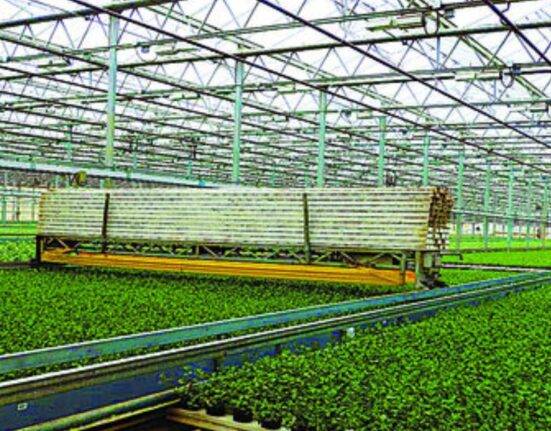
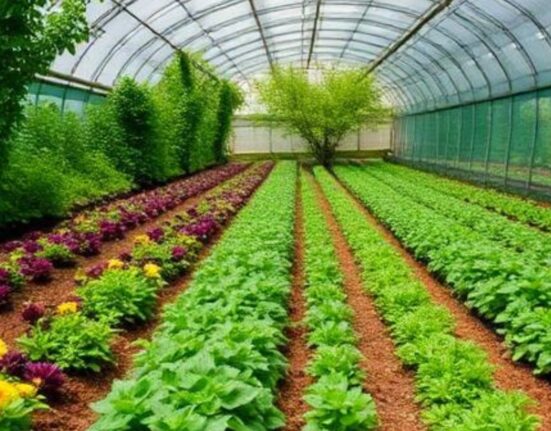
Selecting high-quality irrigation pipes is essential for building an efficient and reliable irrigation system. Materials such as polyethylene and HDPE pipes are commonly used because they are strong, long-lasting, and suitable for high-pressure conditions. These pipes perform well across a range of irrigation methods, from open fields to controlled environments such as greenhouses.Proper installation also plays a key role in system performance. Using the right glue, securing joints, and well-designed supply lines helps prevent seepage and water loss. Components such as risers and connectors must match the pipe material to ensure smooth water flow and reduce maintenance issues.
Another significant advantage is cost efficiency. Many modern irrigation pipes offer a low-cost solution that doesn’t compromise durability, making them a practical choice for farmers and gardeners. Choosing products from a trusted manufacturer ensures consistent quality and long-term reliability. Overall, investing in high-quality irrigation pipes improves water efficiency, reduces system failures, and supports sustainable irrigation practices.
FAQ
What types of irrigation pipes are commonly used?
Common types include PVC, HDPE, polyethylene, rigid pipes, and lay-flat hoses. Each type is chosen based on pressure requirements, installation method, and irrigation system type.
How do I choose the correct pipe diameter for my irrigation system?
Pipe diameter depends on water flow rate, crop type, and distance from the water supply pipe. Larger main pipes carry water to smaller branch lines for precise delivery.
Can irrigation pipes be used in greenhouses?
Yes. Flexible polyethylene (HDPE) pipes are ideal for greenhouse irrigation systems because they are long-lasting, high-pressure-resistant, and easy to install.
How can I prevent seepage and leakage in irrigation pipes?
Use high-quality pipes, proper pipe fittings, secure joints, and appropriate glue for connections. Regular inspection also helps detect issues early.
Are irrigation pipes cost-effective for small and large farms?
Yes. Modern irrigation pipes are low-cost, durable, and designed to reduce water loss. Using reliable manufacturer products ensures long-term savings and improved water