
Agriculture is the Backbone of Human Civilization. From the earliest domestication of plants and animals to today’s technology-driven food systems, agriculture has shaped societies, economies, and ecosystems. Within this vast field lies horticulture, a specialized branch that focuses on the cultivation of fruits, vegetables, flowers, and ornamental plants. Although the two terms are often used interchangeably, horticulture and agriculture are not the same.
Understanding the difference between horticulture and agriculture is essential for students, farmers, agribusiness professionals, policymakers, and anyone interested in food production, sustainability, or environmental management. This comprehensive guide explores the definitions, history, scope, techniques, economic roles, ecological impacts, and future trends of both agriculture and horticulture clearly explaining how they differ and how they work together.
What Is Agriculture?
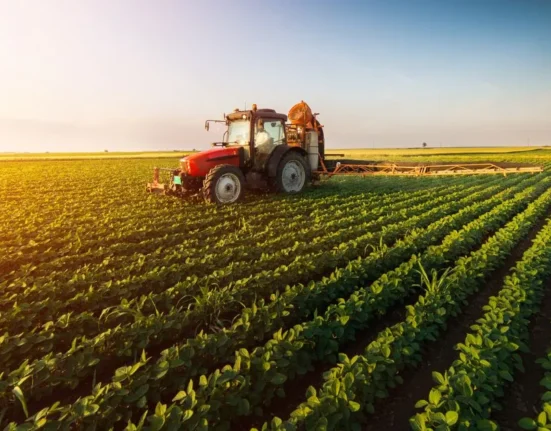
Agriculture is the science, art, and practice of cultivating plants and raising animals to produce food, fiber, medicine, and other essential products for human use. It includes activities such as soil preparation, planting, irrigation, fertilization, pest management, harvesting, and livestock care. Agriculture is the backbone of human civilization, ensuring food security, supporting rural livelihoods, and supplying raw materials for many industries.
Modern agriculture combines traditional horticultural and agricultural knowledge with advanced technologies such as mechanization, biotechnology, and precision farming to increase productivity and sustainability. From small family farms to large commercial operations, agriculture plays a vital role in economic development, environmental stewardship, and global crop trade.
Major Branches of Agriculture
Agriculture functions as an umbrella covering many specialized fields:
- Agronomy – field crop production and soil science
- Horticulture – fruits, vegetables, flowers, and ornamental plants
- Animal husbandry – livestock and poultry management
- Forestry – forest and tree crop production
- Fisheries and aquaculture – aquatic food systems
- Agroforestry – integrated crop–tree–livestock systems
- Agricultural engineering – machinery, irrigation, and post-harvest systems
In essence, agriculture focuses on large-scale biological production systems designed to meet food security, industrial demand, and economic stability. Horticulture is a branch of agriculture.
What Is Horticulture?
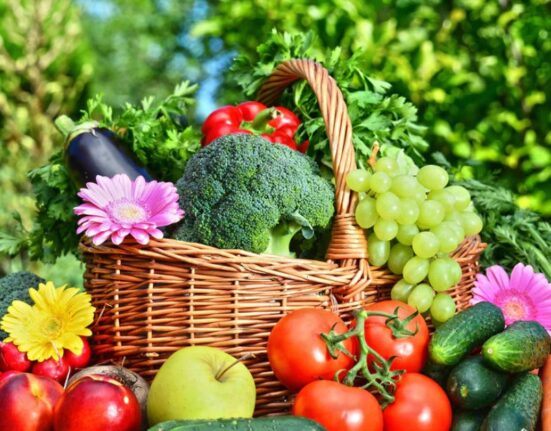
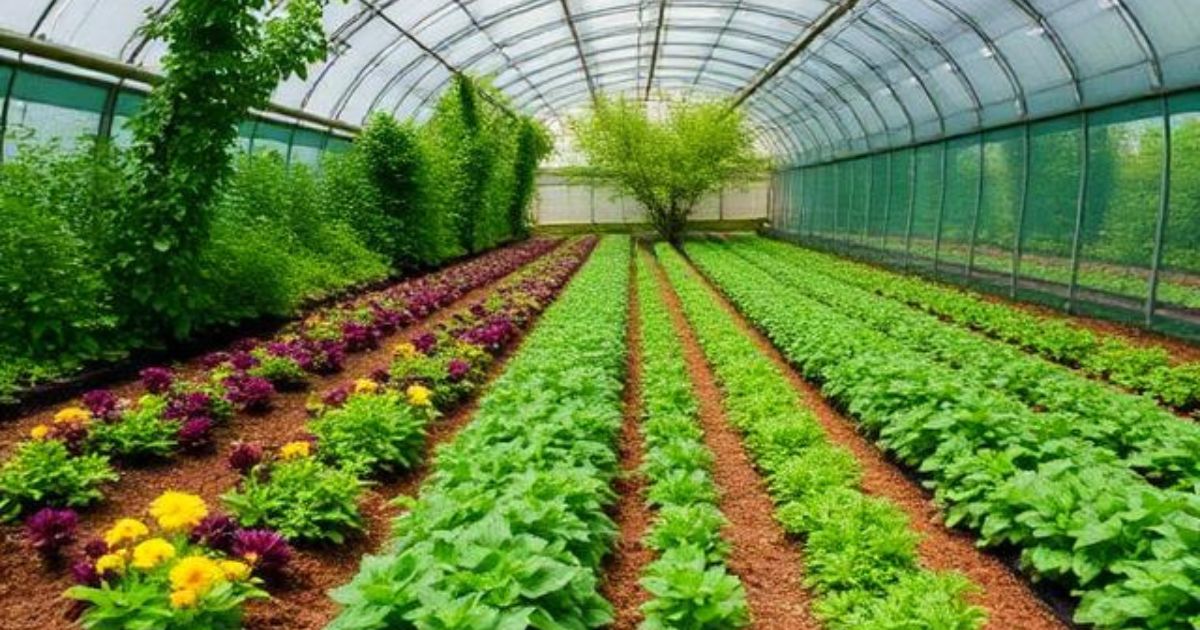
 Horticulture is the branch of agriculture focused on growing fruits, vegetables, flowers, ornamental plants, and medicinal crops. It combines plant science, art, and practical cultivation methods to improve plant quality, yield, and sustainability. Unlike large-scale field farming, horticulture often involves intensive care, precise management, and smaller growing areas such as gardens, greenhouses, nurseries, and orchards.
It includes several specialized areas, such as pomology (fruit production), olericulture (vegetable farming), floriculture (flower cultivation), and landscape horticulture. Horticulture plays a vital role in food security, environmental protection, and economic development by supplying nutritious produce, enhancing green spaces, supporting biodiversity, and creating a difference between horticulture and agriculture employment.
Main Divisions of Horticulture
Horticulture is typically classified into several focused areas:
- Pomology – fruit crops such as mango, apple, citrus, banana, grape
- Olericulture – vegetable crops like tomato, onion, potato, cabbage
- Floriculture – flowers and ornamental plants such as roses, orchids, and lilies
- Landscape horticulture – parks, lawns, recreational green spaces
- Plantation and spice crops – tea, coffee, cocoa, pepper, cardamom
- Medicinal and aromatic plants – aloe vera, mint, turmeric, basil
- Post-harvest horticulture – storage, packaging, processing, and value addition
Horticulture emphasizes crop quality, intensive management, high economic value, and environmental and aesthetic benefits.
Horticulture vs Agriculture: The Fundamental Relationship
Agriculture broadly encompasses the cultivation of crops and livestock for food, fiber, and other resources on a large scale, emphasizing high yields and commercial production. Horticulture, a specialized branch of agriculture, focuses on the intensive cultivation of fruits, vegetables, flowers, and ornamental plants, often prioritizing quality, aesthetics, and nutritional value over volume.
Understanding the fundamental relationship between the two highlights how horticultural practices complement broader agricultural systems, supporting sustainable food production, biodiversity, and landscape management. This comparison offers valuable insights into modern farming strategies, resource efficiency, and the role of plants in human nutrition, commerce, and the balance between ecological agriculture and horticulture.
Key Differences Between Horticulture and Agriculture
 Horticulture and agriculture are closely related fields, but they differ in scope, methods, and focus. Agriculture is the broad science and practice of cultivating crops and raising livestock for food, fiber, fuel, and other human needs. It covers large-scale field crops, animal husbandry, soil management, and output agribusiness systems. Horticulture, on the other hand, is a specialized branch of agriculture that concentrates on the intensive cultivation of fruits, vegetables, flowers, ornamental plants, and landscape crops.
It emphasizes plant quality, aesthetic value, nutrition, and high-value production rather than mass commodity output. While agriculture often involves extensive land use and mechanized farming, horticulture relies more on skilled techniques, controlled environments, and precise care. Together, both disciplines play essential roles in food security, environmental sustainability, and economic development. The difference between agriculture and horticulture worldwide involves.
Scope and Breadth
Scope and Breadth refer to the extent, range, and coverage of a subject, project, or study. It defines how wide or narrow the focus is, outlining the boundaries while highlighting the areas included for exploration or analysis. A clear understanding of scope ensures targeted efforts, prevents overlaps, and sets expectations, while Breadth emphasizes the diversity and comprehensiveness of the content or field. Together, they provide a structured framework that balances depth with wide-ranging insight, helping individuals or organizations achieve clarity, efficiency, and meaningful outcomes in any agronomy agricultural endeavor.
Types of Crops and Products
Purpose: Growth agriculture refers to patterns and products broadly categorized as crops. Food crops, such as cereals, vegetables, and fruits, provide essential nutrition for humans and livestock. Cash crops like cotton, coffee, and sugarcane are cultivated primarily for commercial profit. Industrial crops, including rubber and oilseeds, supply raw materials for manufacturing. Additionally, medicinal and aromatic plants are grown for health and fragrance purposes. Understanding the types of crops and their horticulture or agricultural products helps farmers optimize cultivation, meet market demand, and ensure sustainable farming practices.
Scale and Intensity of Production
Scale and Intensity of Production refers to the extent and efficiency of agricultural or industrial output. Intensity indicates the level of input and effort applied per unit area or unit output, including labor, machinery, fertilizers, or technology. High-intensity production often maximizes yield but may demand significant resources, while low-intensity systems prioritize sustainability. Together, scale and intensity shape raw materials’ productivity, profitability, and greenhouse gas emissions.
Production Goals
Production Goals are livestock-specific targets set by a business or organization to guide its manufacturing or output processes. These goals define the desired quantity, quality, and efficiency of products or services within a set timeframe. They help optimize resources, reduce waste, and improve overall cultivation productivity. Clear production goals ensure alignment between teams, support strategic planning, and facilitate performance measurement. By establishing measurable objectives, businesses can monitor progress, identify bottlenecks, and continuously enhance operational effectiveness to meet market demand and organizational ornamental growth.
Cultivation Techniques
Cultivation Techniques involve the branch of agriculture methods and practices used to prepare soil, grow crops, and manage plants for optimal yield and quality. These techniques include plowing, sowing, irrigation, fertilization, pruning, and pest control, tailored to the specific needs of different crops. Effective cultivation improves soil health, enhances plant growth, and, when used in horticulture, maximizes productivity while minimizing environmental impact. Modern approaches may integrate sustainable practices like crop rotation, organic inputs, and precision farming. Mastering cultivation techniques is essential for farmers, gardeners, and agronomists seeking efficient, sustainable crop and animal husbandry production.
Economic Structure and Returns
Economic Structure and Returns refers to the organization of an economy and how its sectors—agriculture, industry, and services—contribute to overall output and income. It examines how resources are allocated, the patterns of production, and the distribution of profits or yields across sectors. Understanding this structure helps identify which industries generate higher returns, influence growth, and shape employment. It also provides insights into investment potential, efficiency, and a region’s economic crops, such as resilience and fruit production, guiding policymakers and businesses in decision-making for sustainable horticultural development.
Historical Development of Agriculture and Horticulture
Horticulture and agriculture are closely related fields, but they differ in scope, scale, and focus. Agriculture is a broad practice that involves the large-scale cultivation of crops and the raising of livestock to produce food, fiber, and other essential products for human use. It covers extensive farming systems, including cereal production, dairy farming, and commercial plantations.
Horticulture, on the other hand, is a specialized branch of agriculture that concentrates on the intensive cultivation of fruits, vegetables, flowers, ornamental plants, and landscape crops. It emphasizes plant quality, high-value produce, and precise growing techniques rather than mass production. In short, agriculture focuses on overall food and resource production, while horticulture centers on specialized, plant-based cultivation for nutrition, beauty, and ornamental uses, with environmental ornamental plants for horticulturist improvement.
Origins of Agriculture
Agriculture began around 10,000–12,000 years ago with the domestication of wild plants and animals. Early agricultural societies cultivated cereals such as maize, wheat, and barley and raised animals such as goats and cattle. These systems laid the foundation for permanent settlements, trade, and the development of larger-scale crop and animal civilizations.
Over centuries, agriculture evolved through:
- Irrigation and plow systems
- Crop domestication and breeding
- Mechanization during the Industrial Revolution
- Chemical fertilizers and pesticides
- Biotechnology and precision agriculture
Agriculture today is a highly sustainable, technically advanced, global farming enterprise.
Origins of Horticulture
Horticulture developed alongside agriculture but was traditionally associated with gardens, orchards, and the cultivation of medicinal plants. Ancient civilizations in horticulture included China, Egypt, Persia, and Rome, which practiced advanced horticulture, growing fruit trees, conducting agricultural activities, raising ornamental plants, and raising animals for food and herbs. Modern horticulture field crops focus on art and science, bedding plants quality expanded with:
- Botanical gardens and plant exploration
- Hybridization and plant breeding
- Greenhouse technologies
- Tissue culture and genetic improvement
- Urban landscaping and environmental design
Today, horticulture bridges crop production, environmental stewardship, and aesthetic cultivation, with cultivation enhancement.
Role of Horticulture in Strengthening Agriculture
 Horticulture and animal production do not compete with human consumption or aesthetic agriculture—they enhance and diversify it.
- It increases farm income through high-value crops.
- It improves nutrition by promoting the consumption of fruits and vegetables.
- It promotes sustainable land use and biodiversity.
- It supports agribusinesses such as food processing and floriculture trade.
Integrated farming systems increasingly combine cereal crops, orchards, vegetable units, and livestock specialty crop enterprises.
Importance of Food Security and Nutrition
Agriculture, fruits, and vegetables ensure plant production, calorie availability, and staple food supply. Horticulture, an horticulture vs agriculture agricultural practice of cultivating, ensures micronutrient security.
Fruits and vegetables are the primary sources of:
- Vitamins (A, C, K, folate)
- Minerals (iron, potassium, calcium)
- Antioxidants and dietary fiber
Without horticulture, food systems would be two terms rich in calories but poor in nutritional value, compared to the diversity of horticulture food crops.
Careers in Agriculture and Horticulture
 Careers in agriculture and horticulture offer diverse irrigation opportunities for those passionate about plants, food production, and sustainable land management. Professionals can work in crop cultivation, farm food and raw materials management, landscape design, greenhouse operations, or agricultural research. These fields combine science, technology, and hands-on work, including soil management, pest control, and plant breeding.
With increasing demand for sustainable plants for food practices and innovative food systems, careers in agriculture and horticulture are evolving rapidly. Roles span from agronomists and horticulturists to farm advisors and agricultural engineers, with plant quality providing rewarding paths for individuals interested in using agriculture to contribute to food horticulture, which involves security, environmental horticulture, which involves stewardship, and the beauty of cultivated fertilizer landscapes.
Agriculture Careers
- Agronomist
- Livestock production specialist
- Agricultural engineer
- Soil scientist
- Farm operations manager
- Agricultural economist
Horticulture Careers
- Professional horticulturist
- Orchard or greenhouse manager
- Landscape architect or designer
- Floriculture specialist
- Nursery entrepreneur
- Post-harvest technologist
- Urban agriculture consultant
Horticulture: food for raising livestock. Human careers often blend science, design, business, and sustainability.
Modern Trends Transforming Both Fields
 In today’s rapidly evolving agricultural world, both horticulture and agriculture are experiencing transformative shifts driven by technology, sustainability, and consumer demands. Precision farming, intelligent irrigation systems, and drone-assisted crop monitoring are optimizing productivity and reducing resource waste. Urban agriculture, vertical gardens, and hydroponics are reshaping horticultural practices, making fresh produce more accessible in cities. Simultaneously, organic farming, regenerative agriculture, and climate-smart techniques are redefining agricultural sustainability.
Data analytics and AI are empowering farmers and horticulturists to make informed decisions, improving yields and quality. These modern trends not only enhance efficiency and profitability but also prioritize environmental responsibility, signaling a dynamic future where innovation in crop production bridges tradition and horticulture vs agriculture progress across both perishable crops and floriculture.
Precision and Digital Agriculture
- GPS-guided machinery
- Drones and satellite imagery
- Soil and crop sensors
- Artificial intelligence in farm management
Protected and Urban Horticulture
- Greenhouses and vertical aesthetic purposes farms
- Hydroponic and aeroponic systems
- Rooftop and container gardening
Climate-Smart Farming
- Drought-tolerant crops
- Water-saving irrigation
- Carbon-sequestering landscapes
- Agroecological systems
Sustainable and Organic Practices
- Reduced chemical dependence
- Integrated pest management
- Composting and regenerative methods
Horticulture is often at the forefront of innovations in these flowers and ornamental plants.
Which Field Should You Choose?
Choose agriculture if you are interested in:
- Large-scale food systems
- Livestock and cereal production
- Agricultural economics and policy
- Farm mechanization and engineering
Choose horticulture if you are interested in:
- Fruits, vegetables, and flowers
- Urban and environmental design
- Sustainable intensification
- Nursery and greenhouse enterprises
Both fields are indispensable and increasingly interconnected sustainable practices.
Conclusion:
The difference between horticulture and agriculture lies mainly in scope, specialization, and intensity. Agriculture is the broad foundation of food and resource production, encompassing crops, animals, and entire agro-ecosystems. Horticulture is a focused and dynamic branch of agriculture that specializes in the cultivation of fruits, vegetables, flowers, ornamental plants, and high-value floriculture crops on a small scale.
Agriculture feeds the world. Horticulture enriches diets, beautifies environments, strengthens economies, and improves quality of life. As the world faces climate change, population growth, and urban expansion, the integration of plant and animal horticulture and agriculture will become even more essential.
FAQ:
What is Agriculture?
Agriculture is the practice of cultivating soil, growing crops, and raising livestock for food, fiber, and other products used to sustain life. It covers a wide range of activities, from large-scale crop production to animal, pesticide, and plant cultivation.
What is Horticulture?
Horticulture is a branch of agriculture focused on the art and science of growing fruits, vegetables, flowers, and ornamental plants. It emphasizes quality, aesthetics, and specialized cultivation techniques.
Which Requires more Specialized Knowledge: Horticulture or Agriculture?
Horticulture often requires more specialized knowledge because it involves delicate plants, controlled environments, soil science, pest management, and tree and shrub breeding.
Can Horticulture be more Profitable than Traditional Agriculture?
Yes. Due to the high value of human consumption crops such as fruits, flowers, and herbs, horticulture can offer higher profit margins per unit area than staple crop farming using pesticides.
Which one uses more Advanced Technology?
Horticulture typically employs advanced technologies, such as greenhouse farming, hydroponics, tissue culture, and drip irrigation, to enhance crop quality, small-scale and pest yield.