
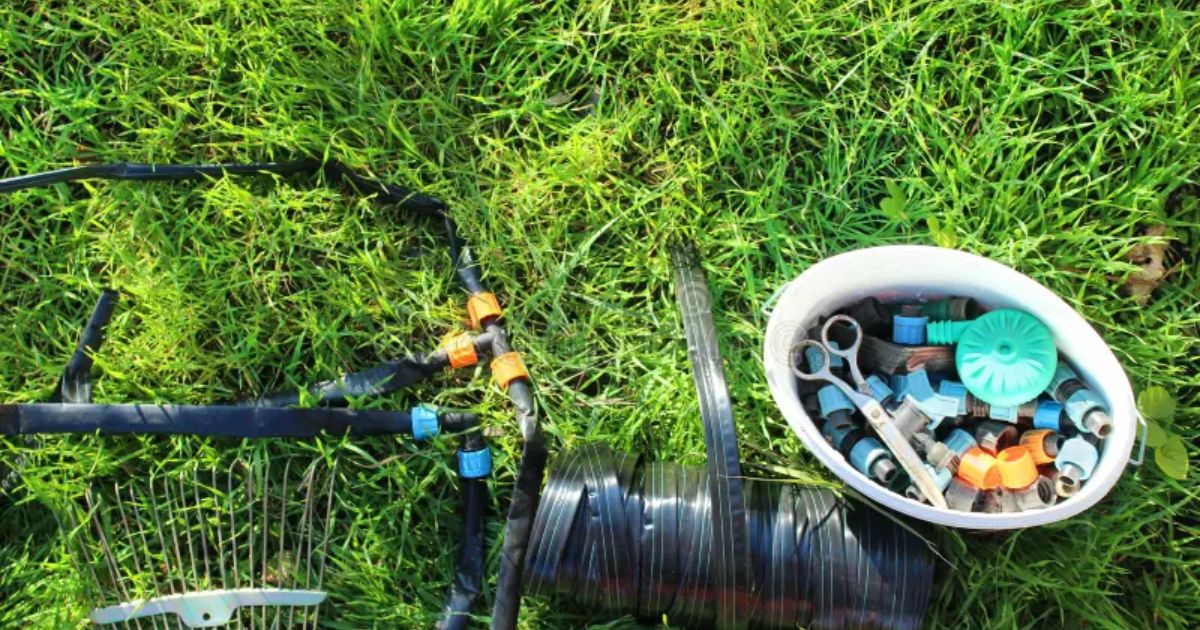
Efficient irrigation is essential for saving water and improving crop and garden productivity, which is why Farmers and home growers are increasingly using drip irrigation systems. One of the most widely used options in modern drip systems is drip tape, a lightweight, flexible irrigation line that delivers water directly to plant roots via a built-in emitter. Available in different thicknesses measured in mils, drip tape is usually supplied on a long roll, making it easy to install across rows of crops or garden beds.
Proper spacing between emitters helps control water flow rate, ensuring each plant receives consistent moisture without waste. With the right fitting and layout, drip tape irrigation provides precise water distribution, reduces evaporation, and supports healthier plant growth. Understanding how drip tape works is an essential first step when comparing it with other drip irrigation solutions.
What Is Drip Irrigation?
Drip irrigation is a modern watering method that delivers water slowly and directly to each plant’s root zone, helping reduce water waste and improve growth. Instead of flooding the soil, this system controls the flow, so plants receive only the water they need. Drip irrigation systems are widely used on farms, in home gardens, and in commercial agriculture because they are efficient and easy to manage.
A typical drip irrigation product includes a network of tubing or hose connected to a water source. These lines come in different thicknesses, such as 15 mil, which indicates the material’s durability. Thicker tubing is often chosen for long-term farm use, while lighter options work well for seasonal crops. Water moves through the tubing and is released near each plant, Drip Irrigation vs. Flood Irrigation supporting healthy roots from the early seed stage through full growth.Many farmers learn to install and manage drip systems through demonstration video guides that show how to lay out tubing, adjust flow, and properly maintain the system. Overall, drip irrigation is a reliable solution for conserving water while maximizing plant health and farm productivity.
What Is Drip Tape?
Drip tape is a thin, flexible tube used in drip irrigation systems to deliver water directly to plant roots. It is designed with built-in emitters that release water at a controlled rate along the length of the tape, ensuring even moisture distribution across crop rows or garden beds. Because of its lightweight design, drip tape is a popular option for its ease of installation, removal, and replacement. for seasonal farming.

Drip tape is commonly used in vegetable production, row crops, and small gardens. It is available in different thicknesses, usually measured in mils, which determine how durable the tape is under field conditions. The spacing between emitters can also vary, allowing farmers to match water delivery with plant spacing and soil type.Overall, drip tape offers an efficient and cost-effective way to conserve water, reduce evaporation, and support healthy plant growth, especially in short-term or row-based irrigation setups.
What Is a Drip Line?
A drip line is a durable type of tubing used in a drip irrigation system to deliver water evenly and efficiently to plants. Unlike irrigation drip tape, which is usually thinner and supplied in long rolls, a drip line is made from thicker material and features built-in emitters that provide a consistent flow rate over a longer period. This makes drip lines ideal for permanent or semi-permanent irrigation setups.
Drip lines are commonly installed along each row of plants and are designed to handle higher water pressure, often measured in psi, without damage. They are available in different diameters, usually measured in inches, and thickness levels, such as 8 mil, depending on the application. Because of their strength, drip lines are frequently used in orchards, Exploring The Flood Irrigation Pros And Cons Of Systems vineyards, landscapes, and long-term farming systems.As part of a complete irrigation kit, drip lines are easy to integrate during installation and require less frequent replacement compared to drip tape. Overall, a drip line offers reliability, durability, and consistent water delivery, making it a strong choice for growers looking for a long-lasting irrigation solution.
Key Differences Between Drip Tape and Drip Line
Understanding the key differences between drip tape and drip line helps farmers and gardeners choose the right solution for efficient garden irrigation and crop management. While both systems are designed to deliver water directly to plant roots, they differ in durability, installation, and ideal use cases.Drip tape, such as Aqua-Traxx drip tape, is lightweight and flexible, making it easy to lay out along each drip tape row in a field or vegetable garden. It is commonly used for short-term crop production and seasonal garden watering. Because drip tape has a thinner wall thickness, it is more affordable but less durable. Drip tape is typically connected to the mainline using simple fittings and is often sourced from suppliers such as Drip Depot.
On the other hand, a dripline (also spelled dripline) is made from thicker tubing with a thicker wall, allowing it to last for many seasons. Drip lines are better suited for permanent garden irrigation systems, orchards, and landscaping where the layout remains fixed. They handle pressure better, require less frequent replacement, and are ideal for long-term garden watering needs.In summary, drip tape is best for temporary rows and seasonal crops, while dripline systems offer durability and reliability for permanent installations. Choosing between them depends on your crop type, budget, and how long the irrigation system will stay in place.
Pros and Cons of Drip Tape
Drip tape is a popular choice in drip irrigation systems, especially for row crops and seasonal farming. Like any irrigation method, it has both advantages and limitations that should be considered before installation.
Pros of Drip Tape
- Cost-effective solution: Drip tape is generally less expensive than drip lines, making it ideal for large fields and seasonal use.
- Easy installation: Its lightweight and flexible design allows quick setup and removal at the start and end of the growing season.
- Efficient water use: Built-in emitters deliver water directly to plant roots, reducing evaporation and runoff.
- Ideal for row crops: Works well for vegetables and other crops planted in straight rows.
- Customizable emitter spacing: Available in different spacing options to match crop requirements and soil conditions.
Cons of Drip Tape
- Shorter lifespan: Drip tape is thinner and more prone to wear, tearing, or damage from pests and farm equipment.
- Not suitable for permanent systems: Best used for temporary or seasonal irrigation rather than long-term installations.
- Lower pressure tolerance: Requires proper pressure regulation to prevent bursting or uneven water distribution.
- Higher maintenance: May require more frequent replacement than thicker drip lines.
Drip tape is an efficient and affordable irrigation option for short-term crop production. Still, it may not be the best choice for growers seeking a durable, long-lasting irrigation system.
Pros and Cons of Drip Line
A drip line is a durable and reliable option in modern drip irrigation systems. Many farmers choose drip lines for long-term irrigation because of their durability and consistent water delivery. However, like any irrigation method, drip lines come with both advantages and limitations.
Pros of Drip Line
- Efficient water delivery: Drip lines deliver water directly to plant roots, reducing water waste.
- Built-in emitter spacing: Many drip lines come with emitters every 12 inches, ensuring uniform moisture distribution across crops or garden areas.
- Long-lasting feature: Thicker material and strong construction keep drip lines installed for multiple seasons.
- Flexible installation options: Drip lines can be laid on the surface or buried slightly under the soil for protection and cleaner layouts.
- Low maintenance: Once installed, drip lines require fewer repairs and adjustments compared to drip tape.
Cons of Drip Line
- Higher initial cost: Drip lines are more expensive upfront, which may be a concern for small-scale farmers.
- Less flexibility in layout: Fixed emitter spacing means you may need to punch a new hole or adjust the system if plant spacing changes.
- More complex setup: Installation often involves mainline tubing, a valve, and additional fittings, which makes it more time-consuming.
- Harder to inspect: When drip lines are buried, detecting clogs or damage can be difficult.
Drip Tape vs Drip Line: Which Is Best for You?

Choosing between drip tape and drip line comes down to how you plan to use your irrigation system, your crop type, and how long you need it to last. Both options deliver water efficiently to plant roots, but they’re best suited to different situations.
When Drip Tape Is the Better Choice
- You’re growing seasonal crops or vegetables in row layouts.
- You need a low-cost irrigation solution for short-term use.
- You want easy installation and removal at the end of the season.
- You prefer flexible tubing that can be repositioned quickly.
- Your field doesn’t demand long-lasting, heavy-duty tubing.
Drip tape works well for vegetable gardens, small farms, and areas where you’ll often change your planting layout.
When Drip Line Is the Better Choice
- You need a long-lasting irrigation system you can leave in place.
- You’re watering permanent plantings, such as orchards, vineyards, or landscape beds.
- You prefer consistent water distribution through built-in emitters.
- You want less frequent replacement and maintenance.
- Your farm or garden has higher-pressure conditions that require sturdy tubing.
Drip lines shine in perennial planting systems where durability and long-term performance matter.
Cost and Efficiency Comparison
When deciding between drip tape and drip line, understanding the cost and efficiency differences helps you choose the option that provides the most value for your farm or garden.
Drip Tape
- Lower upfront cost: Drip tape is generally cheaper per foot than drip line, making it a popular choice for growers on a budget.
- Seasonal savings: Because it’s inexpensive, Sustainable Irrigation: Smart Water Management for a Greener Future replacing drip tape each season is often more affordable than investing in more durable systems.
- Lower material cost: Thin-walled tubing and simple emitters help keep supply costs low.
When drip tape is economical:
- Small farms
- Short-term crops (e.g., vegetables)
- Projects with tight budgets
Drip Line
- Higher initial investment: Drip line costs more upfront because it’s made of thicker material and is designed to last.
- Long-term savings: Despite being pricier initially, drip lines need less frequent replacement, often over multiple seasons, which saves money in the long run.
- Fewer replacements: Less need to buy new tubing every season lowers long‑term costs and labor.
When the drip line is economical:
- Permanent plantings (orchards, vineyards)
- Long-term gardens or landscapes
- Larger Irrigation Systems Efficiency Comparison
Water Efficiency
- Both systems are highly efficient compared to traditional irrigation Flood Irrigation Pros and Cons (like sprinklers or flood irrigation).
- They minimize runoff and evaporation by delivering water straight to plant roots.
Drip Tape:
- Ideal for close row spacing
- Efficient for shorter plant cycles
Drip Line:
- Even water distribution over more extended periods
- Better suited for uneven terrain and higher pressure systems
Labor and Maintenance Efficiency
Drip Tape
- Easy setup: Simple to install and remove, saving time on seasonal projects.
- More upkeep: Thinner material means it can tear, clog, or wear faster, requiring more attention.
Drip Line
- More complex setup: Slightly longer installation, often involving mainline tubing and fittings.
- Less maintenance: Durable build and steady performance mean fewer repairs over time.
Common Mistakes When Choosing a Drip System
Choosing the right drip system can significantly impact water efficiency and crop health. Many gardeners and farmers make avoidable mistakes when setting up drip irrigation, especially for row crops or flower beds. Here are some common pitfalls to watch out for:
Not Considering Plant Layout
- Using drip systems on straight rows without measuring plant spacing can lead to uneven watering.
- Drip tape is designed with emitters spaced at specific intervals, so improper alignment can waste water and harm crops.
Choosing the Wrong Material or Thickness
- Selecting tubing with incorrect mil thickness can cause leaks or bursts under pressure.
- Using low-quality material may save money initially, but it leads to more replacements and maintenance.
Ignoring Proper Fittings and Connections

- Failing to use the correct tape fittings, plugs, or connecting pieces can cause leaks or blockages.
- Make sure to check all connections, including coil ends and inline fittings, for a secure installation.
Overlooking Water Flow Requirements
- Not calculating gallon-per-plant (gph) or emitters can result in overwatering or underwatering.
- Always calculate flow based on crop type, soil, and climate to ensure proper irrigation.
Buying Too Cheap or Incompatible Products
- Avoid low-quality hoses (hoss) or generic parts that aren’t designed for your system.
- Investing in premium drip tape and accessories often pays off in efficiency and longevity.
Misjudging Coverage Per Unit
- Buying drip tape without considering per-100-feet or per-row needs can lead to shortages or excess material.
- Always plan your coil and layout before installation to reduce waste.
Conclusion
Choosing the right drip irrigation system is essential for efficient water use, healthier plants, and higher crop yields. Both drip tape and drip line have their advantages, and the best choice depends on your farm or garden needs. Drip tape is ideal for row crops, seasonal vegetables, and temporary setups due to its flexibility, low cost, and easy installation. On the other hand, a drip line is more durable, suitable for permanent plantings like orchards, vineyards, or long-term gardens, The Complete Beginner’s Guide to Drip Irrigation and delivers a consistent flow with minimal maintenance.
By understanding the features, material, emitter spacing, and proper installation, you can select a system that maximizes efficiency while saving water and labor. Despite modern challenges in agriculture, combining traditional farming wisdom with modern technology allows growers to benefit from precise irrigation methods. Ultimately, traditional farming often thrives when paired with wise irrigation choices, ensuring sustainable growth and productive harvests.
FAQ
What distinguishes drip line from drip tape?
Drip tape is lightweight, flexible, and ideal for row crops and seasonal use, while drip line is thicker, more durable, and designed for long-term or permanent irrigation systems. Drip tape is easier to install, whereas a drip line provides a consistent flow and requires less maintenance.
Can I use drip tape in a vegetable garden?
Yes! Drip tape is designed for vegetable gardens, flower beds, and short-term crops. Proper spacing between emitters ensures every plant receives water efficiently.
How do I choose the right drip system for my farm or garden?
Consider your crop type, row layout, water pressure, and whether the system will be seasonal or permanent. Check the mil thickness, material, and ensure all tape fittings and mainline tubing are compatible.
What are common mistakes when installing a drip system?
Mistakes include improper emitter spacing, using the wrong material or thickness, failing to calculate gallons per plant, using incorrect fittings, and ignoring maintenance needs. Planning ahead prevents leaks and inefficient watering.
How long does drip tape or drip line last?
Drip tape typically lasts for one season, while a drip line can be installed for multiple years. Using premium materials and proper installation, with the correct valves, plugs, and connections, increases lifespan.