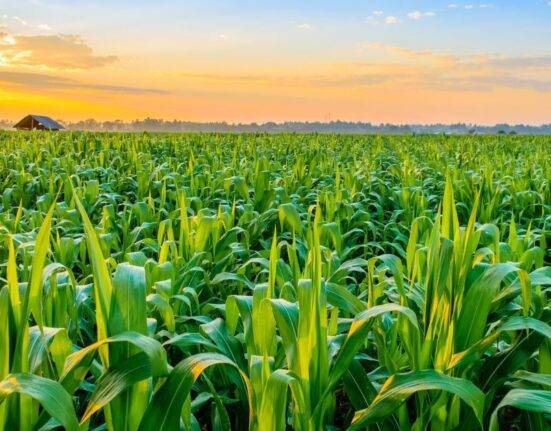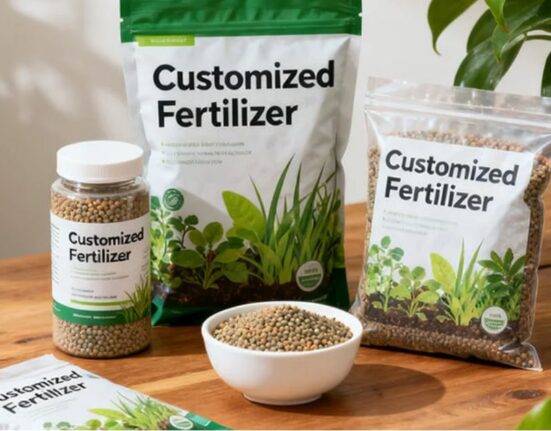


Corn (maize) is one of the most widely grown crops in the world and a foundation of global food, feed, and fuel systems. From cornmeal and cooking oil to livestock rations and ethanol, corn supports countless industries. Behind every productive cornfield, however, lies careful nutrient management—especially when it comes to nitrogen fertilizer. Nitrogen is the nutrient corn needs in the largest amount.
Among all essential plant elements, nitrogen has the most significant influence on corn growth, leaf development, and grain yield. Natural soil nitrogen alone is rarely enough to meet corn’s heavy demand, which is why nitrogen fertilizer is commonly used. This article explores why nitrogen fertilizer is so crucial for corn, how it supports plant growth, what happens when corn lacks nitrogen, and why farmers depend on nitrogen inputs for healthy, high-yield crops.
The Importance of Nitrogen in Plant Growth
One of the most essential elements for plant growth is nitrogen. And development. It is a significant component of chlorophyll, the green pigment plants use to capture sunlight and produce food through photosynthesis. Without sufficient nitrogen, plants cannot produce enough energy, resulting in slow growth, pale or yellowing leaves, and poor overall health. Nitrogen is also a key building block of amino acids, which form proteins, and nucleic acids, which are vital for cell division and genetic function.
This means nitrogen directly supports the formation of new tissues, strong stems, and healthy leaves. Adequate nitrogen availability promotes lush, leafy growth, improves crop yields, and enhances plant vigor. In agriculture and gardening, nitrogen is commonly supplied through organic matter or fertilizers to ensure Plants are given the nutrients they require for healthy growth and productivity.
Why Corn Has a High Nitrogen Demand

Corn has a high nitrogen demand because nitrogen fertilizer is a rapidly growing crop that produces a large amount of leafy biomass and grain in a relatively short period. One essential element of chlorophyll is nitrogen. The molecule responsible for photosynthesis, so corn needs abundant nitrogen to capture sunlight and convert it into energy. It is also necessary for building proteins, enzymes, and plant tissues that support rapid stalk, leaf, and ear development.
As corn plants grow taller and form ears, their nitrogen uptake increases sharply, especially during the vegetative and early reproductive stages. Because corn removes large quantities of nitrogen from the soil at harvest, natural soil reserves are often not enough to meet its needs. This is why farmers frequently apply nitrogen fertilizer to maintain healthy growth, strong yields, and proper kernel formation in the soil.
Rapid Growth Rate
Rapid Growth Rate refers to the swift and accelerated increase in size, number, or development of an organism, population, business, or phenomenon over a short period. In biology, it often refers to plants, animals, or microbes that mature rapidly due to optimal conditions, abundant nutrients, or favorable environments. In economics and business, it refers to companies or markets expanding at a rapid pace, achieving high revenue, a large customer base, or significant growth in market share. This characteristic is valued because it allows adaptation, competitiveness, and efficiency. However, rapid growth can also pose challenges, including resource strain, management difficulties, and instability.
Large Leaf Area
Corn relies on tall stalks and broad leaves to capture sunlight. These leaves contain high amounts of nitrogen, which is essential for why is nitrogen fertilizer used with corn crops producing rich chlorophyll. The more nitrogen available, the greener and more productive the canopy corn crop becomes.
High Grain Production
Corn plants invest a tremendous amount of energy in producing ears and kernels. Grain formation depends heavily on proteins and enzymes, all of which require nitrogen. High-yield corn hybrids remove large quantities of nitrogen from the soil each season. Due to these traits, corn can quickly deplete available soil nitrogen if no additional source of nitrate is provided.
Nitrogen and Photosynthesis: Fuel for the Corn Plant
Nitrogen plays a vital role in powering photosynthesis, the process that allows corn plants to convert sunlight into energy. It is a key component of chlorophyll—the green pigment in leaves that captures light energy. Without sufficient nitrogen, corn plants cannot produce enough chlorophyll, resulting in their leaves turning pale yellow and reducing their ability to photosynthesize efficiently. Nitrogen is also a building block of enzymes and proteins that drive the chemical reactions of photosynthesis, supporting strong leaf development and rapid growth.
When corn receives adequate nitrogen, it develops darker green leaves, larger leaf area, and a more vigorous canopy that absorbs more sunlight. This increased photosynthetic capacity allows the plant to produce more sugars, which are then transported to developing stalks and ears. In this way, nitrogen directly fuels the corn plant’s energy system, promoting healthier plants, improved stress corn yield tolerance, and higher yield potential.
The Role of Nitrogen in Protein and Enzyme Formation

Nitrogen is essential for building amino acids, the basic units of protein. Proteins are responsible for nearly every biological process in the corn plant, including:
- Cell division and expansion
- Nutrient transport
- Hormone production
- Disease resistance
- Pollination and fertilization
Nitrogen also forms enzymes, which control chemical reactions inside plant cells. These enzymes regulate a wide range of processes, from sugar production to kernel ammonia development. Without sufficient nitrogen, these processes slow down, and the plant cannot reach its genetic yield potential.
What Happens When Corn Lacks Nitrogen?
When corn lacks nitrogen, its growth slows and overall plant health declines. Nitrogen is essential for producing chlorophyll, the green pigment that allows plants to make food through photosynthesis. Without enough nitrogen, corn leaves turn pale green to yellow, especially the older, lower leaves, and plants become thin and stunted.
Root development weakens, ear formation is poor, and kernel numbers drop significantly. As a result, yields are much lower, and crop quality suffers. Prolonged nitrogen deficiency can delay maturity and increase corn’s vulnerability to drought, pests, and diseases, ultimately reducing both productivity and profitability for leaching farmers.
Visible Symptoms
- Pale green or yellow leaves
- V-shaped yellowing starting at the leaf tip
- Thin, weak stalks
- Reduced leaf size
- Poor overall growth
As the deficiency worsens, the plant redirects nitrogen from older leaves to younger tissue, causing lower leaves to die prematurely.
Effects on Yield
Nitrogen stress reduces:
- Leaf area and sunlight capture
- Root growth and nutrient uptake
- Tassel and silk development
- Pollination success
- Kernel number and weight
Even short periods of nitrogen shortage, especially before tasseling, can permanently reduce yield. This is why nitrogen fertilizer is applied to ensure consistent availability during critical growth stages that require nutrients.
Why Soil Nitrogen Alone Is Often Not Enough
Nitrogen is one of the most essential nutrients for plant growth, playing a crucial role in leaf development, chlorophyll production, and overall plant vigor. However, relying solely on naturally occurring soil nitrogen is often insufficient to meet the demands of modern crops. Many agricultural soils contain limited available nitrogen because it is easily lost through leaching, runoff, volatilization, and microbial conversion into forms plants cannot use. Fast-growing crops, such as corn, wheat, and vegetables, require a steady and accessible nitrogen supply throughout their growth stages, which soil reserves often cannot provide.
Additionally, soil nitrogen levels vary significantly depending on the content of organic matter, previous cropping history, and environmental conditions. Without supplemental sources, plants may suffer from stunted growth, yellowing leaves, and reduced yields. This is why integrated nutrient management—combining soil health practices with targeted fertilization—is essential for maintaining productivity, supporting healthy crops, and ensuring sustainable agricultural systems.
Limited Organic Matter
Limited Organic Matter refers to soils or growing mediums that contain very low levels of decomposed plant and animal residues. For soil fertility to be maintained, organic matter is essential, as it enhances nutrient availability, improves water retention, and maintains soil structure. When organic content is limited, soils often become compacted, poorly aerated, and less capable of supporting healthy plant growth. Crops grown in such soils may exhibit stunted growth, nutrient deficiencies, or reduced yields. A limited organic matter content also reduces the soil’s ability to buffer against pH changes and retain moisture, making it more prone to erosion. Regular addition of compost, mulch, or green manures can help restore its vitality through nitrification.
High Nitrogen Losses
Nitrogen is highly mobile and can be lost from the soil through:
- Leaching by rainfall or irrigation
- Volatilization into the air
- Denitrification in waterlogged soils
- Removal of harvested grain
The crop has less nitrogen available as a result of these losses during the season.
Increased Yield Expectations
Modern corn hybrids are bred for high productivity. Higher yields result in greater nitrogen removal from fields. Soil reserves alone rarely meet this demand. Nitrogen fertilizer replaces what the soil cannot naturally supply in sufficient or timely why is nitrogen fertilizer used with corn crops amounts.
How Nitrogen Fertilizer Supports Corn Growth Stages

Nitrogen fertilizer plays a critical role in supporting corn throughout its growth stages, from early emergence to grain development. During the seedling stage, nitrogen promotes strong root formation and healthy leaf growth, helping young plants establish quickly and capture sunlight efficiently. As corn enters the vegetative stage, nitrogen becomes even more important because it fuels chlorophyll production, which drives photosynthesis and rapid stalk and leaf expansion. Adequate nitrogen at this stage supports taller plants, thicker stems, and a larger leaf area, which are essential for building yield potential.
During the reproductive stage, nitrogen helps sustain green leaf tissue, supports pollination, and contributes to kernel formation and filling. Without sufficient nitrogen, corn plants may show yellowing leaves, slow growth, and reduced ear development. Proper nitrogen management ensures consistent nutrition across all growth stages, leading to healthier plants, stronger stress tolerance, and higher grain yields at the uptake harvest.
Early Vegetative Stages
Nitrogen supports:
- Root system development
- Early leaf expansion
- Strong seedling vigor
Rapid Growth Phase
This is when corn absorbs nitrogen most rapidly. Fertilizer during this stage fuels:
- Large leaf area development
- Thick stalk formation
- High photosynthetic capacity
Reproductive Stage
Nitrogen helps:
- Maintain green leaves
- Support pollination
- Fill kernels with carbohydrates and protein
A steady nitrogen supply ensures the plant never enters a stress period that could reduce final yield.
Common Nitrogen Fertilizers Used in Corn

Corn is a heavy nitrogen-feeding crop, so farmers rely on several common nitrogen fertilizers to support strong growth and high yields. The most widely used source is anhydrous ammonia, valued for its high nitrogen concentration and cost efficiency. Urea is another popular option because it is easy to handle, store, and apply, either as a solid or in solution. UAN (urea-ammonium nitrate) solutions are commonly used in liquid fertilizer programs, allowing for flexible application methods. Ammonium nitrate and ammonium sulfate are also used, especially where quick nitrogen availability or nitrogen use added s
Nitrogen Fertilizer and High-Yield Corn Systems
Nitrogen is a cornerstone nutrient in high-yield corn production, playing a critical role in plant growth, chlorophyll formation, and photosynthesis. High-yield corn systems rely on precise nitrogen management to maximize grain production while minimizing environmental impacts. Farmers use both synthetic and organic nitrogen fertilizers, applying them at key growth stages to meet the crop’s nutrient demands.
Optimized nitrogen use enhances root development, leaf area, and kernel formation, directly influencing yield potential. Combined with modern agronomic practices, such as soil testing, crop rotation, and precision application techniques, nitrogen fertilizer becomes a powerful tool for efficiently producing sustainable, high-quality corn yields.
Economic Importance of Nitrogen in Corn Farming
Nitrogen fertilizer is often the most significant single input cost for corn producers. Yet it is also among the most profitable investments.
Adequate nitrogen:
- Increases yield potential
- Improves stand uniformity
- Enhances grain quality
- Reduces risk of crop failure
Insufficient nitrogen leads to wasted land potential and lower market returns. For this reason, nitrogen management is a central part of corn production manure planning.
Environmental Responsibility in Nitrogen Use

Environmental responsibility in nitrogen use emphasizes the careful management of nitrogen fertilizers to maximize crop growth while minimizing ecological harm. Excessive or improper application can lead to water pollution, greenhouse gas emissions, and soil degradation. Responsible practices include the precise application of fertilizer, timing fertilizer use to match crop needs, and adopting sustainable techniques such as cover cropping and crop rotation.
By monitoring soil nutrient levels and reducing overuse, farmers can maintain soil health, protect water quality, and lower the carbon footprint of agriculture. Promoting environmental stewardship in nitrogen use ensures that agricultural productivity coexists with ecological balance, supporting both food security and long-term growth stage sustainability.
Nitrogen’s Role in Sustainable Corn Production
Nitrogen plays a critical role in sustainable corn production, serving as an essential nutrient that drives growth, leaf development, and grain yield. Efficient nitrogen management ensures that corn receives the right amount at the right time, promoting healthy plants while minimizing environmental impacts such as nutrient runoff and greenhouse gas emissions.
Sustainable practices, including soil testing, precision application, and the use of slow-release or organic fertilizers, optimize nitrogen use efficiency. By balancing crop needs with environmental stewardship, farmers can maintain soil fertility, reduce costs, and achieve high-quality harvests. Nitrogen, therefore, is not only vital for productivity but also central to the long-term sustainability of corn production in crop farming.
Conclusion:
Nitrogen fertilizer is used with corn crops because nitrogen is the foundation of corn growth and productivity. It drives photosynthesis, builds proteins and enzymes, supports rapid vegetative development, and helps reduce why is nitrogen fertilizer used with corn crops successful ear and kernel root zone formation.
Corn’s high growth rate, large biomass, and heavy grain production make it one of the most nitrogen-demanding field crops. Natural soil nitrogen alone is rarely sufficient to meet this need, especially in high-yield systems. When applied appropriately, nitrogen fertilizer enables farmers to cultivate healthy, productive corn while conserving soil resources and supporting global food and energy supply conditions.
FAQ:
What Role does Nitrogen play in corn Growth?
Nitrogen is a vital nutrient for corn because it is a key component of chlorophyll, the molecule responsible for photosynthesis. It also contributes to the production of amino acids, proteins, and enzymes that are essential for plant growth and development. Without sufficient nitrogen, corn plants grow slowly, have pale green leaves, and produce lower yields of phosphorus.
Why do Corn Crops need more Nitrogen than other Nutrients?
Because corn is a heavy feeder, it needs large amounts of nitrogen compared to phosphorus and potassium. This is because nitrogen is crucial for vegetative growth, especially during the early stages, and directly affects leaf development, stalk strength, and ear formation (Figure 1).
Is Nitrogen Fertilizer Environmentally safe?
When applied correctly, nitrogen fertilizer is safe and effective. However, mismanagement—such as over-application or applying before heavy rainfall—can lead to nitrogen leaching into groundwater or runoff into rivers, causing pollution and algal blooms. Proper application rates, timing, and use of slow-release formulations help minimize these risks.
How do Farmers Determine the right Amount of Nitrogen for corn?
Farmers use soil testing, plant tissue analysis, and historical yield data to calculate nitrogen needs. Modern technology, such as GPS-guided fertilizer application, ensures the precise and efficient use of fertilizers.
Why is Nitrogen Fertilizer Considered Essential for Modern Corn Farming?
Nitrogen fertilizer is critical because it directly influences corn growth, yield, and profitability. Without it, modern high-yield corn varieties cannot reach their full potential, making it a cornerstone of successful corn production.