
Corn, also known as maize, is more than just a summertime barbecue staple or a key ingredient in your favorite tortilla chips. This versatile grain has shaped civilizations, fueled economies, and sustained billions of people for thousands of years. From its ancient origins in Mesoamerica to its current role in modern biofuels and global trade, corn remains a cornerstone of agriculture and industry. But why exactly does it hold such prominence? In this post, we’ll explore the historical, nutritional, economic, and corn production practical reasons that grain make corn indispensable, while also touching on its environmental footprint and future outlook. By the end, you’ll see how this humble crop influences everything from your diet to the world’s energy crop supply.
The Ancient Roots: History and Domestication of Corn
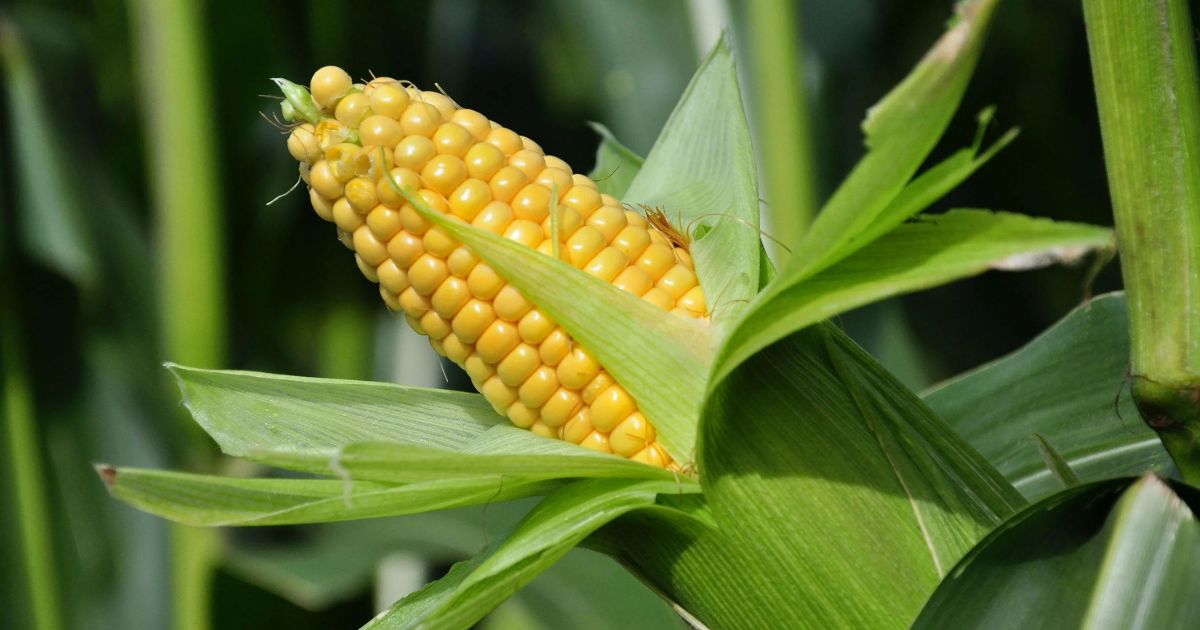
Corn’s story begins around 10,000 years ago in what is now southern Mexico, where indigenous peoples domesticated it from a wild grass called teosinte. Unlike modern corn with its plump, juicy kernels, teosinte had small, hard seeds encased in a tough shell—hardly the stuff of feasts. Through selective breeding over generations, early farmers transformed the unassuming Zea mays into the nutrient-rich crop we know today. This domestication wasn’t a one-and-done event; it involved multiple stages, including hybridization with highland teosinte about 5,000 years ago, which boosted its adaptability and ethanol important crops in the world yield.
By the time European explorers arrived in the Americas, corn had spread across the continent, from Canada to South America. Native American tribes, such as the Maya, Aztec, and Inca, relied on it as a dietary staple, often planting it alongside beans and squash in the “Three Sisters” system—a sustainable intercropping method that enriched the soil and provided balanced fuel nutrition. Corn’s cultural significance was profound; it featured in rituals, myths, and economies. For instance, in Mesoamerica, it symbolized life and livestock fertility.
Origin of Corn in Mesoamerica
Corn, or maize, originated in grow corn Mesoamerica over 7,000 years ago, primarily in what is now southern Mexico. Early indigenous peoples domesticated a wild grass called teosinte, gradually transforming it into the versatile crop we know today. Corn became a central element of Mesoamerican culture, serving as a staple food, ceremonial symbol, and economic resource. Its cultivation spread through sophisticated farming techniques adapted to local climates and soils. Over centuries, corn shaped diets, societies, and trade networks across the region, laying the foundation for its global importance livestock feed today.
Domestication by Indigenous Cvilizations
Indigenous civilizations played a pivotal role in the domestication of plants and animals, shaping agriculture and human society. Through careful observation and selective breeding, they transformed wild species into reliable food sources, such as cereal maize, potatoes, and llamas. This process harvest supported stable corn growers communities, enabled trade, and fostered cultural development. Their deep ecological knowledge and sustainable practices allowed them to adapt crops and livestock to diverse environments. Domestication by Indigenous peoples laid the foundation for modern agriculture, highlighting the ingenuity and resilience of these civilizations in their harmonious biofuel important crops in the world relationship with nature.
Corn as a Staple Food for Humanity
 Corn, also known as maize, is one of the most important staple foods in human history and continues to nourish billions of people worldwide today. First domesticated over 9,000 years ago in Mesoamerica, corn spread across kernel continents and cultures, becoming a foundation of traditional diets in Africa, Asia, and the Americas. Its global importance lies in its adaptability—corn can grow in a variety of conditions, including tropical ones, as well as temperate farmlands, making it accessible to both small-scale farmers and large animal feed agricultural systems.
Nutritionally, corn provides a vital source of carbohydrates for energy, along with fiber, B vitamins, and essential minerals such as magnesium and phosphorus. It is consumed in countless forms, including fresh sweet corn, cornmeal, tortillas, porridge, popcorn, and fermented foods. In many regions, corn-based staples like tortillas, ugali, sadza, and polenta serve as daily meals that sustain entire cob populations.
Corn in Traditional Diets Around the World
Corn, also known as maize, has been a producing corn staple in traditional corn is also diets worldwide for centuries. In Africa, it is ground into meal for porridge and fufu, providing essential nutrients. In parts of Asia, corn is incorporated into various dishes, including soups, snacks, and street foods. Beyond its maize versatility, corn holds cultural significance in many communities, symbolizing sustenance and heritage. Its adaptability in cooking and nutrition ear of corn has made it a central element in traditional cuisines plastic worldwide.
Major Corn-based Foods (Tortillas, Polenta, Cornbread, Ugali, Popcorn, etc.)
Corn is a versatile crop that forms the basiss of many staple foods worldwid, including corn syrupe. Tortillas, a key part of Latin American cuisine, are thin flatbreads made from ground corn. Polenta, a popular dish in Italy, is made from boiled cornmeal. Cornbread, typical in the southern United States, is a hearty baked bread with a slightly sweet flavor. In East Africa, ugali is a dense, filling cornmeal porridge. Popcorn, a favorite snack worldwide, is made by heating dried corn kernels until they explode, or “pop.” Each of these highlights corn’s adaptability and cultural significance.
Corn’s Role in Animal Feed and Livestock Production
Corn plays a central role in corn plant animal feed and global livestock production, making it one of the most valuable crops globally. A large portion of harvested corn is not eaten directly by people but is processed into feed for cattle, poultry, pigs, and aquaculture species. Its high carbohydrate content makes corn an excellent energy source, supporting rapid growth, healthy weight gain in corn farming, and efficient feed conversion in animals.
In livestock diets, corn is commonly ground into meal, cracked, or processed into silage, which provides both energy and digestible fiber. Corn silage is particularly important for dairy and beef cattle, as it allows for consistent nutrition throughout the year and helps maintain milk production and meat quality. In poultry and swine farming, corn forms the foundation of most commercial feed rations, often blended with soybean meal and mineral supplements to create balanced field corn diets.
Why Corn Is a Primary Feed Crop
Corn is one of the most widely grown and versatile feed crops in the world. Its high energy content, digestibility, and year-round availability make it an ideal feed for livestock. Farmers rely on corn because it efficiently converts into animal weight gain and milk production, making it a cornerstone of modern animal sweet corn why is corn one of the most important crops in the world nutrition.
Impact on Meat, Dairy, and Poultry Industries
Corn plays a critical role in the meat, dairy, and poultry sectors. In beef and pork production, corn-based feeds promote faster growth and better feed conversion. In the dairy industry, corn enhances milk yield and quality. Poultry producers utilize corn to enhance both meat and egg production, thereby supporting a consistent supply and affordability for corn oil consumers.
Contribution to Global Protein Supply
By fueling livestock production, corn indirectly contributes to the global protein supply. Meat, milk, and eggs derived from corn-fed animals provide essential proteins to billions of people worldwide. This makes corn not just a staple crop, but a key driver of global food security and nutrition.
Corn as a Key Industrial Crop
 Corn is one of the world’s most important industrial crops because of its exceptional versatility and wide range of non-food uses. Beyond being a staple food, corn serves as a critical raw material for many industries, including energy, manufacturing, pharmaceuticals, and packaging. One of the most significant industrial applications of corn is in the production of bioethanol, a renewable fuel that helps reduce dependence on fossil fuels and lowers greenhouse gas emissions. Corn starch, another major derivative, is used extensively to make sweeteners, adhesives, paper coatings, textiles, and biodegradable plastics.
Corn oil is processed for use in cosmetics, soaps, and industrial lubricants, while corn byproducts, such as corn gluten meal and distillers’ grains, support the livestock feed and pet food industries. Even everyday items like batteries, crayons, paints, and medicines may contain compounds sourced initially from corn.
Corn in Processed Foods (Sweeteners, Starches, Oils):
Corn is one of the most versatile crops in the food industry, appearing in countless processed products. Corn-derived ingredients include sweeteners like high-fructose corn syrup, which adds sweetness to sodas, candies, and baked goods; corn starch, a common thickening agent used in sauces, soups, and desserts; and corn oil, a widely used cooking and frying oil due to its neutral flavor and high smoke point. Beyond these, corn ingredients are often hidden in processed foods under various names, making it a key but sometimes overlooked component in everyday diets.
Corn-Based Ingredients in Everyday Products
Corn-based ingredients are found in a surprising number of everyday products, from food items like sweeteners, snacks, and cereals to household goods such as plastics, adhesives, and even cosmetics. These versatile ingredients, derived from corn starch, corn oil, and corn syrup, play a key role in adding texture, sweetness, and functionality, making corn one of the most essential crops, not only for food but for a variety of consumer goods.
Corn and Renewable Energy
Corn plays an increasingly important role in the global shift toward renewable energy. Beyond being a significant food and livestock feed crop, corn is a key raw material for producing bioethanol, a renewable fuel made by fermenting the plant’s natural sugars and starches. Corn-based ethanol is widely blended with gasoline in numerous nations to lessen reliance on fossil fuels and lower harmful emissions from transportation.
One of corn’s greatest strengths as an energy crop is its renewability. Farmers can grow and harvest corn every year, making it a continually replenished resource compared to the finite resources of coal, oil, and natural gas. Modern farming practices and improved crop varieties have also increased corn yields, allowing more fuel to be produced from the same amount of land.
Corn also contributes to renewable energy in other ways. Crop residues, such as stalks and cobs, can be used to generate biomass energy or converted into advanced biofuels.
Corn is a Significant Source of Bioethanol
Corn plays a crucial role as a significant source of bioethanol, a renewable and cleaner alternative to fossil fuels. Rich in starch, corn can be fermented and distilled to produce ethanol, which is widely used as a biofuel additive for gasoline, reducing greenhouse gas emissions and enhancing energy security. Corn-based bioethanol supports rural economies by creating demand for crops and agricultural jobs. Its production efficiency, established technology, and compatibility with existing fuel infrastructure make corn a key contributor to sustainable energy solutions worldwide, bridging the gap between agriculture and green energy.
Economic Importance of Corn Worldwide
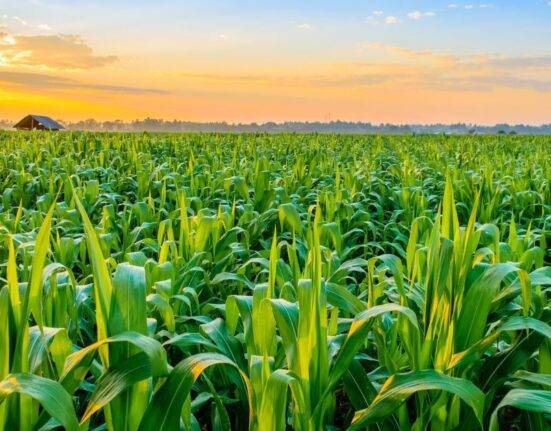
 Corn (maize) is one of the most economically important crops in the world, supporting global food systems, livestock industries, and modern manufacturing. Grown on every continent except Antarctica, corn provides revenue for hundreds of millions of farmers and workers involved in planting, harvesting, transportation, processing, and trade. Its high yield per hectare and adaptability to different climates make it a reliable and profitable crop for both developed and developing nations.
Economically, corn plays multiple roles. It is a staple food for billions of people and a primary ingredient in numerous products, including cornmeal, cooking oil, sweeteners, and snack foods. Even more significantly, corn is the backbone of the global animal feed industry, supplying energy-rich nutrition for poultry, cattle, and fish, which in turn supports the meat, dairy, and egg markets worldwide.
Corn as One of the Most Widely Grown Crops
Corn, also known as maize, is one of the world’s most important and widely cultivated crops. Valued for its versatility, it serves as a staple food for humans, a key ingredient in animal feed, and a raw material for numerous industrial products, including biofuels, sweeteners, and starch. Its adaptability to different climates and soils has made why is corn one of the most important crops in the world a cornerstone of global agriculture.
Major Producing Countries
The largest producers of corn are the United States, China, Brazil, Argentina, and Ukraine. The United States consistently leads global production, particularly in the Midwest, often referred to as the “Corn Belt.” China follows closely, with corn being a vital part of its food and livestock industry. Brazil and Argentina have rapidly expanded their corn production due to the favorable climate and advanced farming techniques. Ukraine is a major exporter, supplying corn to many countries worldwide.
Corn in Sustainable and Climate-Smart Agriculture
Corn plays a central role in sustainable and climate-smart agriculture due to its versatility, high productivity, and ability to integrate into environmentally responsible farming systems. As one of the world’s most widely grown crops, corn supports food security while also providing feed, fiber, and renewable energy resources. When managed using climate-smart practices, corn production can enhance its resistance to climate change and reduce agriculture’s environmental impact.
Sustainable corn farming emphasizes soil health, efficient water use, and reduced dependence on synthetic inputs. Techniques such as crop rotation, conservation tillage, cover cropping, and integrated pest management enhance soil structure, increase organic matter, and reduce soil erosion. These practices not only improve long-term productivity but also promote carbon sequestration, helping to mitigate greenhouse gas emissions.
Cultural and Social Importance of Corn
 Corn, beyond its agricultural and economic significance, holds profound cultural and social importance worldwide. As a staple in many diets, it shapes culinary traditions, from tortillas in Mexico to cornbread in the United States. Corn also carries symbolic meaning, representing life, fertility, and community in various indigenous cultures. Festivals, rituals, and folklore often celebrate their harvest, fostering social cohesion and shared identity. Moreover, corn-based crafts, music, and art highlight its role in cultural expression. Its integration into daily life and heritage underscores corn not just as a crop, but as a vital thread in the social and cultural fabric of societies.
Challenges and the Future of Corn Production
Corn production faces increasing challenges due to climate change, pest pressures, soil degradation, and water scarcity. Rising global demand for food, livestock feed, and biofuels adds pressure on farmers to boost yields sustainably. Technological advances, such as precision agriculture, genetically improved varieties, and efficient irrigation, offer promising solutions; however, their adoption varies significantly across the globe. Environmental issues, including the emission of greenhouse gases and risks associated with monoculture, also require careful management. Looking ahead, striking a balance between productivity and sustainability will be crucial.
Conclusion:
Corn’s importance is undeniable—from feeding the world to driving innovation. Its history reflects human progress, its nutrition sustains health, and its economic reach builds prosperity. Yet, as we face environmental challenges, sustainable practices will ensure its future. Whether in your meal, fuel tank, or everyday products, corn quietly powers our world. As global needs evolve, this crop will continue to be essential, adapting as it has for why is corn one of the most important crops in the world millennia.
FAQ:
What Makes Corn a Globally Important Crop?
Corn is one of the most widely cultivated and versatile crops in the world. Its importance comes from its multiple uses in food, animal feed, biofuel, and industrial products. It is a staple food in many countries, serving as a critical source of calories, protein, and carbohydrates for both humans and livestock.
Where is Corn Primarily Grown?
Corn is cultivated on every continent except Antarctica. The United States, China, Brazil, and Argentina are the largest producers. The crop thrives in regions with fertile soil, adequate rainfall, and a moderate climate, making it adaptable to many agricultural systems.
How is Corn used in Human Food?
Corn is highly versatile in human consumption. It can be eaten in various forms, including sweet corn, cornmeal, corn flour, corn syrup, popcorn, tortillas, and breakfast cereals. Corn oil is also widely used in cooking, while high-fructose corn syrup serves as a common sweetener in processed foods.
Why is Corn Important for Animal Feed?
A significant portion of global corn production is used as feed for livestock, including cattle, pigs, and poultry. Corn provides essential energy and nutrients, supporting the production of meat, dairy, and eggs worldwide.
Can Corn be Used for Energy Production?
Yes. Corn is a key raw material for biofuel production, especially ethanol. Corn is an essential part of renewable energy initiatives because ethanol made from corn is mixed with gasoline to lessen reliance on fossil fuels and greenhouse gas emissions.