
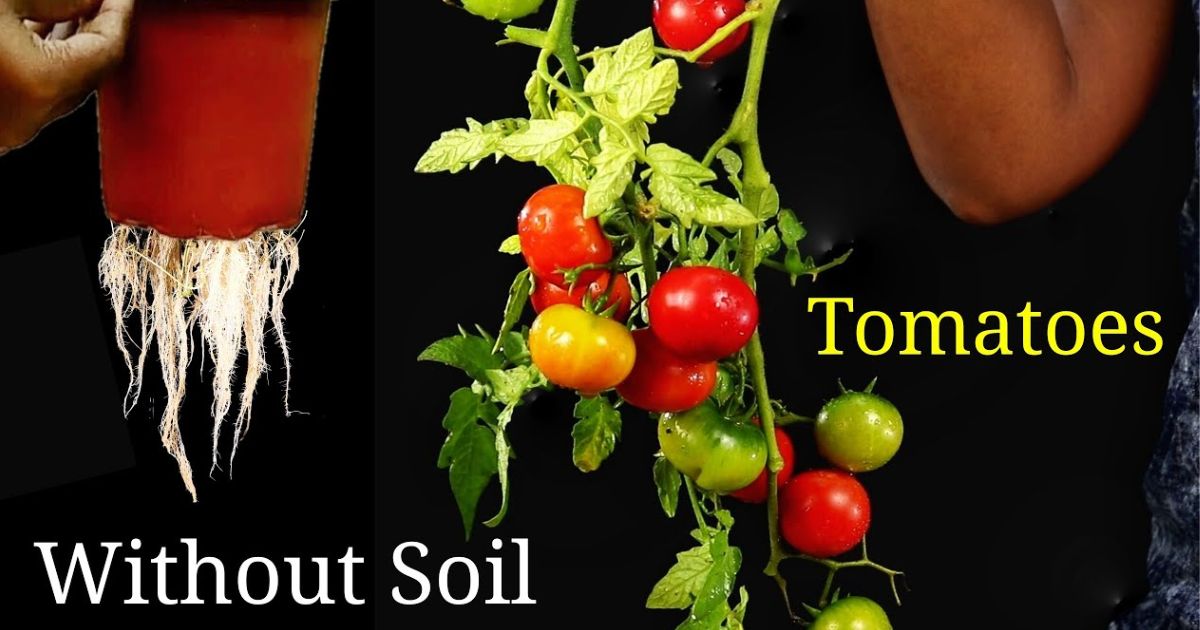
Modern agriculture is undergoing rapid changes, and one of the most exciting innovations is hydroponics, a farming technique that uses no soil to cultivate crops. In a hydroponic system, farmers can grow plants without soil by supplying a balanced nutrient solution directly to the plant roots. This advanced method enables plants to grow using only water and nutrients, making it possible to cultivate crops efficiently in controlled environments, such as greenhouses or indoor settings. Through hydroponic and aeroponic techniques, plants are grown faster, cleaner, and more sustainably compared to traditional farming methods. When crops are grown hydroponically, materials like rockwool are often used to support the roots, especially for leafy vegetables like lettuce. With proper care, a grower can produce fresh food year-round, demonstrating that plants without soil are not only possible but also a practical solution for the future of farming.
What Does Growing Crops Without Soil Mean?
Growing food without soil means producing crops using modern methods where plants receive everything they need without relying on traditional farmland. In a hydroponic farm, crops grow without soil, using a specially prepared nutrient-rich water culture instead. This process involves growing plants in a controlled environment where the root system is directly exposed to water, oxygen, and essential nutrients.
In hydroponic growing, a growing medium such as rockwool, coco coir, or clay pellets is often used to support the plant, allowing its roots to absorb nutrients efficiently. Hydroponics involves growing plants in optimized growing conditions, including proper light, temperature, and humidity, Hydroponic Farming For Beginners: A Complete Guide which helps improve overall plant growth. Different hydroponic growing systems are employed, depending on the crop type and available space, with deep-water systems being one of the most popular methods for growing fast-growing leafy vegetables.This innovative approach shows how crops can be produced efficiently without soil while maintaining healthy roots and consistent yields.
Types of Soil-Less Farming Methods
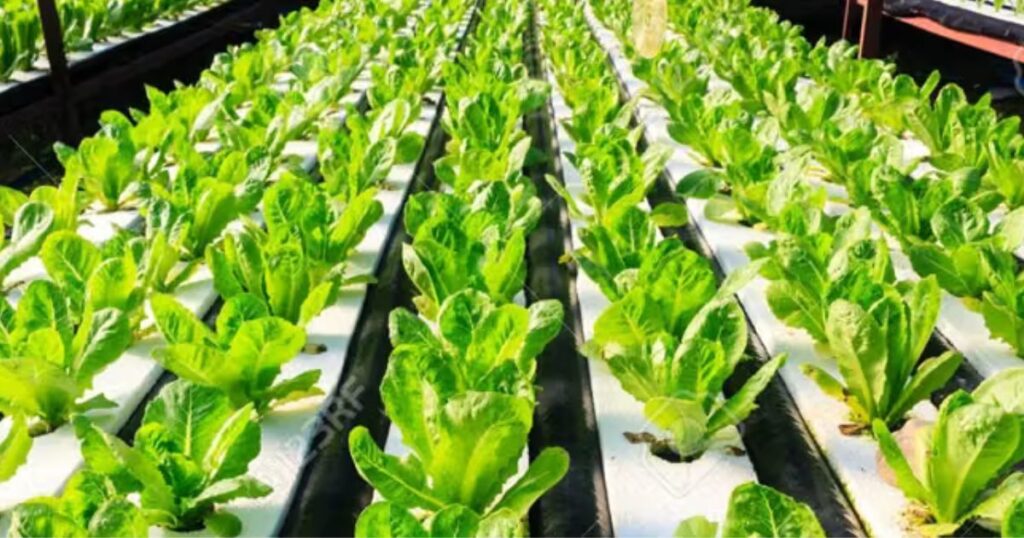
Soil-less agriculture offers an innovative way to grow crops without the use of soil, making it possible to produce fresh food in limited spaces while conserving resources. These systems are widely used for cultivating plants efficiently and creating sustainable food for a growing population. Below are the primary types of soilless farming methods currently used.
Hydroponics
Hydroponics is the most popular method for growing crops, where plants are grown hydroponically by delivering nutrients directly to their roots through a water-based solution. In this system, plants are placed in a hydroponic medium such as expanded clay, coco coir, or rockwool instead of organic soil. Many vegetables and herbs are now hydroponically grown, including leafy greens and herbs, Hybrid Farming because many plants adapt well to this method.
Several commercial hydroponic systems are used in modern farms, including nutrient film technique, ebb and flow, and deep-water systems. These methods enable plants to be grown faster while using less water than conventional farming techniques. As a result, hydroponic produce plays a vital role in modern hydroponic food production.
Aeroponics
Aeroponic farming takes soil-less cultivation one step further. Instead of a growing medium, plant roots hang freely in the air and receive nutrients through a fine mist. This technique provides high oxygen exposure to the plant’s roots, encouraging rapid growth and efficient nutrient absorption. Aeroponics is ideal for environments where space and water efficiency are critical.
Aquaponics
Aquaponics combines hydroponics with aquaculture, specifically fish farming, in a closed-loop ecosystem. Fish waste supplies nutrients to plants, while plants help clean the water for the fish. This system supports hydroponic food production naturally and is considered one of the most eco-friendly ways to produce crops without the use of soil.
How Plants Grow Without Soil
Hydroponically grown crops thrive because soil is not essential for plant life; nutrients, water, oxygen, and light are. This method of increasing replaces soil with advanced cultivation systems that deliver everything plants need directly to their roots. In modern hydroponic greenhouses, crops are cultivated in a highly controlled environment where temperature, humidity, and light are carefully regulated for optimal growth and development.
Unlike aquatic plants that grow naturally in water, hydroponic crops rely on nutrient-enriched solutions rather than plain water. These systems carefully manage water usage, often using purified or distilled water mixed with essential minerals to enhance its quality and purity. This precise control is one of the reasons hydroponics offers faster growth and healthier plants compared to traditional farming.
A well-designed farming system ensures that oxygen reaches the roots, allowing crops to grow efficiently and consistently. Hydroponic farming offers flexibility in crop selection, allowing for the growth of plants such as tomatoes, cucumbers, lettuce, and herbs in limited spaces. Many popular hydroponic setups are designed to grow vertically, maximizing production while saving valuable land and water.This innovative approach demonstrates how modern agriculture can produce high yields with fewer resources, making soil-less farming a practical solution for the future.
Crops That Can Be Grown Without Soil
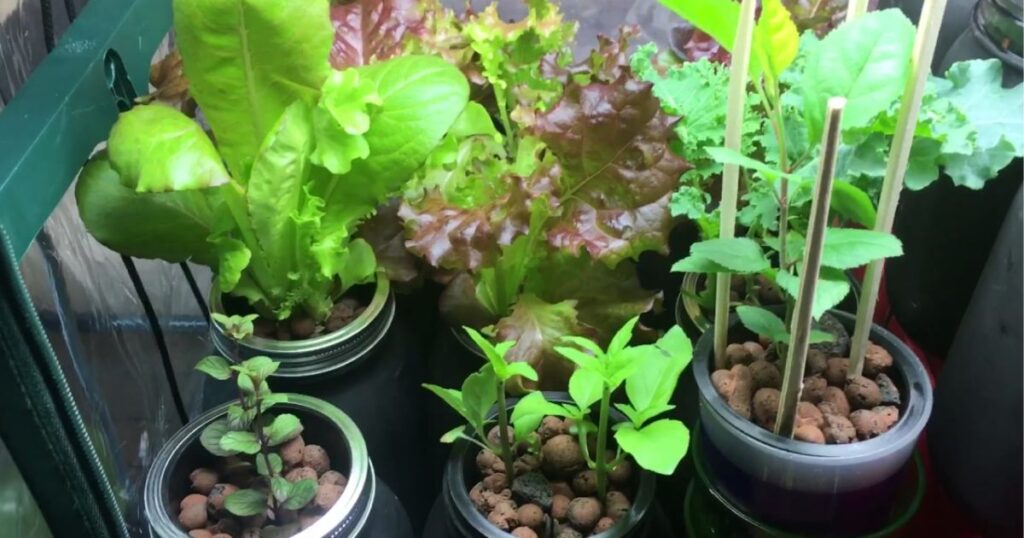
Soilless farming methods, such as hydroponics, aeroponics, and aquaponics, facilitate the efficient growth of a diverse range of crops. These systems provide plants with direct access to water, nutrients, and oxygen, enabling faster growth and higher yields compared to traditional farming methods.
Leafy Greens
The most popular crops cultivated without soil are leafy greens. Lettuce, spinach, kale, arugula, and Swiss chard grow quickly in hydroponic systems, requiring minimal space for cultivation. Their shallow root structure makes them ideal for water-based growing methods.
Herbs
Herbs perform exceptionally well in soil-less systems. Basil, mint, coriander, parsley, thyme, and oregano thrive under controlled conditions and are widely produced year-round in indoor and greenhouse setups.
Fruiting Vegetables
Several fruit-bearing plants can also be grown successfully without soil. Tomatoes, cucumbers, peppers, strawberries, and eggplants adapt well to hydroponic and aeroponic systems when proper support and nutrients are provided.
Microgreens
Microgreens, such as mustard, radish, broccoli, and sunflower, are ideal for soilless cultivation. They grow quickly, require very little space, and are highly nutritious, making them popular among both commercial and home growers.
Root Vegetables (Limited)
Some root crops, such as green onions, garlic greens, and radishes, can be grown hydroponically. However, large root vegetables, such as potatoes and carrots, are more challenging and less common in soilless systems.
Advantages of Growing Crops Without Soil
Growing crops without soil offers numerous benefits for modern agriculture, especially in areas facing land shortages and climate challenges. One of the main advantages is the ability to produce a healthy plant by delivering nutrients directly to the roots through nutrient-rich water. In these systems, the solution continuously flows past the roots, ensuring consistent nutrient uptake and improved plant growth and development.Soil-less farming also allows growers to use clean, controlled plant material, which reduces the risk of soil-borne diseases and pests. Because nutrients and environmental factors are carefully managed, crops often have a short growing cycle, enabling faster harvests and increased productivity throughout the year.
Another significant benefit is improved access to food. Crops can be grown regardless of climate, making it possible to produce fresh vegetables in urban areas, deserts, or regions with poor soil quality. This flexibility supports local food production and reduces dependence on long-distance transportation.Growing crops without soil promotes efficiency, sustainability, and reliable food production while supporting strong plant health and consistent yields.
Disadvantages and Challenges
While growing crops without soil offers numerous advantages, it also presents several disadvantages and challenges that growers must carefully consider. One of the most significant limitations is the high initial setup cost. Soilless systems require specialized equipment, such as pumps, pipes, grow lights, sensors, and nutrient delivery systems, which can be expensive for beginners and small-scale farmers.Another major challenge is the need for technical knowledge and constant monitoring. Unlike traditional farming, hydroponic and aeroponic systems depend on precise control of nutrients, water quality, pH levels, and temperature. Any imbalance can quickly affect plant health and reduce yields. System failures, such as power outages or pump malfunctions, can cause significant damage to crops within minutes.
Soil-less farming is also heavily dependent on electricity. Lighting, water circulation, and climate control systems must run continuously, especially in indoor and vertical farms. This dependence increases operational costs and poses a risk in areas with an unreliable power supply.Additionally, not all crops are suitable for growing without soil. Large root vegetables and grain crops are difficult to grow efficiently in hydroponic systems, limiting crop diversity. There is also an environmental concern related to the disposal of nutrient solutions and non-biodegradable growing media if they are not adequately managed.Despite these difficulties, many of these problems can be avoided with careful preparation, training, and the adoption of renewable energy sources. However, understanding these disadvantages is essential before adopting soil-less farming methods on a commercial or household scale.
Soil-Less Farming vs Traditional Agriculture
Soilless farming and traditional agriculture both aim to produce food, but they differ significantly in their methods, resource utilization, and efficiency. Understanding these differences enables farmers and growers to select the most suitable solution, tailored to their specific location, budget, and production objectives.
Growing Method
Traditional agriculture relies on natural soil to provide nutrients, water retention, and root support. In contrast, soil-less farming methods such as hydroponics, aeroponics, and aquaponics grow plants without soil by delivering nutrients directly to the roots through water-based systems.
Water Usage
Conventional farming often uses a significant amount of water, much of which is wasted through evaporation and runoff. Soil-less farming systems recycle water, using significantly less water while maintaining optimal hydration for plants.
Space and Yield
Soil-based agriculture typically requires large areas of land and is heavily influenced by soil quality. Soil-less farming can be done indoors, in greenhouses, or vertically, allowing higher yields in smaller spaces and making it suitable for urban environments.
Climate Dependence
Traditional farming depends heavily on weather, seasonal changes, and climate conditions. Soil-less farming operates in controlled environments, Commercial Farming: enabling year-round production regardless of climate or location.
Pest and Disease Control
Soil-borne pests and diseases are common challenges in traditional agriculture. Soilless systems reduce these risks by eliminating soil, resulting in cleaner crops and a reduced need for chemical pesticides.
Cost and Skill Requirements
Traditional farming generally has lower startup costs but requires fertile land. Soilless farming involves a higher initial investment and requires more technical expertise, although it often yields faster growth and more consistent results over time.
Is Soil-Less Farming the Future of Agriculture?
Natural resources are becoming increasingly scarce as the world’s population continues to grow. Increases. Soilless farming could play a significant role in the future of agriculture. One of its most substantial advantages is the ability to produce food regardless of climate, allowing crops to be grown in deserts, cities, and regions with poor or degraded soil.In soilless systems, plant roots are suspended in air or water, and a nutrient solution is pumped through the system, flowing past the roots continuously or at scheduled intervals. Living The Land After nourishing the plants, the solution drains back into a reservoir for reuse. This procedure guarantees a consistent flow of oxygen. Essential nutrients promote faster and more robust plant growth compared to many soil-based techniques.
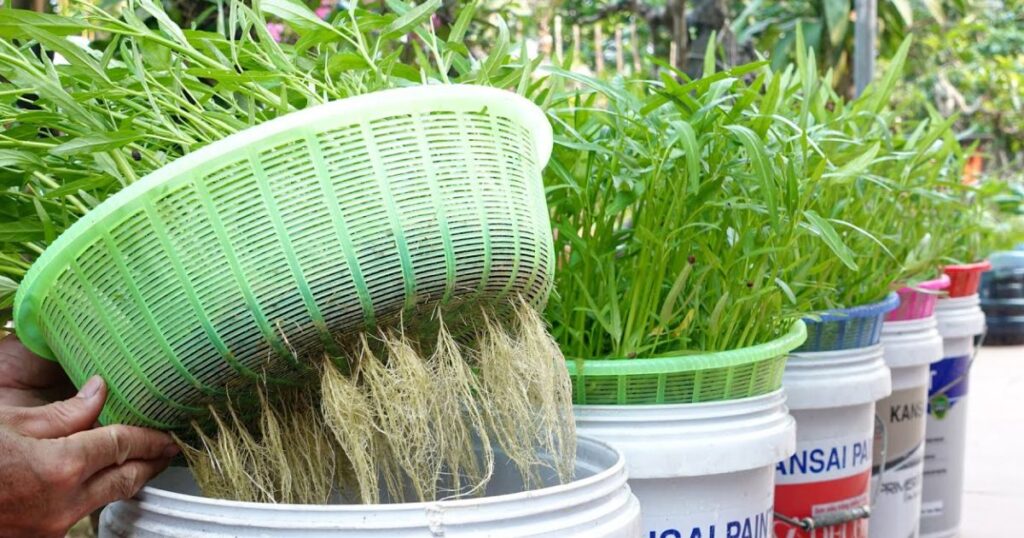
Unlike traditional farming, which depends heavily on organic matter in the soil to feed plants, soilless farming delivers nutrients directly and precisely. This reduces waste, improves efficiency, and allows growers to control plant nutrition with great accuracy. Combined with vertical farming and greenhouse technology, soil-less systems can produce high yields using less land and water.While soil-less farming may not completely replace traditional agriculture, it is likely to become an essential part of a mixed farming future. Complementing soil-based methods offers a practical and sustainable solution for feeding the world in an era of climate uncertainty and resource scarcity.
Conclusion
Growing crops without soil is no longer just an experiment; it is a proven method that combines innovation, sustainability, and efficiency. Hydroponics, aeroponics, and aquaponics enable plants to grow faster, healthier, and with less water and space than traditional farming methods. By delivering nutrients directly to the roots, flowing past them, and ensuring oxygen reaches the roots, soil-less systems maximize plant growth while reducing dependence on organic matter and fertile land.
This modern approach enables food production regardless of climate, making it ideal for urban farming, indoor greenhouses, and year-round cultivation. Hydroponic Farming For Beginners While the setup requires investment and technical expertise, the benefits, including shorter growing cycles, higher yields, and safer crops, make it a valuable tool for the future of agriculture.In short, soilless farming represents a practical, efficient, and sustainable approach to meeting the growing demand for fresh, nutrient-rich food, demonstrating that agriculture can thrive without relying on soil.
FAQ
Can plants really grow without soil?
Yes! Plants can be grown hydroponically, aeroponically, or in aquaponic systems without the use of soil. These methods supply nutrients to the roots using nutrient-rich water or a mist, allowing crops to grow efficiently.
What crops can be grown without soil?
Fruiting crops, such as tomatoes and cucumbers, as well as herbs like mint and basil, leafy greens like spinach and lettuce, and kale, are frequently cultivated. Hydroponically. Additionally, microgreens are often cultivated in this manner. Some root crops can also be grown in soilless systems with proper support.
Is soil-less farming more efficient than traditional farming?
Yes. Soilless systems use less land and water, provide oxygen to the roots, and allow plants to grow faster under controlled growing conditions, often resulting in higher yields than traditional soil-based farming methods.
Can soil-less farming work indoors?
Absolutely. Hydroponic greenhouses and vertical indoor farming systems enable year-round cultivation, regardless of climate, by utilizing artificial light and controlled nutrient delivery, allowing crops to grow efficiently.
What is the difference between hydroponics and aeroponics?
In hydroponics, plants are placed in a hydroponic medium or a floating setup with nutrient solution pumped to the roots. In aeroponics, the roots are suspended in air and sprayed with a nutrient mist, maximizing oxygen exposure and nutrient absorption.