

In an era where environmental sustainability and food security are becoming increasingly critical, sustainable agriculture practices have gained prominence worldwide. Among these practices, crop rotation stands out as one of the most effective and environmentally friendly methods for improving soil health, reducing pest infestations, and enhancing crop productivity. This blog post examines the concept of crop rotation in sustainable crop rotation agriculture, its benefits, and provides a comparative guide on how different crop rotation strategies impact farming outcomes.
What is Sustainable Agriculture?
Sustainable agriculture refers to farming methods that meet current food needs without compromising the ability of future generations to meet their own needs. It emphasizes ecological balance, resource conservation, and minimal environmental impact while upholding social responsibility and economic feasibility. Unlike conventional agriculture, which often relies heavily on chemical fertilizers and monocropping, sustainable agriculture emphasizes natural processes, biodiversity, and the preservation of long-term soil crop health.
Key Principles of Sustainable Agriculture Include:
- Maintaining soil health: Preserving fertility and preventing erosion.
- Reducing chemical inputs: Minimizing the use of synthetic fertilizers and pesticides.
- Enhancing biodiversity: Supporting diverse plant and animal life.
- Resource efficiency: Optimizing water, energy, and land use.
- Economic viability: Ensuring farms remain profitable.
Crop Rotation
Crop rotation is the practice of growing different types of crops sequentially on the same land over different seasons or years. Rather than planting the same crop repeatedly (monoculture), farmers rotate crops in a planned sequence to maintain soil fertility, reduce pest and disease pressures, and increase yields through crop rotation.
How Crop Rotation Works
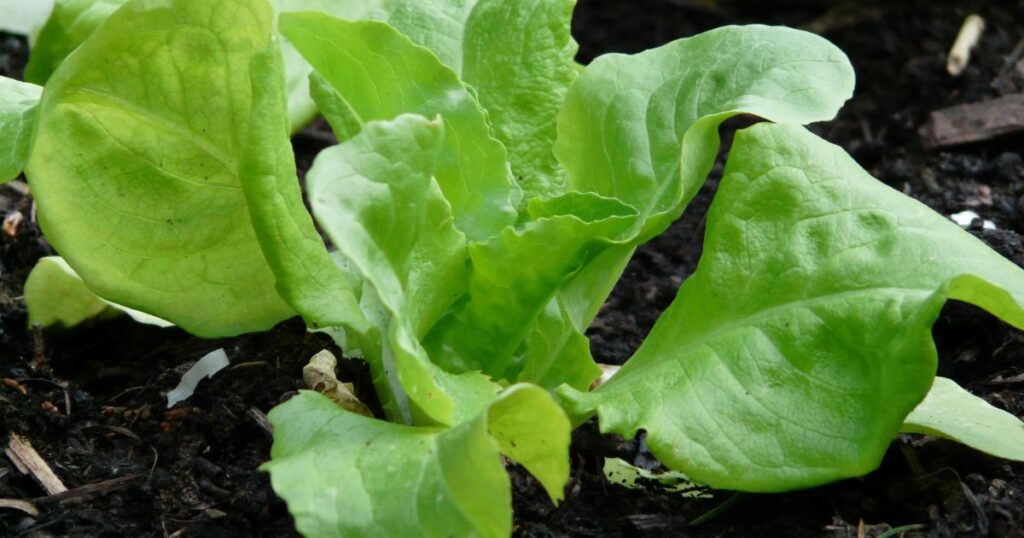 Crop rotation works on simple ecological principles:
- Nutrient management: Different crops have different nutritional requirements. For example, legumes (like peas and beans) fix nitrogen in the soil, benefiting the next crop in rotation, such as cereals.
- Pest and disease control: Rotating crops breaks the life cycle of pests and pathogens, reducing infestations naturally.
- Soil structure improvement: Deep-rooted crops enhance soil aeration, while cover crops reduce erosion and improve organic matter content.
Types of Crop Rotation
Crop rotation is a key practice in sustainable agriculture that involves growing different types of crops in a particular order to preserve soil fertility, control pests, and improve yields. There are several types of crop rotation. Simple rotation alternates two crops, such as cereals and legumes, to balance the use of nutrients. Complex rotation involves three or more crops in a planned sequence, enhancing soil health and reducing disease buildup.
Strip cropping rotates crops in adjacent strips within the same field, minimizing erosion. Relay cropping involves overlapping growing seasons by planting a second crop before the first is harvested. Each type is chosen based on soil conditions, climate, and sustainable crop requirements, promoting sustainable and productive farming systems.
Two-Crop Rotation
Two-Crop Rotation is a simple and effective farming practice where two different crops are grown alternately on the same field over successive seasons or years. This system helps improve soil fertility, reduce pest and disease buildup, and enhance overall crop productivity. Typically, a nutrient-demanding crop is followed by a soil-enriching crop, such as a cereal, followed by a legume that helps the soil retain nitrogen.
Two-crop rotation also improves soil structure, reduces erosion, and supports sustainable agriculture by minimizing reliance on chemical fertilizers and pesticides while maintaining stable yields of different crops over time.
Three-Crop Rotation
Three-Crop Rotation is a sustainable farming practice where three different crops are grown on the same field in a planned sequence over successive seasons or years. Each crop is selected to complement the others by using nutrients differently, improving soil structure, and breaking pest and disease cycles. Commonly, a cereal crop is followed by a legume and then a root or oilseed crop.
This rotation helps maintain soil fertility, reduces reliance on chemical fertilizers and pesticides, and improves overall crop yields. By balancing nutrient demand and soil health, three-crop rotation supports long-term agricultural productivity and environmental sustainability.
Four-Crop Rotation or Multi-Crop Rotation
Four-Crop Rotation or Multi-Crop Rotation is a sustainable farming system where four or more different crops are grown sequentially on the same land over several seasons. This method enhances soil fertility, balances nutrient use, and reduces pest, disease, and weed pressure without relying heavily on chemical inputs.
By alternating crops with different root depths and nutrient requirements—such as grains, legumes, root crops, and cover crops—farmers can enhance soil structure and improve water retention. Four-crop rotation also increases yield stability, supports biodiversity, and promotes long-term nutrient agricultural sustainability.
Mixed or Intercropping Rotation
Mixed or Intercropping Rotation is a farming practice where two or more crops are grown together on the same field and then rotated over seasons. This method enhances land use efficiency by enabling crops with diverse growth habits, nutrient requirements, and root depths to coexist. Intercropping rotation helps reduce pest and disease pressure, improves soil fertility, and minimizes weed growth. By alternating crop combinations each season, farmers enhance biodiversity, stabilize yields, and promote sustainable agriculture while making better use of sunlight, water, and soil nutrients.
Benefits of Crop Rotation in Sustainable Agriculture
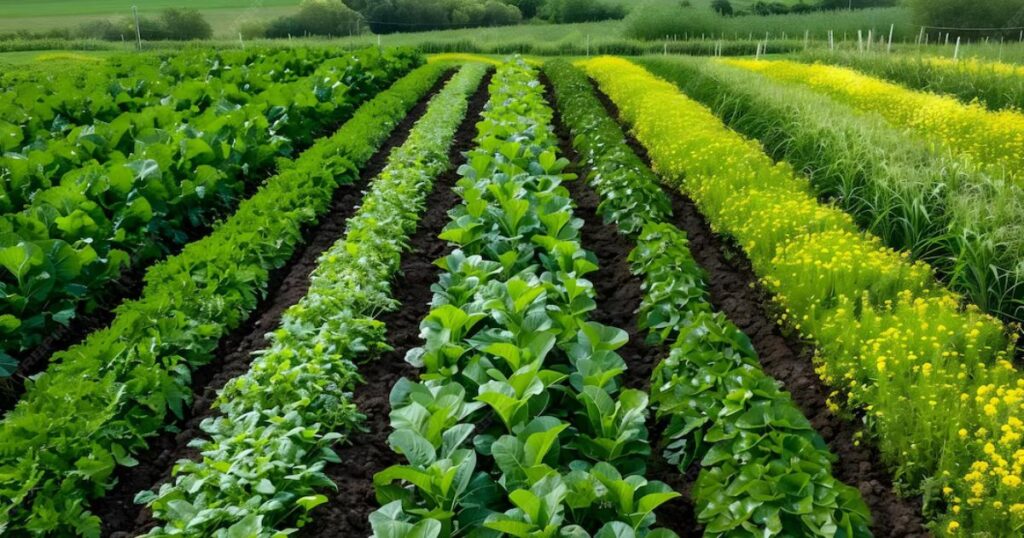 Crop rotation is a cornerstone of sustainable agriculture, offering numerous environmental and economic benefits. By alternating different crops on the same land across seasons, farmers naturally enhance soil fertility, reduce nutrient depletion, and lower their reliance on chemical fertilizers. This practice disrupts pest and disease cycles, lowering crop losses and reducing dependence on pesticides.
Additionally, crop rotation enhances soil structure and organic matter content, thereby promoting improved water retention and enhanced erosion control. It also supports biodiversity both above and below the ground, fostering resilient ecosystems. Economically, it can increase yields over time and reduce input costs. Overall, crop rotation is a practical and eco-friendly strategy that sustains cover crop productivity while protecting the environment.
Soil Fertility Improvement
Soil Fertility Improvement refers to the crop rotation strategies that promote practices used to enhance the soil’s ability to supply essential nutrients, water, and biological support for healthy plant growth. It involves maintaining balanced soil nutrients, improving organic matter, and supporting beneficial microorganisms. Methods such as crop rotation, composting, green manuring, proper fertilization, and reduced tillage help restore soil structure and productivity. Improved soil fertility leads to stronger crops, higher yields, better resistance to pests and diseases, and more sustainable agricultural systems in the long term.
Pest and Disease Management
Pest and Disease Management involves crop rotation, which is essential for preventing, monitoring, and controlling insects, weeds, and plant diseases that threaten crop health and productivity. It combines cultural, biological, mechanical, and chemical methods to reduce damage while protecting the environment. Effective management focuses on early detection, accurate identification, and targeted action to minimize crop loss and prevent the development of resistance. Practices such as soil health, crop rotation, the use of resistant varieties, the introduction of beneficial organisms, and the responsible use of pesticides help maintain healthy plants, improve yields, and support sustainable agriculture in the long term.
Weed Suppression
Certain crops in a two-year rotation, such as dense cover crops, shade out weeds or release allelopathic chemicals that inhibit weed growth. Rotating crops with different growth patterns and fertilization also prevents weeds from adapting to a single type of crop in a farmer’s environment.
Comparative Insight: Fields with multi-crop rotation exhibit up to 40% fewer weed infestations, compared to monoculture pest and disease fields with a single crop.
Soil Structure and Erosion Control
Crop rotation improves soil structure by alternating deep-rooted and shallow-rooted plants:
- Deep roots enhance aeration and water infiltration.
- Surface-covering crops reduce erosion and runoff.
- Organic matter from decomposed crops enhances soil aggregation.
Comparative Insight: Rotational systems reduce soil erosion by 25–40% compared to continuous-rotation monoculture.
Increased Crop Yield and Quality
Healthy soil, controlled pests, and improved nutrient balance lead to higher and more legume-stable yields:
- Legume-cereal rotation increases cereal yields by 10–15%.
- Root crop rotations can enhance the quality and size of tubers.
- Multi-year rotations reduce yield fluctuations caused by soil depletion.
Comparative Insight: Farms using three- or four-crop rotations often outperform monoculture farms by 15–30% in yield stability.
Environmental Sustainability
Crop rotation reduces environmental impacts:
- Lowers chemical fertilizer and pesticide use.
- Reduces soil erosion and nutrient runoff into waterways.
- Increases biodiversity on and around farms.
Comparative Insight: Rotational systems contribute to long-term soil carbon when a crop is planted, helping to mitigate climate change.
Economic Benefits
Although crop rotation may require more planning, it provides economic advantages:
- Reduced expenditure on fertilizers and pesticides.
- Diversified crops minimize market risk.
- Improved yields lead to higher overall farm income.
Comparative Insight: Farmers adopting rotation often report 10–20% higher net profits from crop diversity over a five-year period compared to monoculture systems.
Comparative Guide: Crop Rotation Strategies
Crop rotation is a productive farming cornerstone of sustainable agriculture, providing a natural approach to maintaining soil fertility, controlling pests, and achieving long-term productivity. This comparative guide explores diverse crop rotation strategies, examining how alternating cereals, legumes, root crops, and cover crops can enhance nutrient cycling, reduce soil-borne diseases, and minimize the need for chemical inputs.
By comparing traditional, modern, and intensive rotation systems, the guide highlights their respective benefits, challenges, and suitability for different farm sizes and climates. Whether you are a small-scale grower or a commercial farmer, this resource offers practical insights, clear sustainability comparisons, and actionable tips to optimize yields, enhance soil health, and promote nitrogen-fixing crop development, ultimately leading to resilient and sustainable cropping systems.
Designing an Effective Crop Rotation Plan
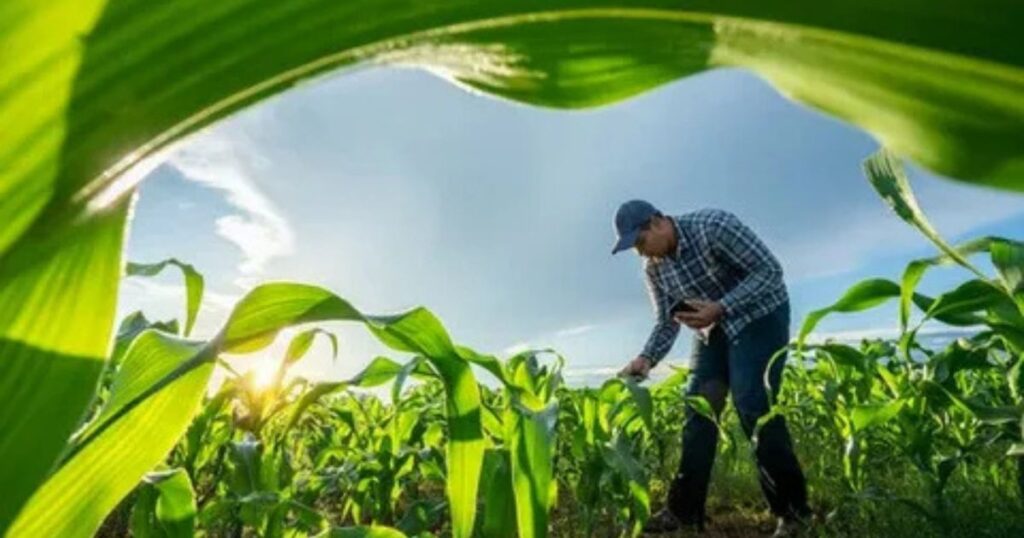 Designing an Effective Crop Rotation Plan focuses on utilizing crop rotation, organizing crops in a strategic sequence to enhance soil health, increase yields, and mitigate the impact of pests and diseases. This approach balances nutrient use by alternating heavy feeders with crops that fix nitrogen, thereby improving soil health. An effective plan considers factors such as climate, soil type, crop families, and market or household needs.
By rotating crops seasonally or annually, farmers can naturally manage weeds in their rotation charts, minimize their reliance on chemical inputs, and protect long-term productivity. Whether for small gardens or large farms, a well-designed crop rotation plan supports sustainable agriculture by enhancing biodiversity, conserving resources, and ensuring resilient, profitable crop production over time.
Assess Soil Health
Assessing soil Health involves evaluating the physical, chemical, and biological conditions of the soil to determine its capacity to support a diverse range of crops and promote plant growth. This process includes examining soil structure, texture, nitrogen-fixing legume moisture retention, nutrient availability, pH levels, and organic matter content.
Biological indicators of sustainable farming, such as microbial activity and the presence of earthworms, also play a crucial role in assessing the effectiveness of sustainable practices. Regular soil health assessments enable farmers and gardeners to identify problems early, enhance crop productivity, improve water efficiency, and adopt sustainable management practices that protect soil nutrients, promote soil fertility, and foster long-term improvements in soil health resilience.</span>
Select Crops Strategically
Include a mix of:
- Cereals (wheat, rice, maize) for sustainable land management staple production.
- Legumes (peas, beans, lentils) for nitrogen fixation.
- Root crops (carrots, potatoes) for soil aeration.
- Cover crops (such as clover and rye) are used to protect the soil during fallow periods.
Consider Pest and Disease History
Rotating crops increases soil organic matter, which is based on their susceptibility to diseases and pests. Steer clear of growing soil crops from the same family in simple rotation in consecutive seasons.
Monitor and Adjust
Regularly monitor soil fertility, crop performance, and pest pressure to ensure optimal conditions for beneficial insects in crop rotation planning. Adjust rotations for different plants based on observations and the evolving farm type, including successful crops, soil health benefits, and rotation conditions.
Case Studies in Sustainable Crop Rotation
Case Studies in Sustainable Crop Rotation presents real-world examples of how thoughtful crop rotation enhances soil health, increases yields, and promotes long-term sustainable agriculture on farms. This description highlights practical case studies from diverse farming systems, showing how rotating crops, such as legumes, cereals, and cover crops, reduce pest pressure in corn-soybean rotations, enhance nutrient cycling, and lower the risk of increased dependence on chemical inputs.
Each case demonstrates that measurable environmental and crop rotation benefits include improved soil structure, better water retention, and increased resilience to climate variability. By focusing on proven strategies rather than theory alone, this section offers valuable insights for farmers, students, and agricultural professionals seeking practical, evidence-based approaches to sustainable cash crop agriculture through effective crop rotation and healthy soil practices.
Case Study 1: Midwest United States
Farmers in Iowa typically rotate crops, including corn, soybeans, nd oats. Soybeans replenish the nitrogen in the crop rotation system, oats act as a cover crop, and the corn rotation schedule benefits from the improved soil fertility resulting from crop rotation. Results show that crop rotation enhances soil quality, reduces fertilizer usage, lowers pest incidence, and increases the overall yields of the rotation plan.
Case Study 2: India
Rice-wheat rotation is a standard practice, but introducing legumes, such as mung beans, has significantly enhanced crop rotation, improved sustainable soil nitrogen levels, and reduced dependence on chemical fertilizers.
Case Study 3: Europe
Multi-crop rotations in Europe, which include cereals, legumes, root crops, and cover crops, have enhanced environmental sustainability, improved row crop rotation strategies, promoted biodiversity, and stabilized yields in the exact location despite variable climate conditions within a farming system.
Challenges of Crop Rotation
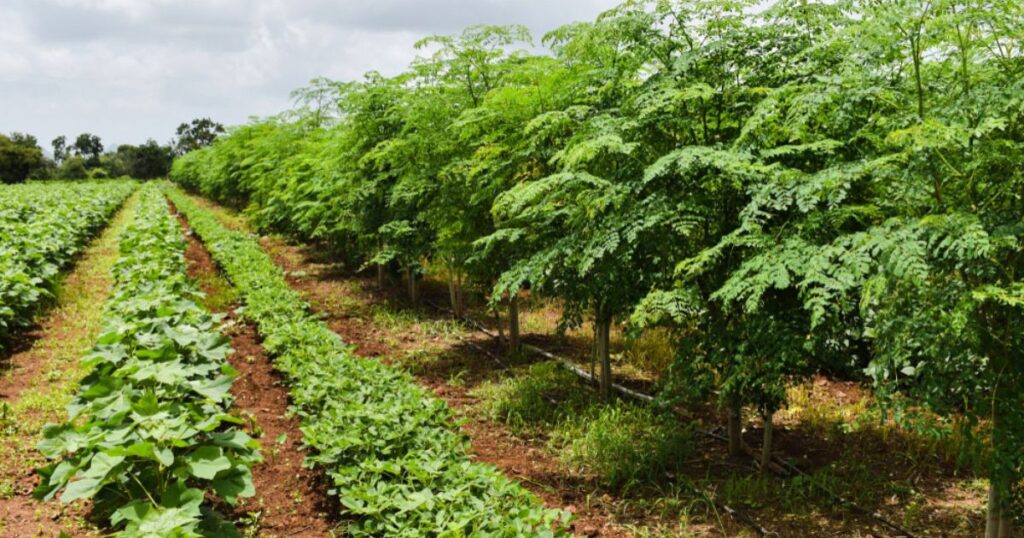 While crop rotation has many benefits, it also faces challenges:
- Planning complexity: Multi-crop rotations require careful scheduling.
- Labor requirements: Diverse crops may need different planting and harvesting methods.
- Market dependency: Farmers must find markets for all crops in rotation.
- Initial investment: Transitioning from monoculture may require additional resources.
Despite these challenges, the long-term ecological and economic benefits far outweigh the short-term difficulties associated with the use of pesticides.
Conclusion:
Sustainable agriculture and sustainable crop rotation are deeply interconnected. Crop rotation is not just a farming technique; it is a strategy that enhances soil fertility, controls pests and weeds naturally, improves yields, and supports environmental sustainability. From two-crop systems to complex multi-crop rotations, the benefits grow as planning becomes more strategic.
Farmers worldwide are adopting crop rotation as a cornerstone of sustainable agriculture because it addresses both soil structure and the ecological balance of crop sequences. By carefully selecting crop sequences, monitoring soil health, and integrating cover crops, farmers can ensure long-term soil vitality, reduce chemical dependency, and secure higher, more nutrient-stable crop yields.
FAQ:
What is Crop Rotation in Sustainable Agriculture?
Crop rotation is the practice of growing different types of crops on the same field in a planned sequence over multiple seasons. In sustainable agriculture, this integrated crop rotation method is employed to enhance soil health, mitigate pest and disease pressure, conserve nutrients, and reduce reliance on chemical fertilizers and pesticides.
Why is crop Rotation Essential for Sustainability?
Crop rotation supports sustainability by maintaining soil fertility, preventing soil erosion, and promoting regenerative agriculture that fosters biodiversity. Rotating crops helps break pest cycles and implement crop rotation disease cycles, improves soil structure, and reduces environmental harm caused by monocropping and excessive chemical use.
How does crop Rotation Improve Soil Health?
Different crops interact with soil in unique ways. For example, legumes add nitrogen to the soil in crop rotation, deep-rooted crops improve soil structure, and cover crops increase organic matter in crop rotation practices. Together, these effects enhance soil fertility, water retention, and microbial activity.
How does Crop Rotation Reduce pests and Diseases?
Many pests and diseases are crop-specific. Rotating crops disrupts their life cycles by removing the preferred host plants of their rotation cycle, reducing population buildup, and lowering the need for chemical pesticides.
Can crop Rotation Reduce the need for Fertilizers?
Yes. Leguminous crops naturally fix nitrogen in the soil, reducing the need for synthetic nitrogen fertilizers. Other crops help recycle nutrients from deeper soil layers, improving overall nutrient balance.