
Agriculture has long been a cornerstone of the United States economy, shaping rural landscapes, supporting livelihoods, and feeding both domestic and global populations. From vast wheat fields waving across the Great Plains to orchards heavy with fruit in California, the diversity of US agriculture is remarkable. Yet when we ask a seemingly simple question—what is the largest agricultural crop in the United States?—the answer reveals a powerful story about food systems, economics, technology, and global crop trade.
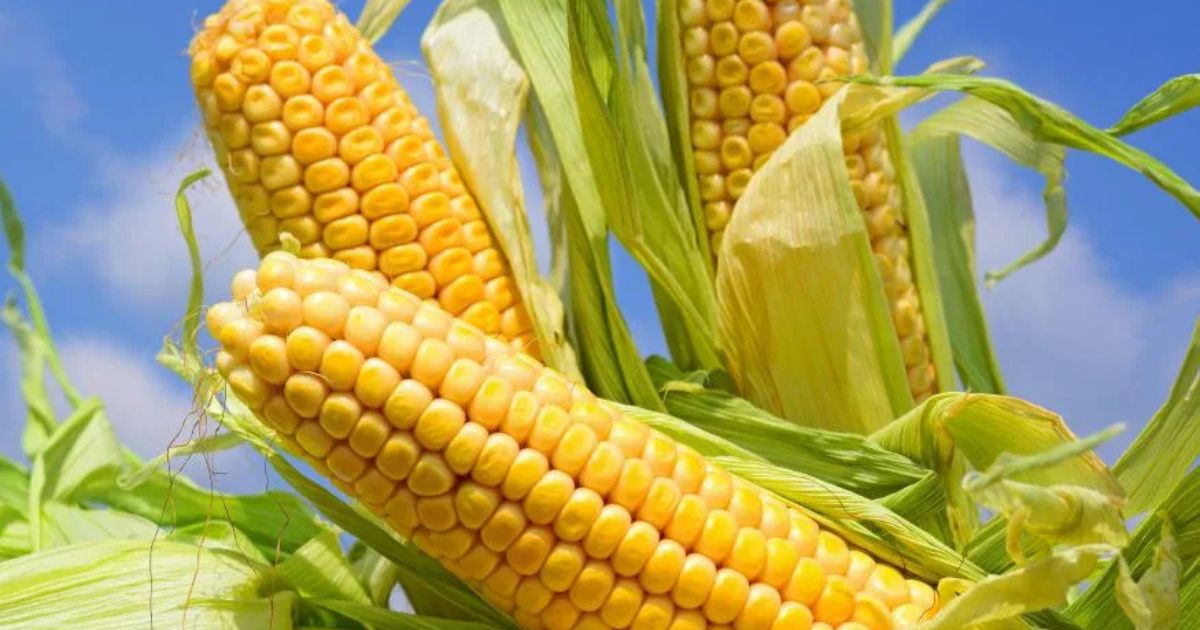
The clear and consistent answer is corn, also known as maize. Corn is the largest agricultural crop in the United States by Acreage, production volume, and overall economic value. Its dominance extends far beyond the dinner table; corn is deeply embedded in animal feed, biofuel production, industrial manufacturing, and international markets. This article examines why corn maintains its top position, its various uses, where it is grown, and why it is so significant to the American economy and global food and agricultural security.
Largest in Agriculture
Largest” in Agriculture refers to scale, impact, or dominance within the farming and food-production system. It can describe the crop with the most significant production volume, the highest economic value, or the widest land area coverage. “Largest” may also apply to the biggest farms, agribusiness companies, or livestock populations. In many contexts, the term highlights efficiency and influence—how much food a crop produces, how many people it feeds, or how strongly it supports national and global markets.
For example, a crop can be considered the largest by Acreage planted, while another may be the largest by revenue generated. Understanding what “largest” means in the context of agriculture helps clarify discussions about food security, land use, sustainability, and the economic importance of wheat across regions and soybean countries.
Corn: America’s Number One Crop
 Corn is the most widely grown and economically important crop in the United States, earning its place as America’s number one crop. Cultivated across millions of acres, especially in the Midwest’s Corn Belt, corn plays a vital role in food harvest production, animal feed, and industrial uses. It is a key ingredient in numerous everyday top crop products, ranging from breakfast cereals and cooking oils to sweeteners and biofuels, such as ethanol.
Beyond human consumption, corn supports the livestock industry by providing a reliable, energy-rich feed source. Its adaptability, high yields, and diverse applications make corn a cornerstone of US agriculture, contributing significantly to rural economies, global food security, and the sustainability of the livestock industry.
A Brief Overview of Corn
Corn, also known as maize, is one of the world’s most important and widely grown cereal crops. Originating in Central America, it has become a staple food and industrial crop across many regions, especially in the United States. Corn is highly versatile, used for human consumption, livestock feed, and a wide range of products, including corn oil, starch, sweeteners, and commodity biofuels. Warm areas with rich, well-drained soil and sufficient rainfall are ideal for growing this plant. Nutritionally, corn provides what is the united states largest agriculture crop carbohydrates, fiber, and essential vitamins like B-complex vitamins.
Why Corn Is the Largest Crop in the United States
Corn is the largest crop in the United States because of its unmatched versatility, high demand, and strong support from modern farming systems. It is used not only as a staple food ingredient but also as livestock feed, biofuel (ethanol), and a key component in thousands of everyday products, from sweeteners to biodegradable plastics. Corn grows well across much of the U.S. Corn Belt, where fertile soils, favorable climate conditions, and advanced agricultural technology enable farmers to achieve high yields consistently.
Government policies, research investments, and established infrastructure further enhance corn production and the distribution of corn and soybeans. Together, these factors make corn essential to the nation’s food supply, energy sector, and export agricultural economy, securing its position as the most widely grown and economically significant crop in the United States.
Massive Acreage
Massive Acreage refers to agricultural or land holdings that span an extensive area, often covering hundreds or even thousands of acres. Such vast expanses allow for large-scale cultivation of crops, extensive livestock grazing, or multi-use farming operations. Managing massive Acreage requires strategic planning, advanced machinery, and efficient resource allocation to optimize productivity.
The scale offers advantages such as flexibility in crop rotation, economies of scale, and the ability to diversify operations, ranging from row crops to orchards or pastures. However, it also poses challenges for exporters, including labor management, irrigation logistics, and soil conservation, making careful oversight essential for the success of sustainable agriculture in the United States.
Unmatched Production Volume
Corn is not only grown on more land than other crops—it also produces extraordinarily high yields. Modern hybrid seeds, precision agriculture, irrigation, and advanced fertilizers enable farmers to harvest an average of over 170 bushels per acre, with some regions producing even more. As a result, the United States produces more corn than any other country in the world, accounting for roughly one-third of global corn production.
Highest Economic Value
Corn consistently ranks as the most valuable agricultural crop in the United States. Depending on market conditions, its annual value often exceeds $80–100 billion, surpassing the combined value of US crops, including soybeans, wheat, cotton, and all fruits and vegetables.This value is not limited to the sale of raw corn. Corn drives entire industries, multiplying its economic impact many times over, ranking it among the top 20.
How Corn Is Used in the United States
 Corn plays a vital role in the United States’ Department of Agriculture, serving as one of the country’s most versatile and widely used crops. A large portion of US corn is used as livestock feed, supporting the beef, poultry, and dairy industries. Corn is also a key ingredient in many food products, including cornmeal, breakfast cereals, sweeteners like high-fructose corn syrup, and cooking oils. Beyond food, corn is essential to energy production, as it is the primary source for ethanol, a renewable fuel blended with US gasoline.
Industrially, corn is used to make biodegradable plastics, adhesives, cosmetics, and pharmaceuticals. Together, these uses underscore corn’s significance to American agriculture, food systems, energy security, and everyday consumer barley products.
Animal Feed
Animal feed refers to the food given to domestic and farm animals to ensure their proper growth, health, and productivity. It includes a variety of ingredients, such as grains, legumes, minerals, vitamins, and protein supplements, designed to satisfy the dietary requirements of many animals, including cattle, poultry, sheep, and pigs. High-quality feed promotes better weight gain, milk production, egg laying, and overall well-being.
Animal feed can be provided in various forms, including pellets, mash, silage, or concentrates. Sustainable and balanced feeding practices are crucial for optimizing livestock performance while minimizing environmental impact.
Ethanol and Biofuel Production
A significant portion of US corn is used to produce ethanol, a renewable biofuel blended with gasoline. Ethanol helps reduce reliance on fossil fuels and supports energy security. Corn-based ethanol has become a significant market for farmers, especially in the Midwest, where ethanol plants are closely tied to local economies.
Human Food Products
Although most people do not eat corn in its raw form every day, corn is a hidden ingredient in many agricultural marketing foods, including:
- Cornmeal and corn flour
- Breakfast cereals
- Tortillas and snack foods
- Corn syrup and high-fructose corn syrup
- Cooking oils
Corn-derived sweeteners, in particular, are widely used in processed foods and beverages.
Industrial and Manufacturing Uses
Corn is also a valuable industrial crop. Its components are used to make:
- Bioplastics
- Adhesives
- Paper coatings
- Pharmaceuticals
- Cosmetics
Corn starch and corn oil serve as renewable raw materials in many manufacturing processes, further expanding American farmers’ economic reach.
Where Corn Is Grown in the United States
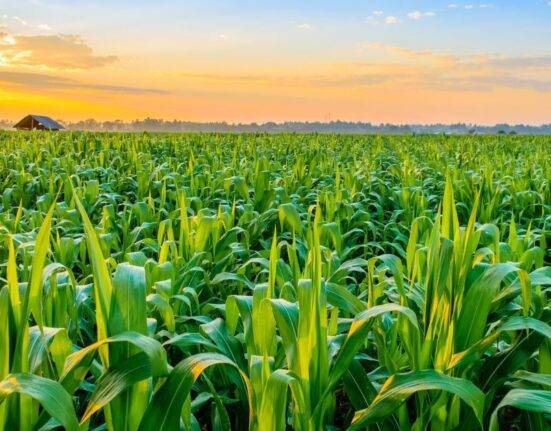
Corn is grown across much of the United States, but it is most heavily concentrated in the Midwest, a region commonly referred to as the Corn Belt. This area includes states such as Iowa, Illinois, Nebraska, Minnesota, Indiana, and Ohio, where fertile soils, moderate rainfall, and warm summers create ideal growing conditions. Iowa and Illinois consistently lead the nation in corn production, with corn being the primary crop.
Beyond the Corn Belt, corn is also widely grown in South Dakota, Kansas, Missouri, and Wisconsin. In the western United States, Nebraska and parts of Colorado rely on irrigation to support large corn harvests. Southern states, such as Texas and Kentucky, also cultivate corn, often for use as livestock feed. Together, these regions make the United States the world’s largest producer of farmland corn.
The Corn Belt
The heart of US corn crop types production lies in the Corn Belt, known for its deep, fertile soils and moderate rainfall. Iowa and Illinois consistently what is the united states largest agriculture crop rank as the top corn-producing states in the country.
Other Growing Regions
Other Growing Regions refer to areas outside the primary or well-known agricultural zones where specific crops or plants are cultivated. These regions often have unique climates, soils, and environmental conditions that influence the growth, flavor, and yield of crops. While production volumes may be smaller compared to major regions, these areas contribute diversity, the world’s largest local specialties, and resilience to agricultural systems.
Farmers in these regions often adapt innovative techniques to suit local conditions, making them essential for experimentation, niche markets, and preserving genetic variety. Understanding these regions helps appreciate the broader scope of global economic research in agricultural services.
Corn vs. Other Major U.S. Crops
While corn is the largest crop across the United States, several others play significant roles in American agriculture.
Soybeans
Soybeans are the second-largest crop in the US, harvested on a large scale. They are often grown in rotation with corn and are used for animal feed, cooking oil, and biodiesel. Despite their importance, soybeans trail corn in Acreage, top five production, and value.
Wheat
Wheat is a key staple crop used in the production of bread, pasta, and baked goods. However, wheat acreage and production have declined in recent decades, resulting in wheat acreage being surpassed by that of corn.
Cotton
Cotton is vital to the animal feed textile industry, but occupies far less land and has a lower overall economic value compared to oats and corn.
Fruits and Vegetables
While fruits and vegetables are nutritionally critical, they are grown on smaller acreages and produce what is the united states largest agriculture crop lower total economic value than corn.
The Role of Technology in Corn’s Dominance
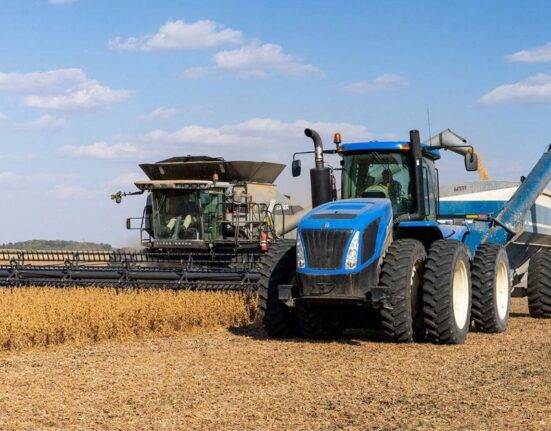
 Corn is now the most popular crop in the United States, primarily due to advancements in technology. Advances in seed genetics, including hybrid and genetically modified varieties, have significantly increased yields while improving resistance to pests, diseases, and drought. Precision agriculture tools, such as GPS-guided tractors, soil sensors, and satellite imaging, enable farmers to plant, fertilize, and irrigate corn more efficiently, thereby reducing waste and maximizing productivity. Modern machinery has also streamlined the planting and harvesting processes, enabling large-scale corn production with reduced labor requirements.
Additionally, data-driven farm management software allows growers to monitor crop health and make informed, timely decisions. Together, these technological innovations have reduced production costs, stabilized yields, and enhanced corn’s role as a key crop for food, feed, fuel, and industrial ethanol purposes.
Environmental Considerations
Environmental Considerations refer to the awareness and evaluation of how human activities impact the natural corn crop world. This includes assessing effects on air, water, soil, biodiversity, and climate. By considering environmental factors, individuals and organizations can minimize pollution, reduce waste, conserve resources, and promote sustainable practices. It involves understanding ecological footprints, adopting renewable energy sources, protecting habitats, and complying with relevant environmental regulations.
In agriculture, industry, construction, or daily life, ecological considerations guide responsible decision-making that balances growth with conservation, ensuring that development satisfies current poultry demands without jeopardizing the capacity of future generations to flourish in a robust hog ecosystem.
Soil and Water Use
Large-scale corn production can contribute to:
- Soil erosion
- Nutrient runoff
- Water pollution
Fertilizer and Chemical Inputs
Corn-related industries often require significant amounts of nitrogen fertilizer, which can impact waterways if not managed carefully in the agricultural sector.
Moving Toward Sustainability
Many farmers are adopting sustainable practices such as:
- Crop rotation
- Cover cropping
- Reduced tillage
- Precision nutrient management
These methods aim to balance corn production with the long-term environmental health of farms.
Corn and US Exports
The United States is the world’s leading corn exporter, shipping millions of tons annually to countries around the region known as the corn globe. Major importers include:
- Mexico
- Japan
- China
- Colombia
Corn exports strengthen the US trade balance and reinforce America’s role in global food security.
Why Corn Matters to the US Economy
Corn is a cornerstone of the US economy, supporting agriculture, energy, and manufacturing sectors nationwide. As the country’s largest crop by production, corn generates billions of dollars in farm income each year and provides livelihoods for millions of farmers, processors, and rural communities. It is a necessary ingredient in animal feed. Helping sustain the beef, poultry, and dairy industries, while also supplying raw materials for food products such as sweeteners, cereals, and cooking oils.
Beyond food, corn plays a vital role in renewable energy through the production of ethanol, thereby reducing dependence on imported fuels. Strong domestic demand and global exports make corn a major contributor to US trade, known as the corn belt stability, and a key factor in the country’s long-term agricultural resilience.
The Future of Corn in the United States
 Corn is likely to remain the United States’ largest agricultural crop for the foreseeable future. Demand for animal protein, renewable fuels, and plant-based industrial materials continues to grow. At the same time, research into sustainable farming practices and climate-resilient varieties will shape corn production in the coming cropland decades. Issues, including market volatility, climate change, and environmental regulations, will influence the future; however, corn’s adaptability and economic importance make it uniquely positioned to endure in various geographic areas.
Conclusion:
The United States’ largest agricultural crop is unequivocally corn. Its vast Acreage, immense production volume, and multifaceted uses make it the king of American fields. From the golden waves of the Midwest to tables and fuel tanks worldwide, corn embodies the scale and innovation of US central valley agriculture. Whether you’re a farmer, consumer, or policymaker, understanding corn’s role is key to grasping the nation’s food system.
As we face future challenges, sustaining this giant will require balance — innovation, stewardship, and diversification. Understanding corn’s role helps us better appreciate how US agriculture operates—and why this humble grain remains at the forefront of the nation’s farming environmental issues landscape.
FAQ:
What is the Largest Agricultural crop in the United States?
The largest agricultural crop in the United States is corn (maize). Corn consistently leads in terms of both Acreage planted and total production volume. It is a staple crop used for food, animal feed, biofuel, and industrial grower products.
Why is corn the Largest crop in the US?
Corn thrives in the US due to fertile soils, advanced farming technology, and favorable climate conditions in the Midwest, also known as the Corn Belt. Additionally, substantial domestic and international demand for food, livestock feed, and ethanol contributes to its large-scale cultivation.
How much corn is Produced Annually in the US?
The US produces over 15 billion bushels of corn annually on average, making it the world’s largest corn producer. Exact numbers vary from year to year, depending on weather conditions and market demand.
Are there other Major crops in the US?
Yes. After corn, other top crops include soybeans, wheat, cotton, and hay. Soybeans are especially significant as a protein source and oil crop.
How does corn Production impact the US Economy?
Corn is critical to the US agricultural economy. It supports farmers, livestock industries, biofuel production, and exports. Corn also influences global commodity markets, making it a key economic driver.