
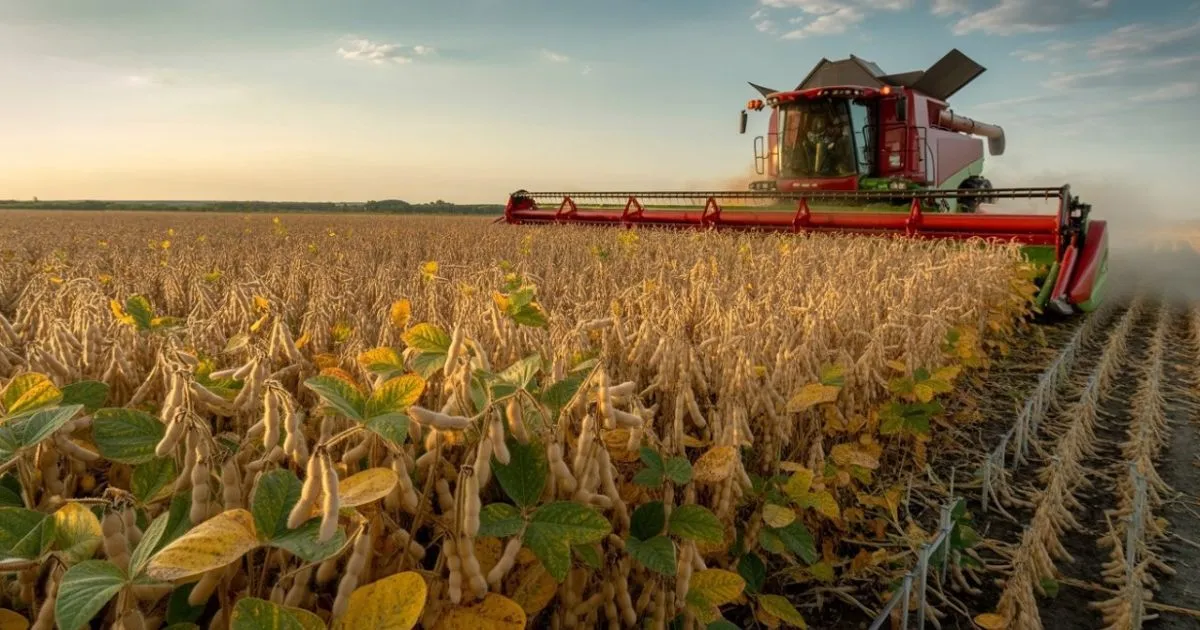
The soybean is one of the most important crops in modern agriculture, playing a vital role in food, feed, and global trade. Known simply as soy, this versatile crop has a long and intriguing history spanning thousands of years. Predating its emergence as a cornerstone of American soybean farming. From the early introduction of the soybean seed to large-scale commercial soybean production, the soybean has undergone a significant transformation in U.S. agriculture. Today, the United States is a leading exporter of soybeans and soybean-based products, including soybean meal and soy sauce, with guidance and research support from the USDA. Early pioneers like Morse helped promote soybean cultivation, laying the foundation for generations of soybean farmers. Through innovation, improved farming practices, and efficient harvest techniques, soybeans have grown from a little-known crop into a global agricultural powerhouse.
Origins of Soybeans: From Asia to America
The history of soybeans and soyfoods dates back to ancient East Asia, where soybeans were highly valued for their rich protein and oil content, and were used to produce traditional foods such as tofu, miso, and soybean oil. Over centuries, soybeans spread beyond Asia, eventually reaching Europe and North America. Historical records indicate that soybeans were first planted in the present-day United States around 1765, marking the introduction of this versatile crop to the Western world.
One of the earliest American soybean growers was Samuel Bowen, who cultivated soybeans in Georgia and even exported soy sauce to England. Influential figures, including George Washington, recognized the crop’s potential, while later innovators, such as George Washington Carver, highlighted the role of soybeans in improving soil fertility and supporting sustainable farming. During the late 19th and early 20th centuries, researchers like Hymowitz documented the spread of soybeans, while plant breeders developed varieties suited to American climates. Industrial pioneers, including Henry Ford, Saltwater Farming: The Future Of Coastal Agriculture also promoted the use of soybeans for industrial products, thereby boosting the crop’s significance.
Over time, soybean cultivation expanded across the Midwest from small experimental plots to millions of acres. Soybeans are currently one of the most extensively cultivated crops in the United States. which has become the world’s leading producer and exporter. The journey of soybeans from an imported plant to a cornerstone of American agriculture demonstrates their enduring economic and nutritional importance.
Expansion of Farming in the Early 20th Century

The early 20th century marked a turning point for soybean farming in the United States. Researchers recognized the high protein content and oil value of soybeans, prompting scientists and policymakers to advocate for their wider cultivation. Initially grown mainly as forage, soybeans gradually gained importance due to their nutritional and industrial potential, elevating them among America’s major crops.Universities and agricultural experiment stations played a key role in advancing soybean research. In Urbana, Illinois, early studies focused on improving yield, adaptation, What Soil is Best For Growing Soybeans and food uses, building on the earliest introductions of soybeans in the country. Specialized laboratories preserved soybean germplasm, enabling breeders to develop improved, resilient varieties suited to different climates.
As knowledge expanded, Americans grew increasingly interested in soybeans for both agriculture and diet. Researchers promoted soyfoods such as tofu, soy milk, and fermented products, while institutions like the FDA helped standardize quality and safety. Farmers discovered that soybeans enhance crop rotations and provide strong economic returns, while industries developed soybean-based products for broader consumption.By the mid-20th century, research innovations and rising market demand transformed soybeans from a minor experimental crop into a nationally significant commodity. This era laid the foundation for modern soybean agriculture, firmly establishing soybeans as a cornerstone of American farming and food systems.
World War II and the Soybean Boom
World War II brought about a significant shift in American agriculture, and soybeans emerged as a crucial component of the nation’s food and industrial strategy. With wartime trade routes disrupted and shortages of imported oils and proteins, American farmers were encouraged to expand soybean planting. As a result, acres of the crop increased rapidly, and soybeans are one of the few crops that experienced explosive growth during this period.In this, research institutions played a crucial role. Transformation. The soybean laboratory became a hub for improving varieties, processing methods, and end uses that supported the war effort. Scholars such as Hymowitz and Harlan later documented how wartime demand accelerated the adoption of soybeans and firmly established them in U.S. agriculture. Their work highlighted how scientific research and global events combined to reshape farming priorities.
Soybeans were not only crucial for oil and meal but also for food products. During the war years, soy-based foods gained attention, including quarts of soy sauce that were once made in Georgia, reviving earlier experiments in domestic soy food production. These developments echoed the pioneering efforts of early soybean promoters, such as Piper and Morse, who had long advocated for expanding soybean cultivation and use in the United States.By the end of World War II, soybeans had moved from a secondary crop to a strategic agricultural commodity. The rapid expansion in acreage and institutional support during the war years set the stage for postwar growth, ensuring that soybeans would remain a dominant force in American farming for decades to come.
Technological Advancements and Modern Soybean Farming
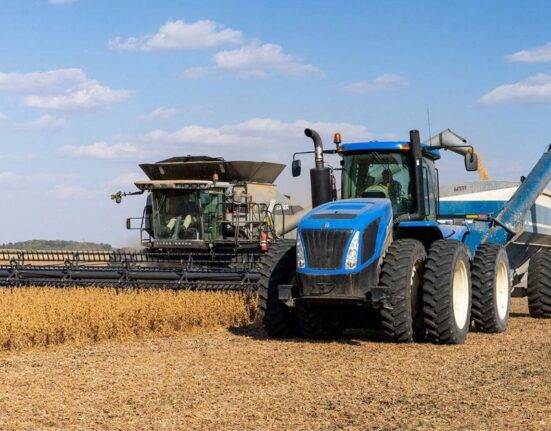
The rise of modern soybean agriculture has been driven by continuous technological advancements that transformed how soybeans are planted, managed, and harvested. Following World War II, innovations in farm machinery enabled American farmers to cultivate larger areas more effectively, leading to a notable rise in output across major soybean-growing regions. Improved planters, combines, and irrigation systems helped maximize yields while reducing labor demands.Advances in plant breeding and soybean research have led to the development of high-performing soybean varieties that are adapted to various climates and soil conditions. Scientists used improved soybean germplasm collections to enhance disease resistance, maturity timing, and yield potential. These improvements enabled farmers to expand soybean farming into new regions and optimize crop rotation systems, incorporating corn and wheat into their practices.

One of the most significant breakthroughs in recent decades has been the adoption of genetically modified soybeans. These varieties offered improved weed control, pest resistance, and yield stability, helping farmers manage large-scale soybean fields more efficiently. Precision agriculture tools, such as GPS-guided equipment, soil sensors, and data-driven decision-making, have further revolutionized soybean production by enabling accurate input use and reducing environmental impact.Today, soybeans are a cornerstone of sustainable farming systems. Conservation tillage, improved nutrient management, and digital monitoring technologies support soil health while maintaining high yields. These innovations ensure that modern soybean farming remains productive, efficient, and resilient, reinforcing soybeans’ role as one of the most important crops in contemporary U.S. agriculture.
Soybeans as a Cornerstone of U.S. Agriculture Today
Today, soybeans stand as a cornerstone of U.S. agriculture, shaping farm incomes, rural economies, and global food systems. The U.S. soybean crop covers tens of millions of acres, making soybeans one of the most widely planted crops in the country. Thanks to advanced farming practices and substantial research support, American producers consistently rank among the top contributors to world soybean production.Soybeans are valued for their versatility and efficiency. They are processed into soybean meal for livestock feed, soybean oil for food and industrial uses, and a wide range of soy products consumed domestically and abroad. As a result, soybean exports play a significant role in U.S. agricultural trade, supporting farm profitability and strengthening the nation’s position in global markets. Organizations such as the United Soybean Board help promote innovation, sustainability, and market development across the entire soybean value chain.
From an agronomic perspective, soybeans remain essential to sustainable farming systems. As a legume, the soybean plant naturally fixes nitrogen, reducing fertilizer needs and improving soil health when used in crop rotation. These benefits make soybeans an ideal companion crop What is the Process of Growing Soybeans alongside corn and other grains, helping farmers maintain productivity while managing costs.Beyond the farm, soybeans contribute to food security, renewable energy, and industrial innovation. They are used in foods, animal feeds, biodiesel, and environmentally friendly materials, reinforcing their importance across multiple sectors. Together, high demand, strong export markets, and sustainable production practices ensure that soybeans will continue to play a central role in U.S. agriculture for years to come.
Future of Soybean Farming in the United States
The future of soybean farming in the United States is shaped by innovation, changing diets, and expanding global markets. Although soybean farming has a long history, its role continues to evolve as new food and industrial uses emerge. Beyond traditional oil and meal, soybeans are increasingly processed into food and industrial products, ranging from plant-based proteins to bio-based materials, creating new income opportunities for growers.As consumer preferences diversify, soybeans are being utilized in an increasingly diverse range of applications. For example, when roasted and ground, soybeans have been used as a substitute for coffee in specific markets, illustrating the adaptability of this crop. At the same time, soy-based foods are often associated with health benefits, including support for heart health and lowering the risk of heart disease, which may further boost demand.

From a production standpoint, farmers could benefit from advances in climate-resilient varieties, precision agriculture, and sustainable practices that reduce costs and improve yields. These tools help manage uncertainty while ensuring soybeans remain competitive. Looking back at how farmers first adopted soybeans as a soil-improving crop, today’s producers are once again adapting, this time to climate challenges and market shifts. Modern Commercial Agriculture Global trends also point to strong growth ahead. The increasing demand for meat worldwide continues to drive demand for soybean meal as a high-quality feed for animals. This sustained need positions U.S. soybeans as a strategic crop for both domestic use and export markets. Together, innovation, health awareness, and global protein demand suggest that soybean farming will continue to be a vital and forward-looking part of American agriculture.
Conclusion
From its early beginnings as a minor crop, the soybean has evolved into a vital crop at the heart of American agriculture. What was once an unfamiliar plant gradually gained recognition through experimentation, research, and innovative farming practices. Over time, soybeans transitioned from small trial plots to national markets, eventually becoming a traded commodity on major exchanges, such as the Chicago Board of Trade, a clear indication of their economic significance.The journey of soybeans in the United States also reflects global connections. Early introductions and international interest, including references from the era of King George III of England, highlight how soybeans were part of broader agricultural exchanges long before they became mainstream in America. Understanding Food Costs Through decades of development, soybeans proved their value in food, feed, industry, and trade.
Today, the soybean’s transformation from a minor experiment to an important crop underscores its lasting impact on farming, markets, and global food systems. As agriculture continues to evolve, soybeans remain a powerful example of how innovation and persistence can turn a little-known crop into a cornerstone of modern agriculture.
FAQ
When were soybeans first grown in the United States?
Soybeans were first planted in the U.S. around 1765, with early cultivation by pioneers like Samuel Bowen in Georgia. Initially, they were grown primarily for forage and soil improvement, rather than for large-scale production.
Who promoted soybean farming in early America?
Key figures included George Washington Carver, Piper, and Morse, who advocated for the crop’s value in agriculture, food, and industry.
Why did soybeans become important in the U.S.?
Soybeans are a legume that improves soil fertility, are high in protein and oil, and can be processed into various soy products, including soybean meal, soybean oil, and even soy sauce. Wartime demand and research support also contributed to the importance of this crop.
How did World War II affect soybean farming?
During World War II, soybeans gained prominence as a replacement for imported oils. American farmers expanded acres of the crop, and research from soybean laboratories improved varieties and production techniques.
What are the primary uses of soybeans today?
Soybeans are used for food, animal feed, industrial products, and bio-based materials. They also support exports, making the U.S. a major contributor to world soybean production.
How have technological advancements impacted soybean farming?
Modern practices, including genetically modified soybeans, precision agriculture, and improved soybean varieties, have increased yields, efficiency, and sustainability in contemporary soybean agriculture.