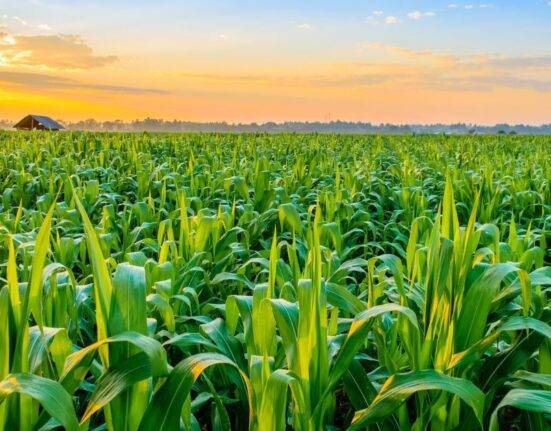

Soybeans are an important agricultural crop grown worldwide for their high protein and oil content. Successful soybean planting starts with understanding the soil, as soil conditions directly influence how well farmers can plant soybeans and achieve high yields. Proper soil preparation, balanced nutrients, and effective planting practices all play a crucial role in promoting healthy crop development and enhancing soybean yields.
Soybeans have a unique ability to fix nitrogen from the atmosphere, but this process is most effective when soil conditions are optimal. Conducting a soil test before planting helps farmers identify nutrient deficiencies, manage soil pH, and improve overall crop performance. By focusing on soil health, proper planting methods, and nutrient management, growers can increase yield, protect long-term soil fertility, and ensure sustainable soybean production.
Understanding Soybean Planting Requirements
Successful soybean production begins with selecting high-quality soybean seed and preparing good soil that supports healthy plant growth. Choosing the right soil type is crucial, as soybeans thrive best in well-drained, fertile soils that enable roots to develop easily and absorb nutrients efficiently. Before planting, farmers should focus on soil preparation, proper fertilizer application, and the use of organic inputs such as manure to improve soil structure and nutrient availability.
Seed treatment plays a vital role in protecting soybean plants from early-stage diseases and pests, ensuring uniform germination and strong establishment. To grow soybeans successfully, adequate nutrients must be available throughout the growing season, especially during flowering and pod formation. Balanced nutrient management, supported by soil testing, helps maximize nutrient uptake Boosting Soil Health and improve overall plant health.Proper planting depth, spacing, and timely management practices help soybean plants develop strong roots, healthy leaves, and well-filled pods. When planting requirements are carefully managed from seed selection to soil fertility, farmers can achieve higher productivity and sustainable soybean production.
What Soil Is Best for Growing Soybeans?

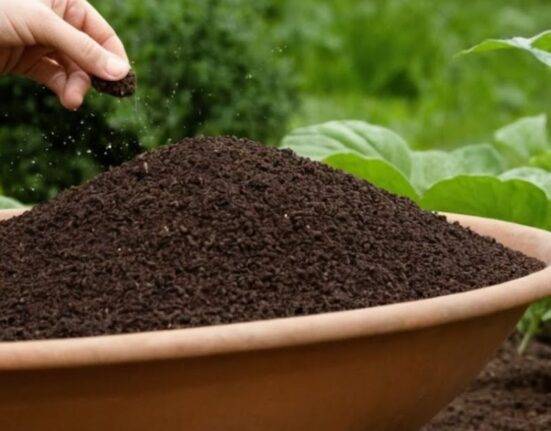
The ideal soil for growing soybeans is a well-drained, fertile soil that promotes robust plant growth throughout the growing season. Loam and sandy loam soils are suitable because their balanced composition of soil particles, including sand, silt, and clay, allows for good water retention while preventing waterlogging. Proper drainage is essential for soybean crops, as excess moisture can damage roots and reduce nitrogen fixation.Soil rich in organic matter helps improve soil structure, enhances moisture-holding capacity, and plays a key role in increasing soil fertility over time. Adding compost or well-decomposed manure per acre enhances soil health and provides essential nutrients for steady plant growth. Healthy soils also encourage beneficial microbes that support nitrogen fixation in soybean roots, reducing the need for excessive nitrogen fertilizer.
Soybeans perform best in soils that warm up quickly and remain workable early in the season, helping plants establish before the risk of frost. A loose, well-drained soil allows roots to expand easily and absorb nutrients efficiently during the entire growing season. Manure And Compost: Natural Boost For Healthy Soil To protect young plants from soil-borne diseases, seed treatment with a fungicide is often recommended, especially in fields with a history of disease problems.By maintaining proper soil structure, organic matter levels, and drainage, farmers can create ideal conditions for soybean crops, resulting in healthier plants, enhanced nitrogen fixation, and higher yields.
Managing Soil pH for Better Soybean Production
Maintaining soil pH control is crucial for boosting productivity and achieving high yields in soybean farming. Soybeans grow best in slightly acidic to neutral soil pH, where nutrients are readily available, and root development is strong. Poor soil conditions, especially overly acidic soils, can limit nutrient uptake and reduce yield potential measured in bushels per acre.A soil sample should be collected before planting and analyzed by a reliable laboratory or through a state university extension service. The soil test report provides valuable information on soil pH, nutrient levels, and recommended amendments. Based on these results, farmers can determine whether pH adjustment is necessary to improve soil conditions for optimal soybean growth.
When soil pH is too low, applying an appropriate liming material helps raise pH and improve nutrient availability. When lime is appropriately incorporated into the soil, it achieves consistent distribution and effective results. Liming should be done well in advance of the planting date to allow time for the material to react with the soil.Regular soil testing and timely pH management help soybeans grow efficiently throughout the season, support healthy root systems, and contribute to consistent, high yields. By following soil test recommendations and extension guidelines, farmers can maintain balanced soil conditions and improve long-term soybean production.
Best Soil Types for Soybean Planting
Selecting the best soil types for soybean planting is essential for strong establishment and consistent yields. An ideal soil for soybeans is well-drained, fertile, and able to maintain adequate soil moisture without causing waterlogging. Loam and sandy loam soils are widely preferred by soybean producers because they support healthy root development, making soybeans relatively easy to grow under optimal management conditions.Proper planting depth and row spacing should be adjusted based on soil texture and moisture conditions. In lighter soils, slightly deeper planting helps maintain contact with moisture, whereas in heavier soils, shallower planting is required to reduce the risk of soil crusting. Maintaining correct pH levels is also critical, as soybeans require balanced pH levels for effective nutrient uptake and root activity.

Different soybean varieties may respond differently to soil conditions; therefore, selecting a variety that matches the local soil type and climate is crucial. Seed treatment is recommended, especially when planting early or in cool, wet soils, to protect seedlings from disease. The use of an inoculant further supports nitrogen fixation, particularly in fields without a recent history of soybean cultivation.Good tillage practices help manage residue, improve seed-to-soil contact, and ensure uniform emergence. When soil moisture, pH, and structure are appropriately managed, soybeans establish quickly, tolerate early planting, and produce stronger stands. Choosing the right soil type and following best planting practices allows soybean producers to maximize yield potential and maintain long-term soil health.
Environmental Conditions Needed to Cultivate Soybeans
Successful soybean cultivation depends on managing environmental conditions that support strong early growth and protect long-term yield potential. Proper field preparation helps ensure good soil contact with the seed, which is essential for uniform germination and healthy root development in the root zone. Soybeans require soil that is well-aerated, fertile, and capable of sustaining steady moisture throughout the growing season.Planting practices such as using narrow rows and selecting the correct seeding rate help optimize light interception and reduce weed competition, allowing plants to reach their full yield potential. To support biological nitrogen supply, growers should inoculate seeds so soybean roots can efficiently obtain nitrogen from the atmosphere. This process reduces dependence on synthetic nitrogen and improves overall soil health.
Using cover crop systems helps protect the soil surface, reduces erosion, and improves organic matter when fields are prepared to utilize soil resources efficiently. The Ultimate Guide to Growing Lavender from Seeds Cover crops also help mitigate the impacts of crop removal by returning nutrients and residue to the soil, thereby enhancing soil health. Maintaining proper soil pH is essential, as liming materials with adequate neutralizing value improve nutrient availability and support root activity. Soil testing helps determine the amount of lime to apply based on field conditions.Environmental stress factors, such as nematode pressure, can damage roots and limit nutrient uptake, thereby reducing plant performance. Managing pests, soil fertility, and moisture together creates favorable conditions for soybean growth. When environmental requirements are carefully balanced, soybeans develop strong roots, fix nitrogen effectively, and produce consistent yields throughout the growing season.
How to Plant Soybeans
Planting soybeans correctly is crucial to prevent yield loss and ensure a strong stand establishment. The process begins with proper agronomic planning and timely field work. Soybeans perform best in loam soils that are well-drained and rich in nutrients. Before planting, the pH and nutritional content of the soil should be tested, enabling farmers to decide whether a liming product is necessary to correct soil acidity.Both conventional tillage and no-till systems can be successfully employed, depending on the field conditions. In no-till fields, surface applications of lime and fertilizers must be carefully managed to ensure that nutrients are effectively moved into the root zone. Accurate depth control during planting is crucial, as seeds placed too deeply or too shallowly can reduce emergence and weaken early growth.
Soybeans form nodules on their roots through a symbiotic relationship with beneficial bacteria. These nodules allow the plant to fix nitrogen naturally, reducing the need for nitrogen fertilizer. Orchard Trees However, in some cases, such as poor nodulation or low organic matter, soybeans may require supplemental nutrients, including micronutrient applications, to support early development.Proper seed placement, balanced nutrition, and good soil preparation help soybean plants develop strong roots and healthy nodules. When planting practices align with sound agronomic recommendations, farmers can protect yield per bushel, enhance plant vigor, and achieve consistent soybean production.
When and How to Harvest Soybean Plants
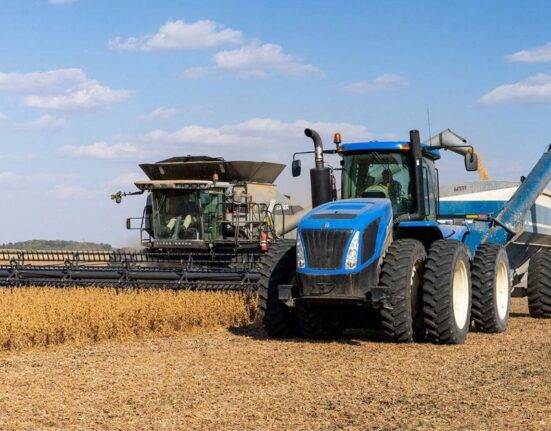
It’s critical to harvest soybeans at the ideal moment to achieve maximum yield and minimize unnecessary losses. Soybean plants are ready for harvest when most pods have reached maturity, seeds are firm, and moisture content has dropped to safe harvesting levels. Timely harvest ensures a positive yield response by reducing shattering, lodging, and weather-related damage.Healthy crop development throughout the season plays a crucial role in achieving a successful harvest. Proper soil management, including timely lime application, helps correct soil acidity and supports strong root growth. Fine lime particles work more efficiently in neutralizing soil acidity, improving nutrient availability, and preventing deficiency symptoms that can reduce yield. Farmers should apply lime well before planting so it has time to react with the soil and improve growing conditions.

Soybeans grow best in aerated soil that allows air and water to move freely through the root zone. Well-structured soil improves plant health during the growing season Fastest Growing Vegetables for Your Garden and supports uniform maturity at harvest. Poor soil aeration can delay maturity and reduce seed quality, ultimately affecting yield.During harvest, combine settings should be adjusted carefully to minimize grain loss and protect seed quality. The cutting height, reel speed, and ground speed should be adjusted to match the crop conditions. When soil fertility, lime management, and harvest timing are well coordinated, farmers can maximize yield, maintain seed quality, and ensure profitable soybean production.
Conclusion
Successful soybean production depends on careful management of soil, planting practices, and timely field operations. From proper soil testing and pH management to selecting the right soil type and planting method. Every stage is crucial in supporting healthy plant growth and stable yields. Maintaining good soil structure, adequate aeration, and balanced nutrients helps soybeans develop strong roots and an effective nitrogen-fixing system.
Practices such as correct lime application, proper planting depth, and timely harvest reduce yield loss and improve overall productivity. When soil conditions are optimized What Is An Agricultural Future and agronomic recommendations are followed, farmers can achieve consistent performance and long-term soil health. By focusing on sustainable management and informed decision-making, soybean growers can increase profitability while protecting their land for future crop production.
FAQ
What is the ideal soil pH for growing soybeans?
Soybeans grow best in pH ranges from 6.0 to 7.0, which makes them suitable for mildly acidic to neutral soils. A proper pH level ensures nutrient availability and supports the nitrogen fixation process.
Which soil types are best for soybean planting?
Loam and sandy loam soils are ideal because they are well-drained, fertile, and easy to work with, allowing for proper root development and moisture retention.
How can I improve the soil for higher soybean yields?
Adding organic materials, such as well-decomposed manure or compost, at a rate of one acre per application, along with proper lime application if necessary, enhances soil structure, fertility, and overall yield potential.
Why is seed treatment recommended for soybeans?
Seed treatment protects young soybean plants from early-stage diseases and pests, ensures uniform germination, and promotes stronger stand establishment.
How vital is nitrogen for soybeans?
Soybeans form a symbiotic relationship with nitrogen-fixing bacteria in nodules, allowing them to obtain nitrogen from the atmosphere. In poor soils, supplemental nitrogen fertilizer may be required.