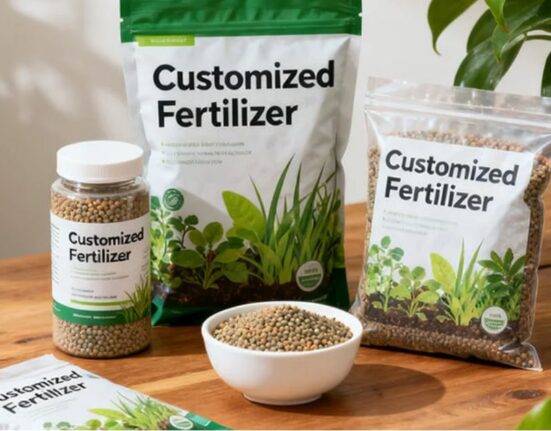

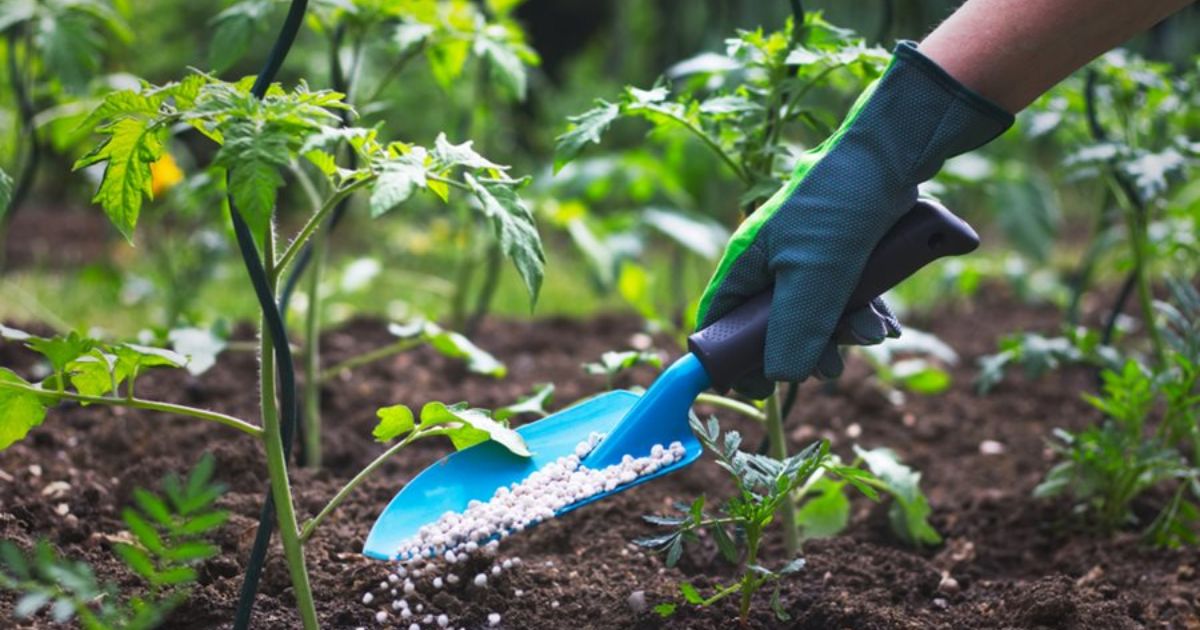
Because they provide the crucial nutrients that plants require for robust development and high yield, fertilizers are fundamental to modern agriculture. Reduced yields and poor plant health result from crops’ gradual depletion of the nutrients they receive from the soil as they grow. Fertilizers help replenish these nutrients, improve soil fertility, and support sustainable food production for a growing global population.Understanding fertilizers is not just about knowing which product to use; it also involves recognizing the types of fertilizers available, the nutrients they provide, and the correct application methods. The right fertilizers include, applied at the right time and in the right amount, can significantly enhance crop quality and yield while minimizing environmental harm.
We will examine the various types of fertilizers, the essential nutrients they contain, and the most effective application techniques. This knowledge will enable farmers, gardeners, and agricultural professionals to make informed decisions and use fertilizers responsibly, promoting long-term soil and crop health.
What Is Fertilizer?
Fertilizer is any natural or manufactured substance added to soil or plants to supply essential plant nutrients that plants need for healthy plant growth and higher crop yield. In agriculture and food systems, fertilizers are necessary for maintaining soil fertility and ensuring adequate plant nutrition, particularly when natural nutrients become depleted through continuous cultivation.Fertilizers contain both macronutrient and micronutrient elements. The primary macronutrients, including nitrogen, phosphorus, and potassium, are vital for leaf development, root growth, and overall plant strength. Additional vital nutrients, including calcium, magnesium, sulfur, and hydrogen, Sustainable Soil also support plant structure, enzyme activity, and nutrient absorption. For example, nitrogen fertilizer may be supplied in forms such as nitrate or ammonium, depending on the type of fertilizer and the crop’s requirements.
Organic and inorganic fertilizers are the two main types off ertilizer price. Manure, compost, and other organic resources are used to make organic fertilizers. Other organic matter, which enhances soil structure and promotes microbial activity. Materials like lime are also used to correct soil acidity and to improve nutrient availability. On the other hand, inorganic or synthetic fertilizer products are manufactured through industrial processes and provide nutrients in concentrated, fast-acting forms. These commercial fertilizer registration are widely used due to their consistent quality and predictable results.Modern fertilizer use involves careful planning based on findings from soil tests to identify the nutrients that are deficient in the soil. Proper fertilizer application, whether through solid granules, liquid fertilizer regulation, or slow-release formulations, ensures efficient nutrient uptake while protecting water quality and the environment. The responsible use of fertilizer enables farmers to maximize productivity while preserving soil health.
The global fertilizer industry focuses on continuous production and innovation of fertilizers to meet the growing demand for food. Each fertilizer product is designed to address specific nutrient needs, making it essential for farmers to use fertilizer correctly and choose the right option for their crops. organic materials review institute fertilizers are a cornerstone of modern agriculture, supporting sustainable yields and long-term soil health and productivity.
Types of Fertilizers

Based on source, composition, and purpose, nitrogen-based fertilizer can be classified into several significant types. Each type supplies specific nutrient elements that plants need for proper nutrition, healthy growth, and improved crop yields in agricultural and food systems.
Organic Fertilizers
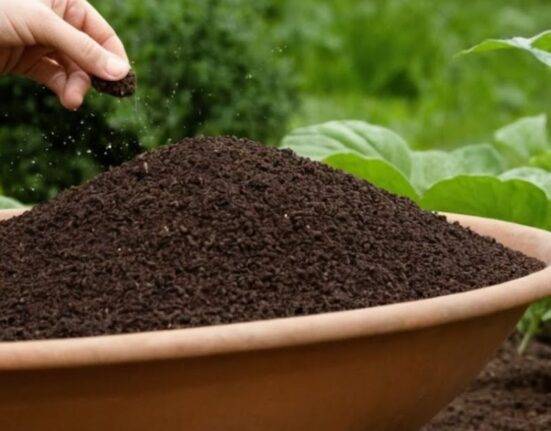
Organic fertilizers are derived from natural organic materials and are widely used to enhance soil health and long-term fertility. Common examples include manure, compost, green manure, and crop residues. These fertilizers enrich the soil with organic matter. Improving structure, moisture retention, and microbial activity.
Organic fertilizers contain essential plant nutrients, including nitrogen, phosphorus, potassium, calcium, magnesium, sulfur, and small amounts of micronutrient elements. Nutrients are released slowly, synthetic nitrogen fertilizer making them ideal for sustainable fertilizer use. Materials like lime are often applied in conjunction with organic inputs to reduce soil acidity and enhance nutrient availability.
Inorganic (Chemical) Fertilizers
Inorganic fertilizers, also known as synthetic fertilizers or commercial fertilizers, are manufactured through industrial processes in the global fertilizer industry. These fertilizers provide nutrients in concentrated and readily available forms, making them highly effective for rapid plant response.
Examples include nitrogen fertilizers (such as nitrate and ammonium forms), phosphatic fertilizers that supply phosphorus, and potassic fertilizers that supply potassium. Boosting Soil Health These fertilizers contain specific macronutrient elements and sometimes add micronutrient compounds to support balanced growth. soil amendment Appropriate fertilizer application based on soil testing results helps prevent nutrient loss and protects water quality.
Biofertilizers
Biofertilizers are living microorganisms that enhance the availability of nutrients in the soil. They support natural plant nutrition by fixing atmospheric hydrogen-related nitrogen, solubilizing phosphorus, and improving nutrient uptake. Though low in direct nutrients, they increase mineral fertilizer efficiency and reduce dependency on inorganic inputs.
Slow-Release and Controlled-Release Fertilizers
Slow-release fertilizers are designed to supply nutrients gradually over time. This type of fertilizer product reduces nutrient leaching, chemical elements improves fertilizer application efficiency, and ensures a continuous nutrient supply for optimal plant growth. They play a crucial role in protecting water quality and ensuring consistent yields.
Liquid Fertilizers
Liquid fertilizers are nutrients dissolved in water and applied directly to soil or foliage. They allow precise fertilizer application and quick nutrient absorption. Liquid forms are commonly used in modern farming systems where accurate fertilizer use is essential.
Specialty and Blended Fertilizers
These fertilizers are formulated for specific crops or growth stages. Blended products may contain multiple macronutrients and micronutrients in balanced ratios, based on crop demand and soil test data. They are essential to increasing productivity in fertilizer production and targeted nutrient management.
How to Apply Fertilizer

Proper fertilizer application is crucial for supplying crops with the necessary nutrients, enhancing soil fertility, promoting healthy plant growth, and boosting crop yield in agricultural and food systems. Correct fertilizer use ensures that the plants’ nutrient needs are met without harming the environment or reducing water quality.
Soil Testing Before Fertilizer Use
The first and most crucial step is a soil test before applying fertilizer. Soil testing helps determine soil acidity, nutrient deficiencies, and existing levels of macronutrients and micronutrients, such as sulfur, calcium, magnesium, potassium, phosphorus, and nitrogen. Based on test results, farmers can select the correct type of fertilizer and avoid both excessive and insufficient applications.
Choosing the Right Fertilizer
Different crops require different plant nutrients. Manure, compost, and other organic materials are examples of organic fertilizers. Improve the organic matter content and long-term soil health. Inorganic fertilizers, also known as synthetic fertilizers, supply nutrients quickly and are widely used in modern agriculture. Many fertilizers contain nutrients in forms such as nitrate and ammonium, which are primarily used in nitrogen fertilizers.
Methods of Fertilizer Application
- Broadcasting: Spreading fertilizer evenly over the soil surface before planting.
- Band Placement: Applying fertilizer near the root zone to enhance nutrient uptake.
- Side Dressing: Adding fertilizer during crop growth to meet changing nutrient demands.
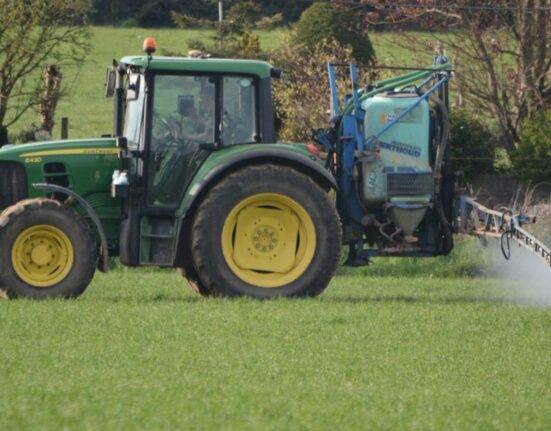
- Foliar and Liquid Application: Liquid fertilizers are applied to leaves or sprayed through irrigation for rapid absorption and precise nutrient delivery.
Using slow-release fertilizer products helps supply nutrients gradually, Manure And Compost reduces leaching, and protects water quality.
Applying Organic and Inorganic Fertilizers
When using organic fertilizers, nutrients are released slowly as organic matter decomposes, making them suitable for long-term soil improvement. Materials like lime are applied to correct soil acidity and enhance nutrient availability. Inorganic and commercial fertilizers provide immediate nutrients and must be used carefully to avoid losses.
Timing and Rate of Fertilizer Application
The use of fertilizer should be matched to the crop’s growth stage. Excessive nitrogen fertilizer can harm plants and soil, while proper timing improves plant nutrition and yield. Applying fertilizers at the correct rate reduces waste, promotes balanced nutrition, and enhances efficiency in fertilizer production and application.
Environmental Considerations
Responsible fertilizer use protects soil health and water quality. Overapplication can lead to nutrient runoff, which affects rivers and groundwater. The fertilizer industry increasingly promotes sustainable practices to balance productivity with environmental protection.
Choosing the Right Fertilizer
A key component of effective crop production, gardening, and sustainable agriculture is selecting the appropriate fertilizer. The proper fertilizer ensures that plants receive the necessary nutrients in the correct amounts and at the optimal times. This results in healthy growth and increased yields.A fertilizer applicator plays a crucial role in ensuring the accurate and even distribution of nutrients. Using the proper applicator helps avoid over-fertilization or nutrient deficiency, ensuring fertilizers can help plants grow efficiently without wasting resources.

Fertilizers are used for growing crops, vegetables, fruits, and ornamental plants in both small gardens and large farms. Depending on crop requirements, you can choose between liquid and dry fertilizers. Liquid fertilizers are fast-acting and are ideal when plants need a quick boost, Hydroponic Farming For Beginners while dry fertilizers release nutrients more slowly and are suitable for long-term soil nutrition.For environmentally friendly farming, many growers prefer fertilizers that are used in organic systems. Organic fertilizers enhance soil health, stimulate microbial activity, and promote sustainable agricultural practices. However, in situations where immediate nutrient availability is required, synthetic or blended fertilizers may be more effective.Ultimately, selecting the right fertilizer depends on soil condition, crop type, growth stage, and application method. When chosen wisely, fertilizers can help maximize plant health, improve productivity, and support long-term agricultural success.
Final Thoughts
Because they promote healthy plant growth and increase agricultural output, fertilizers are essential to modern farming and gardening. Understanding the various types of fertilizers and their respective nutrients, along with the proper application methods, enables growers to make informed decisions that benefit both plant and soil health.
Choosing the right fertilizer based on soil condition, crop needs, and growth stage helps ensure balanced nutrition and efficient nutrient use. Whether using organic or inorganic fertilizers, careful management and responsible application are essential to protect the environment and maintain long-term soil fertility. A Complete Guide to Agricultural Organic By applying fertilizers wisely and following best practices, farmers and gardeners can achieve higher yields, healthier plants, and more sustainable agricultural systems for the future.
FAQ
What is fertilizer, and why is it important?
A material put on soil or plants is called fertilizer. Supply essential nutrients needed for growth. It is important because it improves soil fertility, supports healthy plant development, and increases crop yield, especially when natural soil nutrients are insufficient.
What are the primary nutrients found in fertilizers?
Most garden fertilizers contain core nutrients, including potassium, phosphorus, and nitrogen, as well as secondary nutrients like sulfur, calcium, and magnesium. Some fertilizers also include micronutrients required in small amounts for proper plant growth.
What is the difference between organic and inorganic fertilizers?
Natural sources of organic nitrogen fertilizer application include manure and compost, which improve soil organic matter over time. Inorganic or synthetic fertilizers are manufactured products that provide nutrients quickly and in precise amounts.
How do I choose the right fertilizer for my crops?
The right fertilizer runoff depends on soil condition, crop type, and growth stage. A soil test helps identify nutrient deficiencies and guides the selection and application of proper fertilizers.
When is the best time to apply fertilizer?
Fertilizer should be applied when plants can use nutrients efficiently, usually before planting or during key growth stages. Timing depends on the crop type, climate, and the bag of fertilizer.