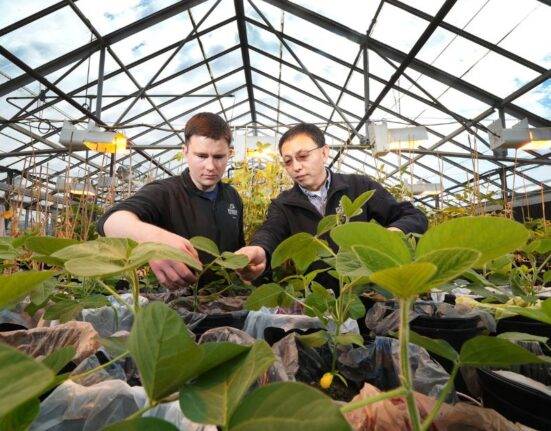


Successful farming does not happen by accident. It grows from smart decisions, careful planning, and a strong focus on long-term goals. Whether a producer is growing corn and soybeans, raising livestock, or managing a mixed operation, the path to becoming a truly successful farmer requires staying informed, adapting to market fluctuations, and protecting the legacy that families who make farming and ranching their livelihood want to pass on.
Across the United States, agriculture continues to evolve in response to shifts in supply and demand, commodity prices, input costs, weather patterns, and global trade issues. As a result, farmers and ranchers continually seek trusted news and information. Many turn to Successful Farming Magazine, extension programs, auction updates, and USDA reports to guide their next steps. Each season brings new challenges, yet it also brings new chances to grow stronger.
Today, three primary elements stand out as the backbone of profitable agriculture: innovative management and planning, embracing new tools and data, and building a long-lasting legacy through farm succession planning. Together, these create a roadmap that helps producers stay competitive while protecting the future of their farmland and family.
1. Smart Management and Planning Drive Successful Farming
At the center of every successful farm is solid management. This includes understanding market trends, tracking expenses, planning, and ensuring each acre is utilized effectively. Farmers who are successful in the long term take the time to study the USDA’s crop reports, monitor soil conditions, follow grain market trends, and estimate the costs of seed, fertilizer, machinery, and labor before planting.
Staying Ahead of Markets and Production Costs

Commodity markets for corn, soybeans, wheat, and livestock are constantly in motion. Even small shifts in global demand can change the value of crops. When a producer closely follows supply and demand trends, they can secure better prices through marketing tools such as futures contracts, soybean futures activity, or grain trading handled through a trusted broker.
For example:
- When China increases its demand for U.S. soybeans, prices react.
- If the U.S. expects a strong corn and soybean yield, markets may adjust downward.
- A drought or early planting window can change production estimates.
Farmers who follow market news stay prepared to sell at opportune times. They track changes related to tariff policies, export expectations, such as 25 million tons or million metric tons of expected shipments, and USDA acreage reports. These updates directly influence decisions about when to sell grain, when to store it, and how to manage risk.
Managing Machinery, Equipment, and Input Costs
Machinery remains one of the most significant expenses in the agricultural sector. Tractors, planters, combines, and used equipment continue to rise in price due to technology upgrades and steel costs. As a result, successful producers closely examine operating expenses and the long-term value of their equipment. Some choose to buy used equipment from an auction, while others prefer newer machines to increase efficiency.
A well-maintained tractor or combine is more than a tool—it is an asset that protects yield potential. Effective machinery management reduces downtime during planting and harvest, enabling farmers to utilize every field hour efficiently.
Input costs, such as seed, fertilizer, fuel, and chemicals, also fluctuate from year to year. By tracking trends early, producers can secure better prices or adjust their cropping plans to stay profitable. Even a slight improvement in efficiency per acre can make a big difference when working with large fields.
Working With Extension and Conservation Programs
Extension services, conservation efforts, and state programs in places like Iowa and other major agricultural regions provide farmers with valuable support. Conservation practices enhance soil health, safeguard water resources, and foster long-term productivity. Additionally, USDA programs help farmers and ranchers manage risk during unexpected weather events or market disruptions.
Producers who stay connected to these programs remain better prepared for potential challenges and can stabilize their farm income more effectively.
2. Using Better Tools and Data Strengthens Everyday Decisions
Another major factor that shapes successful farming today is access to technology and data. Agriculture continues to evolve rapidly, and modern tools enable producers to understand their land, crops, and livestock with greater precision than ever before.
Modern Tools Improve Crop Production

Precision ag tools can track how soil varies across a field, how moisture shifts throughout the season, and how planting depth affects yield. Farmers can adjust fertilizer rates, seed spacing, or irrigation to match each area of a field, leading to healthier crops and higher output.
Drone mapping, satellite imagery, and yield monitors help producers pinpoint issues early—such as pest pressure, soil nutrient imbalances, or drought stress. Catching problems quickly can protect both corn and soybean yield potential.
Technology is also improving livestock operations. Automated feeders, water sensors, and health-monitoring tools help families who make farming and ranching their business manage daily tasks more efficiently.
Data Helps Producers Respond to Market Shifts
Markets move fast, and data helps producers stay ready.
Grain price charts, USDA crop progress reports, and worldwide production estimates—such as 25 million tons or million metric tons of expected export activity—give farmers a clearer picture of what to expect. When farmers and ranchers combine this information with their own field data, they make stronger decisions about storing grain, forward contracting, or adjusting crop plans for the next season.
Market awareness can be the difference between selling crops at a profitable level and being forced to accept a low-price market dip.
Technology Supports Conservation and Long-Term Soil Health
Tools that measure soil moisture, temperature, and nutrient content allow producers to reduce waste and apply inputs more efficiently. This helps protect the land while lowering costs. Conservation practices supported by technology—such as reduced tillage, cover crops, or variable-rate applications—support long-term productivity and maintain farmland’s strength for future generations.
Producers who prioritize soil health often exhibit better resilience during droughts, fewer issues with erosion, and enhanced crop performance overall. Because soil remains one of the farm’s most valuable resources, protecting it is a crucial part of being a successful farmer.
3. Farm Succession Planning Protects the Legacy of Families Who Make Farming Their Business
The third major factor shaping successful farming is something that does not occur in the field—but influences the future of every operation: farm succession planning.
Farm succession planning helps families protect their farmland, machinery, livestock, grain storage, and business assets during a transition. Without a plan, even a strong operation can face conflict, financial stress, or uncertainty.
Why Succession Matters
Agriculture relies heavily on family businesses. The land a producer farms today often comes from grandparents or great-grandparents. To keep that tradition strong, families create plans for passing down farmland, equipment, and management responsibilities.
A successful plan helps:
- Divide responsibilities fairly.
- Protect farmland from being sold unexpectedly.
- Support younger generations entering agriculture.
- Keep the operation profitable during transitions.
Whether a farm raises wheat, corn, soybeans, livestock, or a combination of these enterprises, a clear plan strengthens its future.
Including Key Professionals in the Process
Most families work with attorneys, financial planners, and tax professionals to create long-term plans. In some cases, they also consult extension specialists or agricultural organizations to ensure all details are covered.

Producers often consider:
- Land titles and deed planning
- Operating agreements
- Machinery ownership
- Livestock transfer decisions
- Grain contracts
- Insurance policies
- Future business roles
These steps protect both the current generation and the one preparing to take over.
Leadership and Support From Agricultural Officials
Agriculture leaders, such as Secretary Brooke Rollins, continue to highlight the significance of succession planning for the stability of U.S. agriculture. By supporting programs that address the needs of farmers and ranchers, leaders help protect the families who make farming strong across every region of the country.
Community and Policy Engagement
A successful farmer recognizes that their business doesn’t operate in a vacuum. They are engaged in their community—in places like Iowa and across the U.S.—and they participate in shaping the policies that impact agriculture.
Connecting with peers through organizations and utilizing valuable resources enables them to access the latest news and information. These networks offer an opportunity to share best practices on a range of topics, including livestock management and labor administration.
Furthermore, these farmers and ranchers are mindful of the broader political landscape. They understand that decisions made by the Secretary of Agriculture or changes in global trade policies, such as the imposition of a tariff, directly influence their bottom line. Advocating for the needs of farmers and herders at local, state, and national levels is an essential part of safeguarding their livelihood and ensuring that the sector as a whole remains strong. Agriculture Secretary Brooke Rollins often championed the importance of farmer input in shaping effective policy.
Final Thoughts: The Future of Successful Farming
Successful farming continues to evolve, yet the core priorities remain steady: innovative management, strong use of data and technology, and careful preparation for the next generation. When producers stay informed through trusted resources like Successful Farming Magazine, USDA updates, and extension programs, they remain ready for the challenges and opportunities that lie ahead.
Agriculture will continue to evolve in response to shifts in global trade, changing weather patterns, market fluctuations, and the introduction of new technologies. However, farmers who plan, protect their land, and build a long-term legacy will maintain a strong operation for years to come.
FAQ
What Kind of Farming is The Most Profitable?
The most profitable type of farming is not a single category, but rather depends on various factors, including management skills, local market conditions, and production costs. High-value specialty crops, such as saffron, mushrooms, and herbs, often offer the highest potential profit per acre, mainly when sold in niche markets or as value-added products. For small farms, specialization in items like berries, specialty peppers, and gourmet mushrooms can be very lucrative.
What Are The 4 R’s of Farming?
The 4Rs stand for right source, correct rate, right time, and right place, guiding farmers to management practices that help keep nutrients on and in the field.
What is The Most Crucial Role in Agriculture?
It’s responsible not only for the food we eat but also for the stability of economies, the preservation of ecosystems, and the health of communities around the world. It helps sustain global populations and drives innovation in sustainability and technology. Agriculture plays a far more critical role than many realize.
What is the Future of Agriculture?
AI for precision farming, robotics for labor, gene editing for hardier crops, vertical farms, and regenerative practices to fight climate change and feed an expanding population are some of the major trends in the tech-driven, sustainable revolution of agriculture that will focus on data, automation, and biology to increase efficiency, resilience, and environmental health. “Agriculture 4.0” aims to use less resources while maximizing output by combining sustainable practices like precision irrigation and soil health monitoring with high-tech solutions like drones, IoT sensors, and AI.