


Keeping your lawn and garden hydrated efficiently requires a well-adjusted sprinkler system. Rainbird sprinkler heads are designed to provide optimal water distribution, but incorrect settings can lead to overwatering, dry spots, or wasted resources. Learn how to modify your rainbird rotating sprinkler head for optimal performance and efficiency by following this thorough instruction.
What Are Rain Bird Sprinkler Heads, and Why Do I Need Them?
Rain Bird sprinkler heads are high-quality irrigation tools that efficiently and uniformly water lawns, gardens, and landscapes. Renowned for their reliability and durability, Rain Bird offers various sprinkler heads, including rotor, spray, and drip irrigation options. Each type is engineered to cater to specific watering needs, whether broad coverage for large areas or precision for smaller spaces. One of the key benefits of Rain Bird sprinkler heads is their advanced technology. Many models feature adjustable spray patterns, water-saving nozzles, How to Become a Farmer and clog-resistant designs. Some even include built-in pressure regulation, ensuring optimal performance regardless of water pressure. This precision helps conserve water, reduce utility costs, and promote healthier plant growth.
You need Rain Bird sprinkler heads if you want a hassle-free, customizable watering solution that saves time and money while maintaining your landscape’s beauty. Their user-friendly design and adaptability make them ideal for residential and commercial applications. Rain Bird’s focus on sustainability and innovation ensures your lawn or garden receives just the right amount of water, protecting your investment and the environment.
Components of a Rainbird Sprinkler Head and Their Roles

Rainbird sprinkler heads consist of several key components, each crucial to ensuring efficient and effective irrigation. Understanding these parts helps you optimize their performance and adjust them as needed.
Nozzle
The nozzle is the heart of the sprinkler head and controls the water flow and spray pattern. Different nozzles, such as full-circle, half-circle, or adjustable arcs, are available for varied watering needs. The proper nozzle ensures even water distribution across your lawn or garden.
Arc Adjustment Dial
This feature allows you to customize the sprinkler’s spray angle. Whether you need a narrow spray to target a specific area or a full 360-degree circle, the arc adjustment dial lets you fine-tune the coverage to match the layout of your space.
Spray Distance Screw
The spray distance screw adjusts how far the water is thrown. Turning the screw clockwise reduces the distance, while counterclockwise increases it. This ensures water reaches all desired areas without wasting it on sidewalks or driveways.
Filter Screen
The filter screen is located inside the sprinkler and prevents debris from clogging the nozzle. Regular cleaning ensures smooth operation and consistent water flow.
Each component delivers efficient, customized irrigation tailored to your garden’s needs.
Tools You’ll Need
When adjusting a Rainbird sprinkler head, having the right tools ensures accuracy and efficiency. Here’s a list of tools you’ll need to get the job done:
Sprinkler Adjustment Tool
Most Rainbird sprinkler heads can be adjusted using a unique Rainbird sprinkler adjustment tool. This tool is designed to fit into the sprinkler head’s adjustment mechanisms, allowing you to adjust the spray arc and distance with ease. If you don’t have the Rainbird tool, a flathead screwdriver can often be an alternative for many models.
Flathead Screwdriver
A flathead screwdriver helps adjust the spray distance screw. By turning this screw, you can control how far the water will spray, fine-tuning the coverage to prevent waste or ensure thorough irrigation of your garden or lawn.
Gloves (Optional)
While not absolutely necessary, wearing gloves can help protect your hands when working around dirt, debris, and sharp edges. This is especially useful for dealing with outdoor conditions or older sprinkler heads.
Instruction Manual
Having the specific Rainbird sprinkler manual for your model is always a good idea. The manual provides detailed instructions, ensuring you follow the proper steps and avoid damaging the sprinkler system.Adjusting your Rainbird sprinkler head will be a simple and effective process with these tools.
Step-by-Step Guide to Adjusting a Rainbird Sprinkler Head
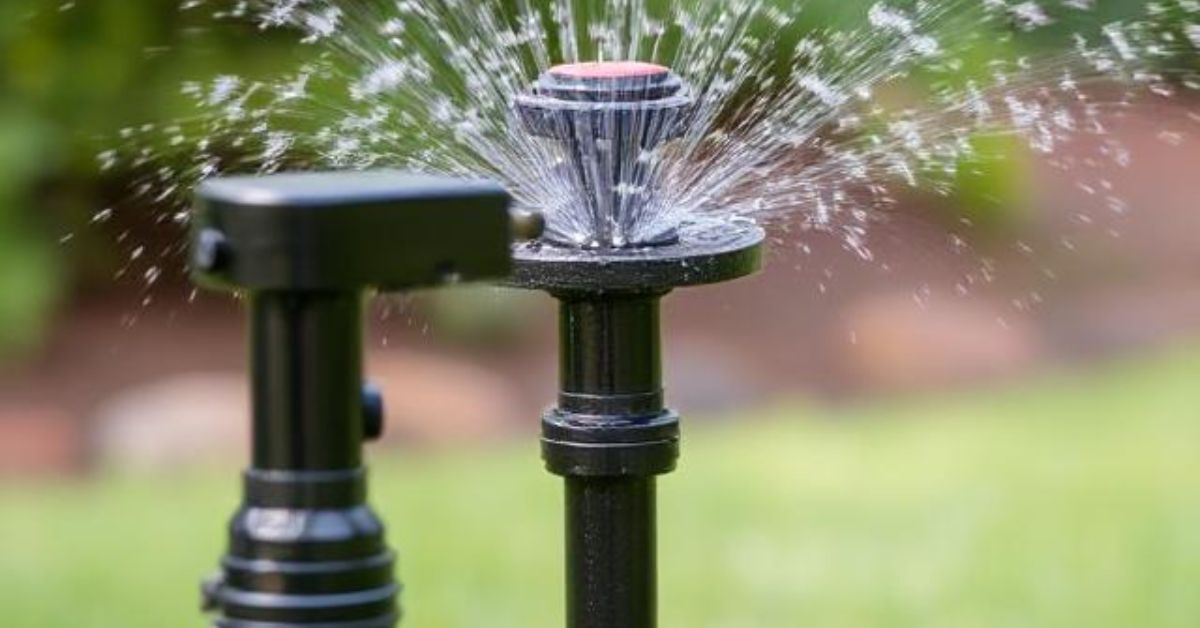
Adjusting a Rainbird sprinkler head is straightforward, but following each step carefully is essential to ensure proper water distribution. Here’s a detailed, step-by-step guide:
Step 1: Determine the Sprinkler Head Type
The first step is determining which type of Rainbird sprinkler head you have. Rainbird offers several types: fixed spray heads, rotor heads, and impact sprinklers. Knowing the type will help you understand the specific adjustments it needs.
Step 2: Check the Current Settings
Before making any adjustments, observe the current spray pattern. Check if the sprinkler covers the intended area or if water is wasted on sidewalks or driveways. What is Rapeseed It’s essential to know where adjustments are needed before making changes.
Step 3: Adjusting the Spray Arc
Locate the arc adjustment dial on your sprinkler head. This is typically found on top of the sprinkler.
- Turn the dial clockwise to reduce the arc (less water coverage).
- Turn the dial counterclockwise to increase the arc (more water coverage).
- This step lets you control the spray pattern—whether you need a narrow strip of water or a full 360-degree spray.
Step 4: Adjusting the Spray Distance
Next, locate the spray distance screw near the nozzle.
- Use a flathead screwdriver to turn the screw clockwise to shorten the spray distance.
- Turn it counterclockwise to increase the spray distance.
- Adjust the distance so the water reaches all necessary areas but doesn’t overspray onto paths or driveways.
Step 5: Test the Adjustments
After making the necessary adjustments, turn the sprinkler system back on and check the performance. Observe the spray coverage to ensure it’s hitting the correct areas. Fine-tune the arc and distance settings if needed until you achieve the desired results.Regularly check your sprinklers to ensure they maintain proper coverage and efficiency.
Troubleshooting Common Issues with Rainbird Sprinkler Heads
Even the best sprinkler systems can run into issues over time. Here are some common problems you may encounter with your Rainbird sprinkler head and simple solutions to resolve them:
Uneven Water Distribution
If your sprinkler isn’t distributing water evenly, What is Crop Rotation it could be due to incorrect arc settings or an obstructed nozzle.
Solution: Check the arc adjustment dial and reset it if necessary. Make sure there’s no debris blocking the nozzle. Clean the sprinkler head to prevent clogging.
Sprinkler Head Not Rotating (for Rotor Heads)
If your rotor sprinkler head isn’t rotating correctly, it’s likely caused by dirt or debris inside the nozzle or the mechanism.
Solution: Turn off the water and inspect the sprinkler head. Clean any dirt or obstruction that may be preventing it from rotating smoothly.
Low Water Pressure
Low water pressure can result in weak or inconsistent watering. This can happen if multiple sprinklers are operating simultaneously or if the system is leaking.
Solution: Check for leaks in the pipes or fittings. If multiple sprinklers are running, try adjusting the system to ensure the pressure is evenly distributed.
Sprinkler Head Won’t Pop Up
It might be stuck or blocked if your sprinkler head isn’t popping up.
Solution: Ensure the sprinkler is clean and free from soil or debris. Gently pull it up to check for any blockage and clear it out.
By addressing these common issues, how to Add Nitrogen to Soil your Rainbird sprinkler system will continue to operate efficiently, keeping your lawn healthy and hydrated.
Tips for Optimal Sprinkler Performance
To ensure your adjusting rain bird sprinkler heads operates at its best, here are some essential tips for optimal performance:
Regular Cleaning
Dirt and debris can clog sprinkler heads, leading to uneven water distribution. To keep the water flow consistent, clean the nozzles and filters regularly. Use a small brush or a soft cloth to remove any buildup.
Adjust for Seasonal Changes
As the seasons change, so do your watering needs. Your lawn may require more water in the summer, while it will need less in the fall and winter. Adjust the spray distance and arc settings to match the season’s water requirements, ensuring your lawn stays hydrated without wasting water.
Check for Leaks
Inspect your adjusting a sprinkler for leaks, leading to wasted water and higher utility bills. Look for areas where water is pooling, or sprinklers are not functioning as expected. Repair any leaks promptly to maintain efficiency.
Test Your System Regularly

Periodically test your adjusting rainbird sprinkler head to ensure they are covering the right areas. Adjust them to avoid over-spraying on sidewalks, driveways, or roads.
Schedule Watering Wisely
Water early or late in the evening to minimize evaporation and ensure your lawn gets the most benefit from each watering cycle.
By following these tips, Cover Crops your Rainbird sprinkler system will deliver consistent, efficient irrigation, helping your lawn thrive year-round.
Conclusion
Adjusting and maintaining your rainbird sprinkler adjustment ensures efficient irrigation and promotes a healthy, thriving lawn. Knowing the various sprinkler head types and their parts can help you make the necessary adjustments to optimize water coverage and avoid wastage. Regular maintenance, including cleaning the nozzles, inspecting for leaks, and fine-tuning the spray arc and distance, will help keep your sprinkler system running smoothly year-round. Remember, properly adjusting your sprinkler system doesn’t save water and money while ensuring your lawn receives the right amount of hydration. Whether you have a fixed spray, rotor, or impact sprinkler, each can be customized to fit your yard’s specific needs, providing maximum coverage with minimal effort.
By heeding the detailed instructions and troubleshooting advice, you’ll be able to easily handle common sprinkler issues. A well-maintained Rainbird sprinkler system will keep your landscape lush, vibrant, and healthy. Proper irrigation is key to a beautiful lawn, and with the right tools and knowledge, adjusting your adjust rainbird sprinkler heads becomes a simple task. Take care of your system, which will take care of your lawn for years.
FAQ
How To Fix a Sprinkler Head That Won’t Rotate?
- Disassemble the sprinkler head.
- Take off the filter at the bottom of the head.
- Rinse the filter in a bucket filled with clean water to wash out debris.
- If this doesn’t work you’ll need to have the sprinkler head replaced.
- If it does work, make sure the head is properly adjusted when you re-install it.
What Is The Best Spray Distance For Residential Lawns?
The best spray distance for residential lawns depends on the type of sprinkler system you are using. Here are common recommendations:
- Fixed Spray Heads: 5 to 15 feet
- Rotary Sprinklers: 15 to 50 feet
- Impact Sprinklers: 20 to 45 feet
- Drip Irrigation: Direct application near plant roots
To avoid dry spots and ensure optimal coverage, overlap spray patterns by about 30%. Also, ensure proper water pressure (30–50 PSI) and avoid overspray onto driveways or sidewalks.
How Do I Replace A Damaged Rainbird Sprinkler Head?
To replace a damaged Rain Bird sprinkler head, turn off the water supply and dig around the head to expose the riser. Unscrew the old head counterclockwise and clean the riser threads. If needed, wrap Teflon tape on the threads for a secure fit. Screw on the new sprinkler head, ensuring proper alignment. Turn the water back on to test the spray pattern. Adjust as necessary for optimal coverage. Refill the soil and compact it around the head.
